
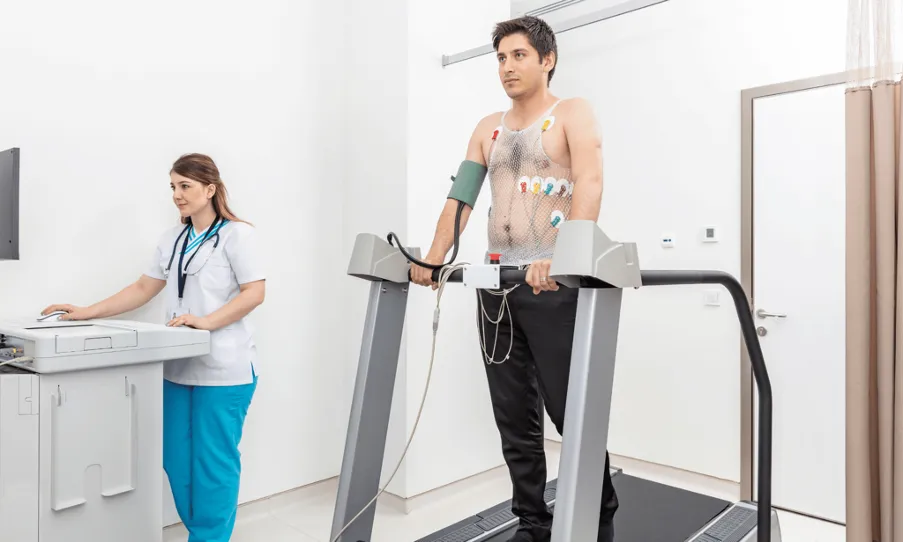
An exercise stress test is a commonly used diagnostic tool that evaluates how the heart performs during physical activity. By monitoring heart rate, blood pressure, breathing patterns, and electrical activity, an exercise stress test provides valuable insight into cardiovascular function under exertion. Physicians often recommend this assessment to detect potential heart conditions, assess treatment effectiveness, or determine safe activity levels for patients.
Early Detection of Heart Disease
An exercise stress test, such as a cardiac stress test, is an effective way to detect heart disease early, often before symptoms become severe. Many heart conditions remain silent until serious complications arise. A treadmill stress test can uncover blood flow issues to the heart muscle, indicating possible coronary artery disease. When your heart works harder during exercise, restricted blood flow areas become more noticeable. The exercise electrocardiogram records these changes, helping doctors identify blocked or narrowed arteries.
This test is especially beneficial for individuals with risk factors like high cholesterol, diabetes, or a family history of heart disease. It can also be valuable for diagnosing symptoms such as chest pain or shortness of breath during physical activity. By identifying the cause of these symptoms, the stress test helps create an effective treatment plan to improve heart health.
Accurate Risk Assessment & Diagnosis
A cardiovascular stress test provides precise data about your heart. It shows your risk for future cardiac problems. Your doctor can see how much exertion your heart can handle. This information helps shape treatment and lifestyle suggestions. The test measures several key indicators at once. Your heart rate, blood pressure, and ECG patterns are all checked.
This diagnostic tool also helps identify different heart conditions. For example, your symptoms could be from coronary artery disease. They might also stem from heart rhythm issues. The stress test results help your healthcare team make an accurate diagnosis. This helps you get the right treatment for your specific condition.
Treatment Planning & Monitoring Progress
Once you have a diagnosis, the exercise ECG test helps plan your treatment. It also tracks how well the treatment works. Your cardiologist uses the results to set safe exercise limits. They will design a cardiac rehab program just for you. The test helps decide if medication is enough. It can also show if you need other interventions.
Regular stress testing allows your doctor to monitor your progress. Repeat tests show if your treatment is effective. They also reveal if your heart function has improved. This ongoing assessment helps keep your care plan on track. Your doctor can make adjustments to your treatment when necessary.
Preventive Health & Long-Term Management
An exercise stress test is key to preventive care and long-term heart health. For those without heart disease, it creates a baseline for future reference. The test can also spot subtle changes that may become problems later. It helps athletes and new exercisers confirm their hearts can handle physical stress. This provides guidance on exercise intensity, helping you stay active safely.
For people with existing heart conditions, regular stress testing is key. It helps catch any decline in heart function early. This allows for timely intervention before symptoms get worse. This proactive method helps you maintain a good quality of life. It is a key part of managing your long-term cardiac health.
Schedule Your Exercise Stress Test
Exercise tolerance tests offer a straightforward way to assess your cardiovascular health and catch problems early. Whether you have symptoms, risk factors, or simply want to better understand your heart function, schedule an exercise stress test at a center near you today. This test allows you to undergo an evaluation that provides valuable information to shape your care, thereby improving your heart’s health for years to come.

Cataracts cause clouding in the lens of the eye, and [...]
Epidural steroid injections are a medical treatment for specific types [...]

Untreated OCD (Obsessive-Compulsive Disorder) at work is rarely obvious in [...]
The digestive system is responsible for converting food into the [...]

Custom orthotics offer a scientifically-backed solution for addressing biomechanical inefficiencies [...]

Substance abuse disorders remain a major concern, impacting individuals, families, [...]
General dentists manage a wide spectrum of oral health needs [...]

Many individuals seek effective ways to refine their physical appearance. [...]