

Varicose veins are swollen, twisted veins that typically appear in the legs. They develop when the small valves inside the veins stop working correctly. This malfunction allows blood to flow backward and pool, leading to vein enlargement. Many people experience discomfort, heaviness, or aching in the affected areas. While medical procedures effectively remove or close these veins, many individuals also seek non-invasive options. You can manage symptoms through lifestyle changes, but medical treatments are available if natural methods do not provide relief.
Lifestyle and Dietary Remedies
Your daily habits play a significant role in vein health, and regular physical activity is one of the best ways to improve blood circulation in the legs. Low-impact exercises like walking, swimming, and cycling are particularly beneficial. These activities engage the calf muscles, which act as a pump to push blood back up toward the heart.
Maintaining a healthy weight is key for reducing the load on your legs. Excess body weight adds pressure to the veins, which can worsen varicose veins. Regular exercise improves circulation in the legs, and it helps lower overall blood pressure. Eating a balanced diet full of fresh fruits and vegetables supports this goal. Foods rich in flavonoids, such as berries and citrus, may also help improve blood circulation.
Herbal and Topical Remedies
Various herbal remedies are often suggested for managing vein health. Horse chestnut extract is a common dietary supplement used for chronic venous insufficiency, and some evidence suggests it may help reduce leg pain and swelling. Grape seed extract is another supplement that contains antioxidants. These compounds might help protect blood vessels and prevent inflammation.
Topical applications can also provide temporary relief from discomfort. Essential oils, such as lavender or rosemary, are sometimes used in massage. Mix any essential oils with a carrier oil like olive or almond oil first. A gentle massage can help move blood through the veins, but avoid applying deep pressure directly on varicose veins.
It is critical to approach these remedies with caution. You can try these natural remedies at home, but you should discuss new supplements with a doctor. Herbal supplements can interact with prescription medications and may not be safe for everyone. A medical professional can review your health history to determine if these options are safe for you.
Supportive Measures for Varicose Veins
Mechanical support can significantly improve comfort levels. Compression stockings are the most common supportive measure for varicose veins. These specialized socks squeeze the legs firmly. The pressure is strongest at the ankle and gradually decreases up the leg. Compression stockings apply gentle pressure to the legs, so they help blood flow back toward the heart. This prevents blood from pooling and reduces swelling.
Elevating your legs is another simple but effective strategy. Try raising your legs above your heart for 15 minutes at a time. Do this three or four times a day. This position uses gravity to help blood drain from the legs, and it can be particularly helpful after a long day of standing or sitting.
Clothing choices also matter; avoid tight clothing around your waist, groin, or legs. Tight garments can restrict blood flow and worsen varicose veins. Try not to stay in one position for too long. If your job requires sitting, take breaks to walk around. If you must stand, shift your weight frequently.
Consult with a Specialist Today
Natural remedies can help manage symptoms and prevent worsening of conditions. They cannot repair damaged valves or remove existing varicose veins. If you experience persistent pain or skin changes, professional medical intervention is necessary. Modern medical treatments are often minimally invasive and have short recovery times. A vein specialist can provide a comprehensive evaluation of your condition, and they use ultrasound technology to evaluate the blood flow in your legs. This helps them recommend the most appropriate treatment plan. Do not let vein issues limit your daily activities. Seek expert advice to understand your long-term relief options.
Cataracts cause clouding in the lens of the eye, and [...]
Epidural steroid injections are a medical treatment for specific types [...]

Untreated OCD (Obsessive-Compulsive Disorder) at work is rarely obvious in [...]
The digestive system is responsible for converting food into the [...]

Custom orthotics offer a scientifically-backed solution for addressing biomechanical inefficiencies [...]

Substance abuse disorders remain a major concern, impacting individuals, families, [...]
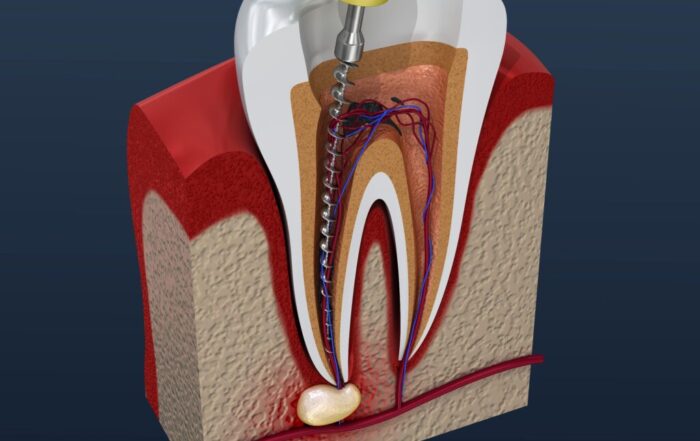
General dentists manage a wide spectrum of oral health needs [...]
Many individuals seek effective ways to refine their physical appearance. [...]