
Living with migraines is challenging. Understanding available treatments is a key first step. There are many ways to manage migraine symptoms, so exploring your options is helpful. Consult a healthcare professional before starting any treatment.
Approaches to a New Lifestyle
Make changes at home to help manage migraines. Adjustments include maintaining a consistent sleep schedule, staying hydrated, and identifying dietary triggers that trigger an attack. Regular exercise reduces stress, but start slowly to avoid symptoms. Physical therapy addresses underlying neck or back issues. A physical therapist teaches stretches or strengthening exercises to improve posture and reduce tension headaches. Since chiropractic care focuses on spinal alignment, it can provide relief for individuals with migraines related to neck tension. Your chiropractor may perform manual adjustments to improve spinal function and advise on workspace ergonomics. These physical approaches aim to reduce the frequency of attacks and empower you to take an active role in your care.
Medications for Headaches
You can choose from several medications for migraines. Nonsteroidal anti-inflammatory drugs (NSAIDs) reduce pain. Common over-the-counter options like ibuprofen or naproxen are the first line of defense; stronger prescription versions are available if needed. Other pain medications are sometimes used. Some patients find relief with simple analgesics, while others require combination drugs that include caffeine or other compounds to boost effectiveness. For frequent attacks, disease-specific medications target migraine pathways and help prevent future episodes. These include triptans, which are taken at the onset of pain, or newer CGRP inhibitors that block proteins associated with migraine inflammation. Preventive medications are taken daily to reduce the severity and frequency of headaches over time. Discussing your medication history with a doctor helps identify the safest and most effective pharmaceutical strategy for your specific condition.
Procedures for Chronic Migraines
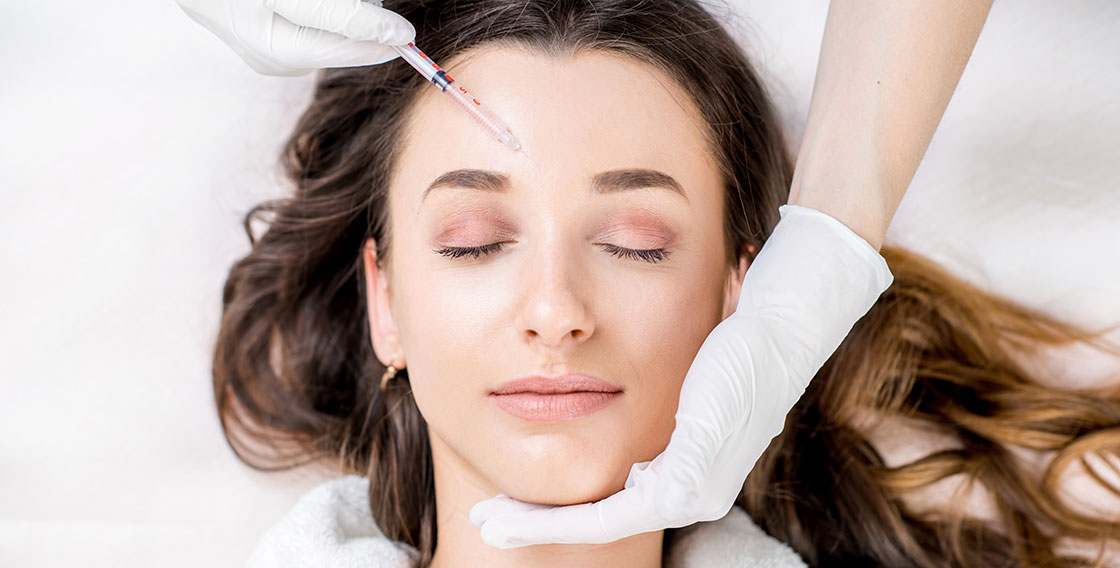
Some people experience chronic migraines. For these cases, specific procedures are chosen. You can consider Botox injections when other treatments have not worked. This treatment uses injections around the head and neck to dull future headache symptoms. The FDA has approved it for chronic migraine sufferers. Nerve blocks provide temporary relief, and they are administered by a specialist. In this procedure, a provider injects a local anesthetic near a specific nerve or group of nerves to block pain signals and provide a reprieve from intense pain cycles.
Radiofrequency ablation is another procedure, and it uses heat to target specific nerves and reduce pain signals. Because his technique targets nerves that transmit pain, it provides longer-lasting relief than some injections. These interventional procedures are reserved for more severe cases and offer hope for those who have not found success with standard medication. There are many available options.
Make an Appointment
While medical treatments are a part of managing migraines, lifestyle adjustments can also play a role in reducing the frequency and severity of attacks. Maintaining a consistent sleep schedule, staying hydrated, and eating balanced meals are foundational habits that can help stabilize your body’s internal rhythms. Managing migraines is a personal journey. There are many treatment paths to explore. Discuss these options with your doctor and create a plan that works best for your specific needs.

Cataracts cause clouding in the lens of the eye, and [...]

Epidural steroid injections are a medical treatment for specific types [...]

Untreated OCD (Obsessive-Compulsive Disorder) at work is rarely obvious in [...]

The digestive system is responsible for converting food into the [...]

Custom orthotics offer a scientifically-backed solution for addressing biomechanical inefficiencies [...]

Substance abuse disorders remain a major concern, impacting individuals, families, [...]
General dentists manage a wide spectrum of oral health needs [...]

Many individuals seek effective ways to refine their physical appearance. [...]