

Neurologists are medical doctors who specialize in the nervous system, and they diagnose and treat disorders of the brain, spinal cord, nerves, and muscles. When a person faces complex health issues in these areas, a neurologist helps identify the root cause and provides a management plan. Here is more information about the role of neurologists in treating complex conditions:
Evaluating Combined Symptoms
A primary function of a neurologist is to assess a wide range of symptoms. Since the nervous system connects to every part of the body, symptoms may appear unrelated at first glance. The neurologist performs a detailed examination, and they may order specific tests to gather more information. A physical exam typically includes testing strength, sensation, and reflexes.
Tailoring Treatment Plans
After a diagnosis is made, a neurologist develops a personalized treatment plan. This plan is designed around your specific condition and needs. The approach might include medications, therapies, or lifestyle adjustments to manage symptoms and improve your quality of life. The neurologist explains the available options, and you work together to decide on the best course of action.
Treatment plans are not static; they require ongoing adjustments. Your neurologist will monitor your progress during follow-up appointments. Based on how you respond to treatment, they may modify your plan to better support your health goals. Open communication helps your neurologist understand what is working for you.
Managing Immediate Emergencies
In some situations, neurological conditions present as medical emergencies. Neurologists play a direct role in managing these urgent events. They work in hospitals to provide immediate care for conditions that require fast intervention, and these situations include:
- Acute strokes
- Sudden, severe headaches
- Debilitating seizures
- Spinal cord injuries
Providing Long-term Care
Many neurological disorders are chronic, meaning they require ongoing management over many years. A neurologist provides continuous care to help you navigate the challenges of a long-term condition; this support involves regular check-ups, medication management, and monitoring for any changes in your health. Because these conditions often evolve, your neurologist will adapt your care plan over time.
For chronic conditions like epilepsy or multiple sclerosis, the neurologist coordinates with other healthcare providers. This team-based approach provides comprehensive support for your overall well-being. The neurologist acts as a central point of contact, helping you manage various aspects of your health. Your specialist guides you through the process, and they offer resources to help you live well with your condition.
Neurologists are skilled in diagnosing a wide range of conditions, from migraines to neurodegenerative diseases. They may use advanced diagnostic tools, such as MRI scans and EEGs, to better understand your symptoms and determine the best course of treatment. While treatment plans can vary based on individual needs, they involve a combination of medication, therapy, and lifestyle changes to improve quality of life.
Find Neurologists Near You
Neurologists offer specialized knowledge for conditions affecting the brain and nervous system. They diagnose complex problems, create treatment plans, and provide long-term support, and their guidance is a key part of navigating your health. If you are experiencing unexplained neurological symptoms, seeking an evaluation is a proactive step. Schedule an appointment with a neurology clinic to get answers and support.
- Understanding the Role of Neurologists in Treating Complex Conditions
- Integrating Lifestyle Changes into Your Pain Management Plan
- The Benefits of Family Practice in Treating Common Illnesses
- Urgent Care for Non-Life-Threatening Conditions
- The Role of Geriatric Care in Enhancing Quality of Life for Seniors

Neurologists are medical doctors who specialize in the nervous system, [...]

Effective pain management often requires practical lifestyle changes that support [...]

Family practice provides comprehensive care for common illnesses that affects [...]
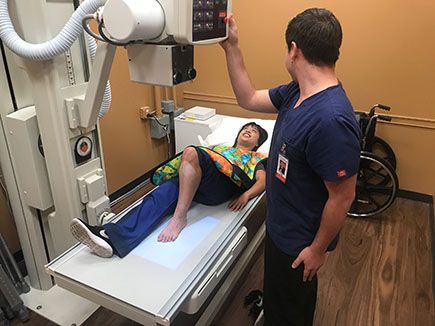
Urgent care centers bridge the gap between primary care physicians [...]

Geriatric care focuses on the unique medical, functional, and social [...]

Cerebral palsy represents a group of disorders that affect a [...]

Managing hand and wrist pain can benefit from a diverse [...]

An urgent care center provides immediate medical attention for conditions [...]

