

PTSD (post-traumatic stress disorder) is a complex mental health condition that develops after exposure to traumatic events, significantly affecting emotional stability and cognitive function. While some symptoms may emerge immediately, others persist or intensify over time, influencing relationships, work performance, and overall well-being. The long-term effects of PTSD include chronic anxiety, depression, sleep disturbances, and difficulty regulating stress responses.
Persistent Emotional & Psychological Symptoms
PTSD takes an increasing emotional toll over time. You may notice feelings of fear, anger, or sadness that seem overwhelming or out of proportion to daily situations. These emotions often become harder to manage over time. Many individuals with long-term PTSD feel emotionally numb or disconnected from loved ones, a protective response developed by the brain to cope with high stress.
Chronic PTSD is often accompanied by depression and anxiety. Research indicates that untreated PTSD significantly increases the risk of developing major depressive disorder. The constant state of hypervigilance and intrusive memories drains emotional energy. This makes it challenging to enjoy activities that once brought happiness or comfort.
Cognitive & Behavioral Changes
PTSD changes how your brain processes information. You might notice issues with concentration, memory, and decision-making. These challenges occur because the fear part of your brain stays overactive. This makes the thinking and memory areas less effective. Negative thoughts often take root. You might believe the world is dangerous or that you can’t trust anyone, and these automatic thoughts limit your life.
Substance use is another common behavioral change with long-term PTSD. Alcohol or drugs might offer temporary relief from symptoms, but they ultimately make the problem worse and sometimes lead to addiction. This creates another challenge needing treatment alongside PTSD therapy.
Physical & Stress-Related Complications
The effects of PTSD extend beyond your mental state. Chronic stress keeps your body on high alert. It floods your system with stress hormones like cortisol and adrenaline. Over time, this takes a serious toll. People with long-standing PTSD often have chronic pain, headaches, and digestive issues. Your immune system may weaken, leading to more frequent illness.
Cardiovascular issues are also more common with untreated post-traumatic stress. Studies show higher rates of high blood pressure, heart disease, and stroke. This is because your stress response system is always active. It puts a strain on your heart and blood vessels that builds up over time. Addressing these physical symptoms is a key part of managing long-term PTSD.
Relationship & Social Functioning Challenges
PTSD sometimes deeply affects your connections with others. Hypervigilance and irritability may make it hard to maintain healthy relationships. You might snap at loved ones or withdraw during key moments. Communicating your needs effectively can become a struggle. Trust issues often worsen over time. This is especially true if your trauma involved betrayal. You may find it hard to form new relationships, leading to social isolation.
Family and friends may not understand what you are going through, creating more tension. Children of parents with PTSD might face their own emotional issues. This creates a cycle that affects future generations. Your work life will also be impacted. You may have trouble concentrating or often miss work. Interpersonal conflicts can affect your career and financial stability.
Book PTSD Treatment Appointment
The long-term effects of living with PTSD are overwhelming, but effective treatments exist. Whether you’ve been struggling for months or years, seek professional support for a meaningful difference. This includes modern and innovative treatment options, such as Magnetic e-Resonance Therapy (MeRT®).
If you want to explore one of these effective treatment options, reach out to a mental health professional who specializes in trauma. They will offer you personalized treatment plans designed to address the root causes of your symptoms.

IV infusion therapy is a medical treatment that delivers fluids, [...]

Workplace stress may be a common experience for employees across [...]

PTSD (post-traumatic stress disorder) is a complex mental health condition [...]

Back pain affects millions of people, and it can significantly [...]
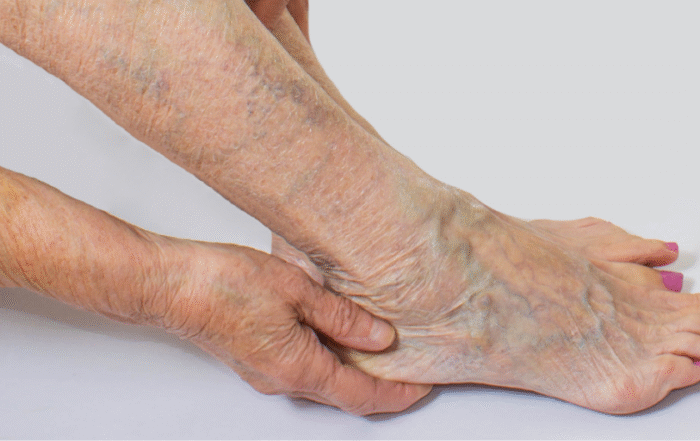
Varicose veins occur when small valves in your blood vessels [...]

Cardiac catheterization is a procedure doctors use to diagnose and [...]

Chronic pain and sleep disturbances often occur together, especially in [...]

Neurology is the branch of medicine that treats disorders of [...]