
Moles are skin growths, and they appear when pigment-producing cells in the skin grow in a cluster instead of being spread throughout the skin. While most are harmless, it is good practice to be aware of them. Monitoring spots on your body is a part of maintaining your skin health. Here is more information about the different types of moles you may encounter:
Congenital Moles
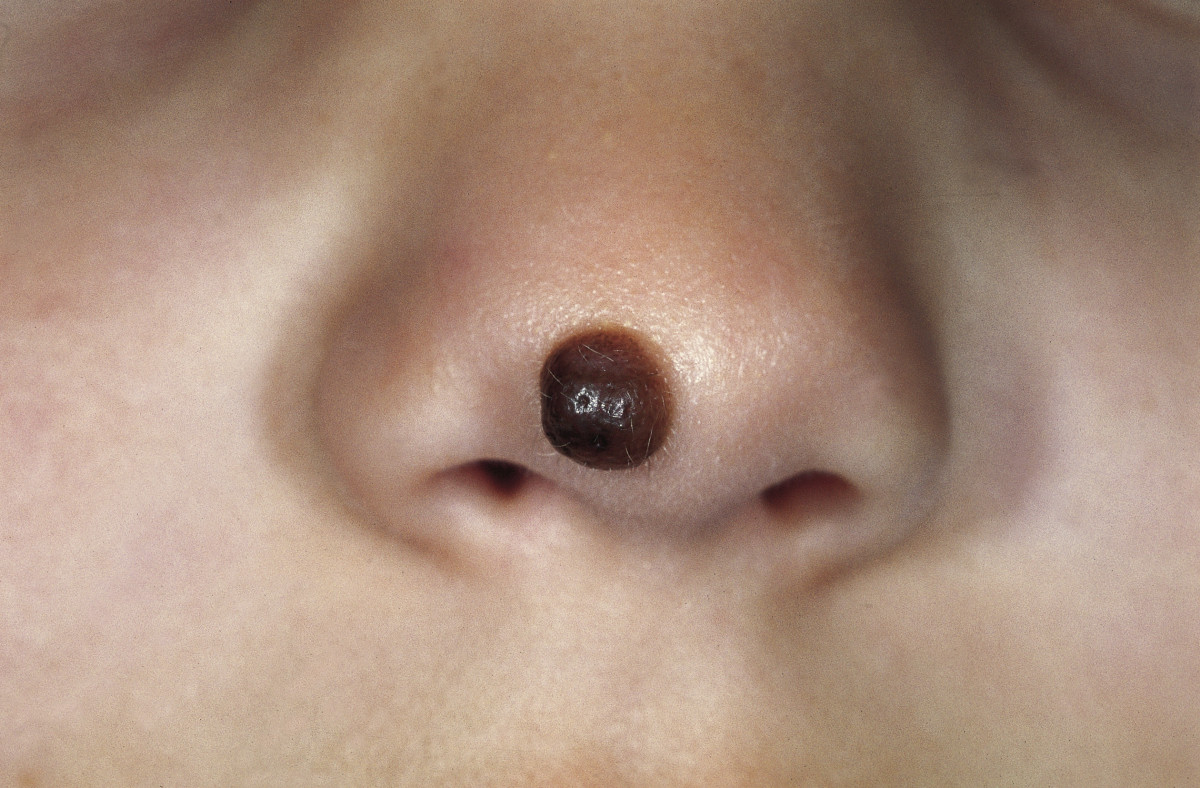
Congenital moles are present at birth or appear within the first year of life. Their size can vary significantly. While some are small, others cover large areas of the skin, so you notice them right away. These are also called congenital nevi, and they can occur in newborns.
The appearance of congenital moles differs from person to person. While some are flat and light brown, others are raised and darker in color. Some may have hair growing from them. The texture might be smooth, or it could feel bumpy to the touch. Their characteristics are diverse, but they typically remain stable over many years.
While most congenital moles pose no risk to your health, some types may have a higher chance of developing into skin cancer later in life. A dermatologist can assess any congenital spots, and they can provide information about them. Regular skin checks help you keep track of any changes.
New Moles
New spots may appear during childhood and young adulthood, and your skin develops these moles when cells grow in clusters. Sun exposure may be a major factor in the development of new growths. Many new moles are benign and not necessarily a cause for concern. They may appear as small, brown spots and remain unchanged for years, and people with lighter skin tones may develop more. It is normal to develop new ones until adulthood.
Irregular Moles
Irregular spots, or dysplastic nevi, have an unusual appearance. These moles are typically asymmetrical, and their borders can be poorly defined. You might notice them because they look different from the other moles on your skin. A practical way to remember warning signs is to use the ABCDE guide:
- Asymmetry: One half does not match the other.
- Border: The edges are irregular or blurred.
- Color: The color is not uniform.
- Diameter: The mole is larger than a pencil eraser.
- Evolving: The mole changes in size, shape, or color.
Understanding the different types of moles helps you stay informed about your skin. From congenital spots present at birth to new or irregular ones that develop over time, each has distinct features. Being familiar with your own skin is a practical step in managing your health and determining if any skin changes pose a danger.
Get Moles Checked Today
Monitoring for any changes in spots on your skin is a straightforward process. If you notice a new mole or see changes in an existing one, scheduling an appointment with a dermatologist can provide you with clarity and a treatment plan. A professional can examine your skin and offer personalized guidance. Contact a dermatologist today to schedule your skin check.

Weight loss is often a complex process that involves more [...]
Menopause marks the permanent end of menstrual periods and fertility, [...]

Mental healthcare services focus on improving emotional and psychological well-being. [...]
Geriatric healthcare focuses on promoting and managing the health of [...]
A retinal detachment diagnosis can be concerning. If this has [...]

Musculoskeletal chest pain refers to discomfort originating in the muscles, [...]

Prenatal care is the ongoing medical support provided during pregnancy [...]

An oral surgeon, or a maxillofacial surgeon, is a dental [...]