

Headaches are common. Few people understand the differences between them, and symptoms often overlap. Doctors perform a thorough evaluation to find the exact cause. This step precedes treatment planning because it guides decisions. Once a diagnosis is reached, providers can offer targeted therapies for your specific pain. Understanding headache symptoms allows treatment to be tailored for each individual. Timely medical attention can address health concerns linked to recurring headaches.
Tension Headaches and Muscle Pain
Tension headaches are common. They often cause a dull pain on both sides of the head, and may feel like a tight band. Stress or poor posture can trigger these headaches, so people who work at desks may notice them more. Understanding your daily habits provides clues for managing symptoms.
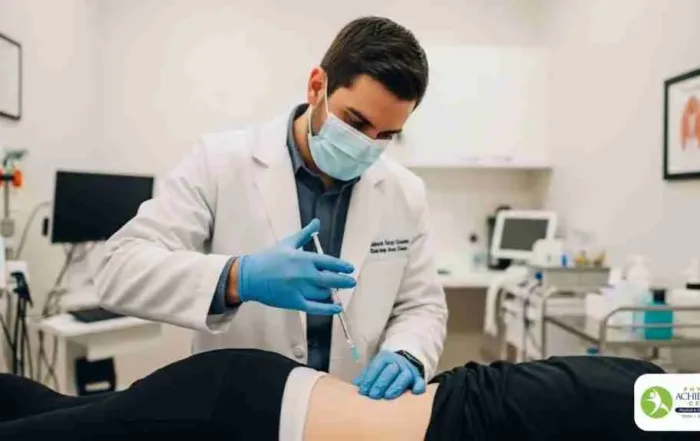
Therapists improve posture and strengthen neck muscles, so future attacks are less frequent. For immediate relief, providers might suggest trigger point injections. These injections target knots that refer pain to the head, and this approach often brings rapid relief. Combining physical therapy with injections may yield better results.
Migraines and Chronic Pain Management
Migraines are severe headaches. The pain is usually throbbing and on one side of the head, but it can shift sides. Nausea and sensitivity to light are common, so many patients retreat to a dark room until the episode passes. Attacks may last a few hours or even days. Keeping a diary of triggers, such as foods or sleep changes, can help guide management.
Botox for migraines is a preventative option for chronic cases. Injections around the head and neck dull future pain signals, and patients often see fewer headache days after several cycles. Another therapy is nerve blocks. A doctor injects anesthetic and steroid around the occipital nerves at the back of the head, which interrupts pain signals to the brain. Both treatments can be outpatient and not require hospital admission. Physicians tailor these procedures to each patient’s headache pattern and history.
Some patients need IV therapy. These infusions deliver fluids and medications directly into the bloodstream, bypassing digestion for faster relief during an attack. Other clinics offer TMS for patients with complex neurological or mood conditions, and these therapies are given under supervision. Medical teams evaluate and adjust treatments to aid safety and comfort.
Diagnostic Tools and Specialized Care
Sometimes a headache signals a more complex condition. If a doctor suspects nerve damage or electrical issues, they order diagnostic tests. EEG testing monitors electrical activity and can rule out seizures or other anomalies. These tools help distinguish between primary headache disorders and those from other causes. Using these resources can also expedite diagnosis and guide care.
Concussions need careful monitoring. A concussion is a brain injury that can cause lingering headaches and dizziness if not managed well. Doctors may assess inner ear function when balance issues are present. Testing shows how the nervous system regulates blood pressure, which helps if headaches occur when standing. Rarely, a skin biopsy is needed for small nerve fibers. Physicians coordinate these tests to complete assessment. Early detection and accurate testing support better interventions.
Schedule Your Evaluation Today
Finding relief starts with an accurate diagnosis and a personalized plan. Modern medicine offers many solutions, but you should seek an evaluation to discuss your symptoms, so our team can find the right path for you. Do not wait for the pain to worsen. Book your appointment and start better headache management today.

Therapy is a structured medical treatment designed to manage various [...]

Cataracts cause clouding in the lens of the eye, and [...]
Epidural steroid injections are a medical treatment for specific types [...]

Untreated OCD (Obsessive-Compulsive Disorder) at work is rarely obvious in [...]

The digestive system is responsible for converting food into the [...]

Custom orthotics offer a scientifically-backed solution for addressing biomechanical inefficiencies [...]

Substance abuse disorders remain a major concern, impacting individuals, families, [...]
General dentists manage a wide spectrum of oral health needs [...]