
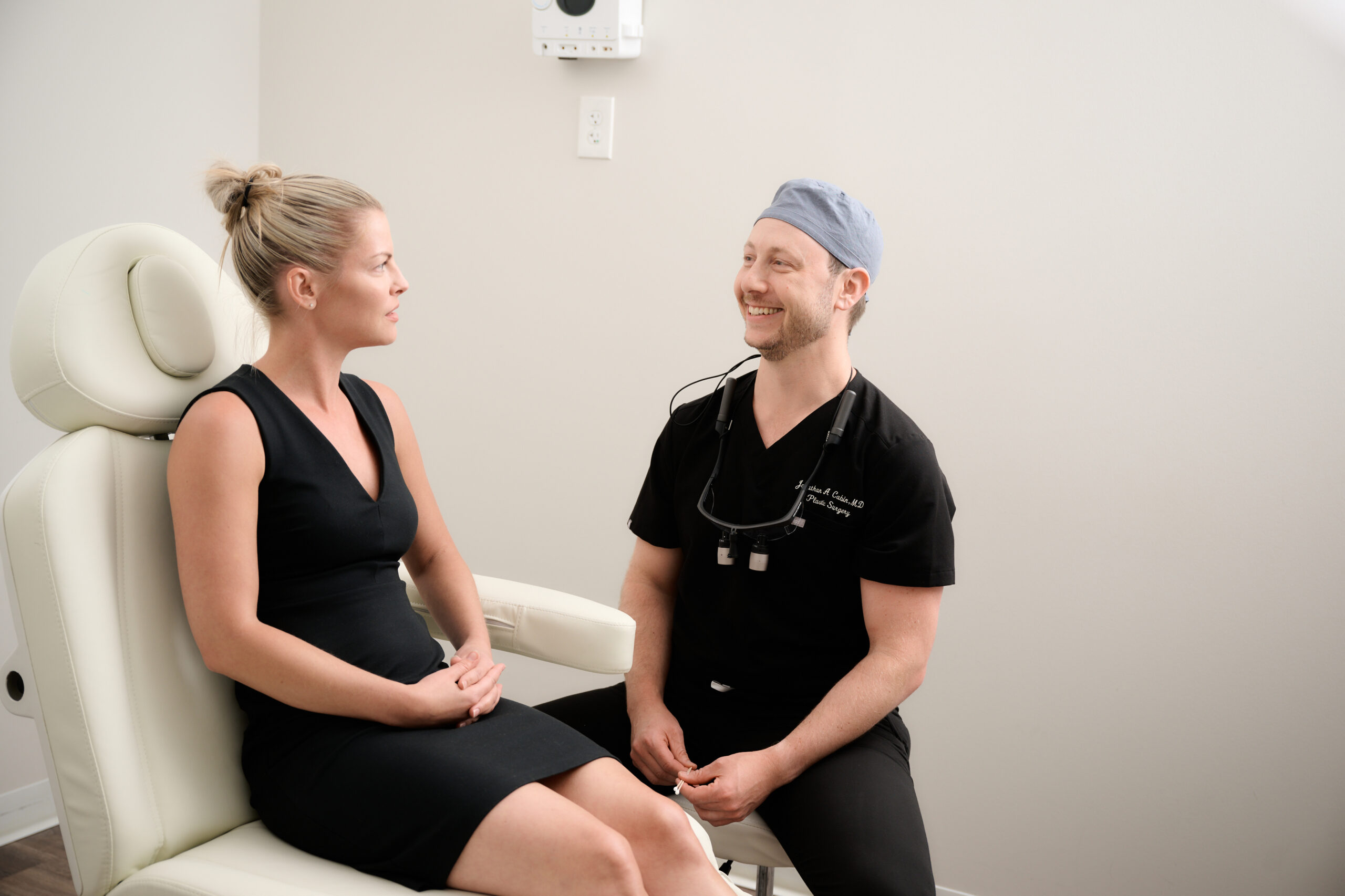
A successful outcome often starts well before the procedure itself, and the consultation is one of the fundamental steps in choosing plastic surgery. This appointment allows patients to discuss goals, review medical history, and understand which options may be appropriate based on anatomy and realistic expectations. Here is more information on what to expect during a plastic surgery consultation:
Preparing for Your Consultation
Proper preparation for your plastic surgery consultation allows the surgeon to understand your medical background and your aesthetic desires. Taking time to organize your thoughts and necessary documents helps the appointment run smoothly and efficiently. You should take action on the following before you arrive at the clinic:
- Compile your medical history: Write down a complete list of past surgeries, current medical conditions, and any allergies you have.
- List current medications: Include all prescription drugs, over-the-counter medications, and herbal supplements you currently take.
- Gather reference photos: Find images that represent your aesthetic goals to show the surgeon what you hope to achieve.
- Write down your questions: Create a list of concerns regarding recovery time, scarring, and surgical techniques.
Completing these steps helps the surgeon assess your candidacy for aesthetic surgery and creates a productive dialogue.
Walking Through the Visit
A consultation for aesthetic surgery serves as a comprehensive evaluation of your physical health and cosmetic goals. The appointment for plastic surgery generally includes these specific components:
- Physical examination: The surgeon examines the area of your body you wish to address, such as the face, breast, or abdomen.
- Discussion of techniques: The doctor explains the specific procedures available, such as facelifts, rhinoplasty, and body contouring.
- Review of risks and recovery: The medical team outlines the potential complications and the expected downtime associated with the procedure.
The interaction makes sure that you and the doctor agree on the intended results and the medical plan.
Planning for Safety
Patient safety remains the primary focus of any reputable medical practice during the consultation phase. A board-certified surgeon reviews your complete medical history to identify conditions that may complicate surgery or recovery. The surgeon also explains the potential risks associated with the specific plastic surgery you desire. Every surgical procedure carries inherent risks, including infection, unfavorable scarring, and anesthesia-related complications. Understanding these possibilities allows you to make an informed choice about your body and long-term health.
Transparency regarding recovery times and physical limitations is fundamental to the planning phase. The medical team provides detailed instructions on how to manage the healing process safely and what signs to watch for. This helps you determine whether you can commit to the required downtime and post-operative care.
Making Your Decision
The decision-making process continues after you leave the surgeon’s office and return home. You should carefully review the surgical plan and the surgeon’s credentials to make sure they meet your standards. Take time to reflect on the communication style and professionalism of the surgeon and their staff. A trusting relationship between patient and doctor is a key element of a successful aesthetic surgery experience.
Schedule Your Plastic Surgery Appointment Today
Making an informed decision about plastic surgery requires careful assessment of multiple factors. Research your options, evaluate the surgeon’s credentials and experience, and review their portfolio to make sure their style aligns with your goals. Contact a certified plastic surgeon near you to schedule your aesthetic surgery appointment today.
- Finding the Right Bioidentical Hormone Specialist for Your Needs
- The Benefits of a Comprehensive Sports Medicine Approach
- Innovative Techniques in Pain Management
- Dietary Considerations To Support Heart Health in Congestive Heart Failure
- Understanding the Consultation Process for Plastic Surgery Procedures
Bioidentical hormone replacement therapy (BHRT) addresses hormonal imbalances using compounds [...]

Sports medicine is a branch of healthcare dedicated to improving [...]
Chronic discomfort requires specialized medical intervention. Acute symptoms typically resolve [...]
Congestive heart failure (CHF) is a chronic progressive condition that [...]
A successful outcome often starts well before the procedure itself, [...]

Missing teeth can affect your ability to chew and speak [...]
Refractive errors are very common, necessitating the use of eyeglasses [...]
Lasik is a vision correction procedure to reduce dependence on [...]