

Sciatica refers to pain that radiates along the path of the sciatic nerve, which branches from your lower back, through your hips, and down each leg. Sciatic pain may be accompanied by burning or tingling sensations. True sciatica affects only one side of your body, and it can cause pain ranging from mild to severe. Some individuals describe their pain as a sudden jolt or electric shock. Here’s more information on sciatica and what treatments are available to manage pain symptoms:
Regenerative Medicine Treatments
Sciatica typically occurs when the sciatic nerve becomes pinched, usually by a herniated disk in the spine or by a bone spur overgrowth on the vertebrae. More rarely, the nerve can be compressed by a tumor or damaged by a health condition like diabetes. Risk factors that may increase the likelihood of developing sciatica include age-related changes, obesity, and a sedentary lifestyle.
How Is Sciatica Diagnosed?
A medical provider usually diagnoses sciatica through a combination of medical history review and a physical examination. During the physical exam, the doctor will assess muscle strength and reflexes to determine whether pain is triggered by specific movements. A physical exam is often sufficient, but doctors may order imaging tests like X-rays, MRIs, or CT scans for more information. When pain is severe or does not improve with initial treatment, advanced interventions may be recommended.
How Do Regenerative Therapies Work?
Regenerative medicine aims to support the body’s natural healing processes, and regenerative therapies are often used as part of a broader comprehensive plan. Regenerative therapies target the underlying source of pain to reduce symptoms. Here are two common regenerative therapy options:
- Platelet-rich Plasma (PRP) Therapy: This involves concentrating platelets from a patient’s own blood and injecting them into the injured area. These platelets release growth factors that may aid tissue repair and reduce inflammation around the sciatic nerve.
- Stem Cell Therapy: This approach uses stem cells that can differentiate into various cell types. When introduced into the affected area, these cells may help regenerate damaged tissue within the spinal discs or joints. Stem cell therapy helps alleviate the compression that contributes to sciatic pain for many individuals.
Injection Therapy for Pain
Injection therapies provide a minimally invasive option to manage inflammation and pain for many people with sciatic discomfort. Epidural steroid injections are a common treatment where corticosteroids are injected into the epidural space around the spinal cord. This medication acts as a potent anti-inflammatory agent, reducing swelling around the irritated nerve roots. Reducing inflammation relieves pressure on the nerve, which may reduce pain and allow better participation in physical therapy. Transforaminal epidural injections are a more targeted form of therapy, which are injected near the nerve root near the spine.
Advanced Interventions
When conservative treatments fail to provide relief, specialists may recommend advanced interventional procedures. Nerve blocks serve diagnostic and therapeutic purposes, commonly providing temporary pain management. A provider injects an anesthetic near specific nerves to interrupt pain signals, and if the patient experiences immediate relief, it confirms which nerve is causing pain.
Another intervention is radiofrequency ablation (RFA), a procedure that uses radio waves to generate heat. This heat is applied to specific nerves to temporarily disable their ability to transmit pain signals to the brain. Once the source of the pain is confirmed, an RFA may be done to relieve lasting chronic pain.
A spinal cord stimulation procedure involves the implantation of a small device that delivers mild electrical pulses. These pulses interfere with the transmission of pain signals to the brain, using electrical impulses to interrupt spinal cord or specific nerve signals. During treatment, the patient may feel the electrical stimulation, but it creates a mild tingling sensation rather than pain.
Contact a Sciatica Pain Specialist
Living with sciatic pain is challenging, but a specialist can assess your condition and address your symptoms. Early intervention and a proper diagnosis are key to creating an effective management plan for your needs. To learn more pain management options, contact a pain specialist to schedule a consultation today.

Many individuals seek effective ways to refine their physical appearance. [...]

Orthodontics for children can help address issues like underbites, overcrowding, [...]

Choosing the right orthopedic clinic is a fundamental step for [...]

Sciatica refers to pain that radiates along the path of [...]

Recovering after a stroke often requires time, structured rehabilitation, and [...]
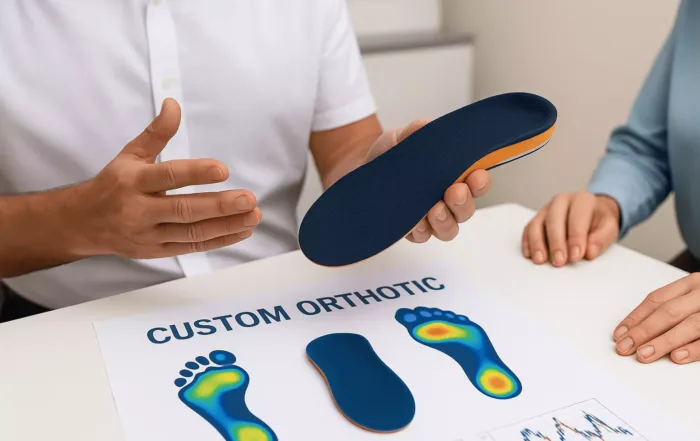
Orthotics act as specialized inserts, and you place them inside [...]

Lactation consultants help families before and after birth. They answer [...]

Family medicine provides comprehensive healthcare for individuals and families across [...]