
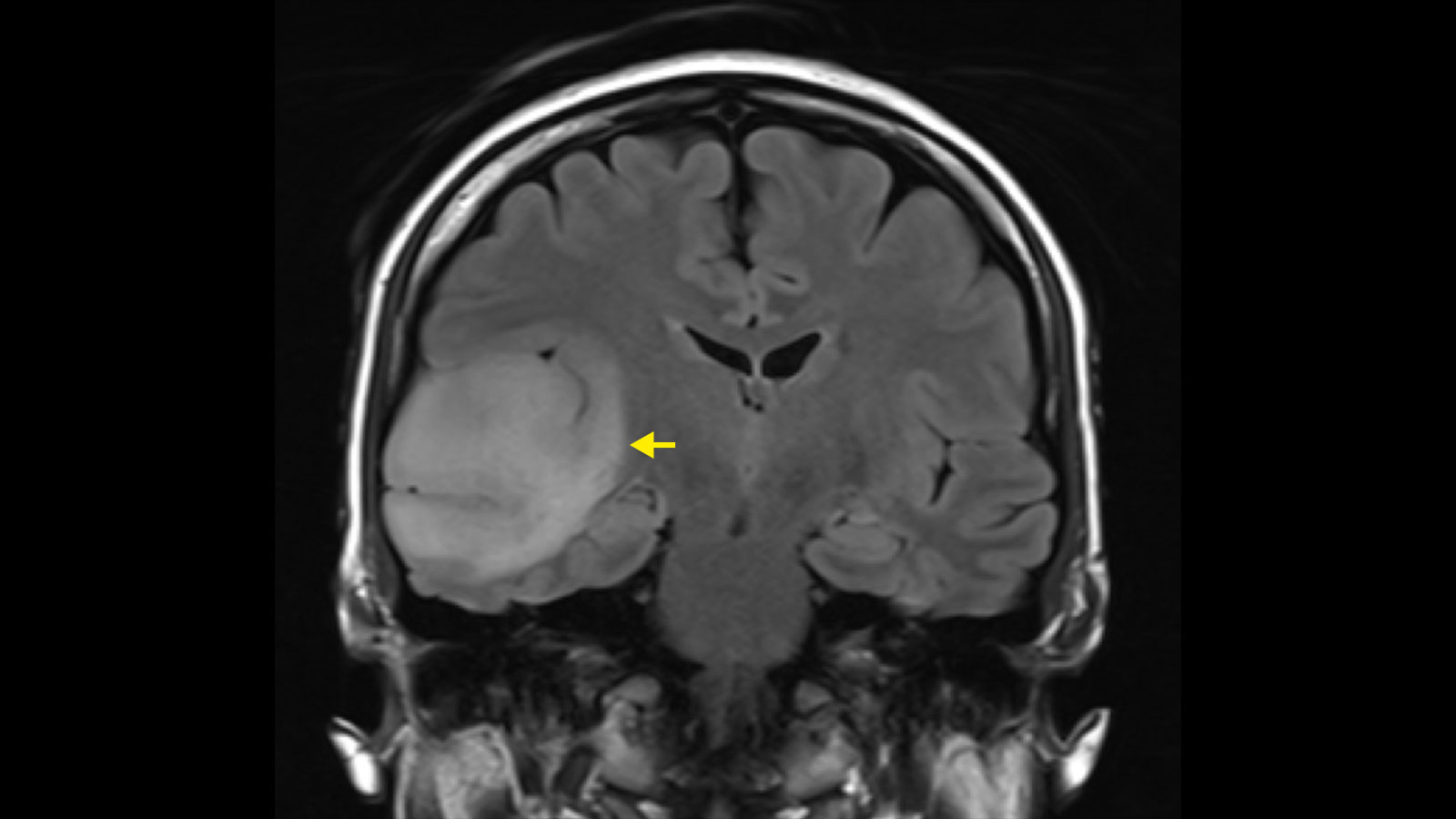
A brain tumor is a mass or growth of abnormal cells in the brain. These growths can be either noncancerous (benign) or cancerous (malignant), and both types can cause significant symptoms by pressing on surrounding brain tissue. Treatment options, including brain surgery, play a role in managing the condition. Understanding the different types of brain tumors and available treatments is a step towards effective care.
Gliomas
Gliomas are a common type of primary brain tumor that originates in the glial cells, which are the supportive cells of the brain. These tumors are classified based on the type of glial cell they arise from, such as astrocytomas, oligodendrogliomas, and ependymomas. Due to their tendency to grow into surrounding brain tissue, gliomas can be challenging to remove completely.
Symptoms of gliomas vary depending on the tumor’s location and size, but may include headaches, seizures, and changes in personality or cognitive function. Brain surgery for gliomas aims to remove as much of the tumor as safely as possible. This helps to reduce pressure on the brain and can improve neurological symptoms.
Meningiomas
Meningiomas are tumors that grow from the meninges, the tissue covering the brain and spinal cord. Most are slow-growing and not cancerous, so they may not cause symptoms for years. When symptoms do occur, they are usually caused by the tumor pressing on nearby brain areas, nerves, or blood vessels. Common symptoms include vision problems, morning headaches, hearing loss, and memory issues. Since these tumors grow on the surface of the brain, surgery is often a treatment option, by completely removing the tumor can often cure it.
Pituitary Tumors
Pituitary tumors grow in the pituitary gland, a small gland at the base of the brain that controls hormones. Most of these tumors are non-cancerous and can cause problems by making too many hormones or pressing on nearby areas. Large tumors can lead to headaches and vision problems, while hormone-making tumors may cause conditions like Cushing’s disease or acromegaly.
Treatment usually involves surgery to remove the tumor. This can help fix hormone levels and ease pressure on nearby areas. The surgery is often performed through the nose, using a minimally invasive approach to improve vision and balance hormones.
Acoustic Neuromas
An acoustic neuroma is a noncancerous tumor that grows on the nerve connecting the inner ear to the brain. This nerve affects balance and hearing, so the tumor can cause hearing loss in one ear, ringing in the ear (tinnitus), and dizziness. If the tumor grows larger, it may press on nearby nerves that control facial movement and feeling. Surgery is often done to remove the tumor and protect hearing and facial function, but the results depend on the tumor’s size and the type of surgery.
Discuss Brain Surgery Options
Choosing to have brain surgery depends on the tumor’s type, size, and location, as well as your overall health. Surgical options range from traditional open surgery to minimally invasive procedures. The goal is always to remove as much of the tumor as possible while protecting healthy brain tissue. To understand which option is best for you, it is helpful to discuss your case with a neurosurgeon.

Cataracts cause clouding in the lens of the eye, and [...]

Epidural steroid injections are a medical treatment for specific types [...]

Untreated OCD (Obsessive-Compulsive Disorder) at work is rarely obvious in [...]

The digestive system is responsible for converting food into the [...]

Custom orthotics offer a scientifically-backed solution for addressing biomechanical inefficiencies [...]

Substance abuse disorders remain a major concern, impacting individuals, families, [...]
General dentists manage a wide spectrum of oral health needs [...]

Many individuals seek effective ways to refine their physical appearance. [...]