
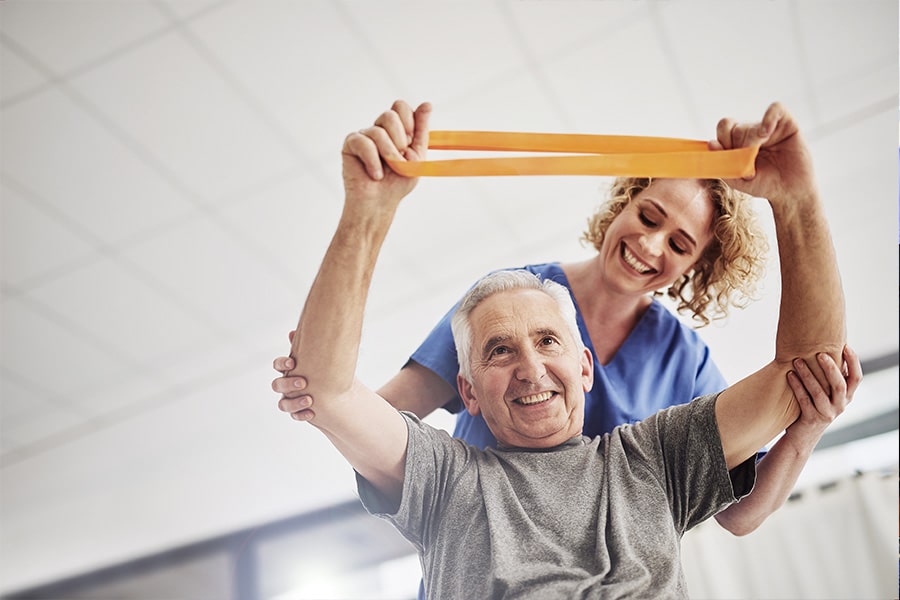
Recovering after a stroke often requires time, structured rehabilitation, and consistent support from healthcare professionals and loved ones. With the right strategies and a clear care plan, people can make meaningful progress and reduce the risk of complications or recurrent stroke. Here are practical tips for patients and caregivers to support stroke recovery:
Recovery Roadmap and Rehabilitation
Stroke recovery begins in the hospital and continues for months or years afterward. Early rehabilitation increases the likelihood of regaining lost abilities. Therapists assess the extent of neurological damage, so they can create personalized treatment plans based on individual needs.
Setting specific and measurable goals provides direction during recovery; goals may include regaining the ability to walk independently, improving speech clarity, or performing daily tasks without assistance. Physical therapy focuses on rebuilding strength and coordination, while occupational therapy helps patients relearn activities like dressing and cooking. Speech therapy addresses communication and swallowing difficulties caused by the stroke. Rehabilitation works best when started as soon as medical professionals deem it safe.
Tips for Daily Life
Adjustments at home make recovery safer and more manageable. Implementing these changes supports independence while reducing injury risk. Here are key tips for daily life:
- Remove tripping hazards like loose rugs and electrical cords from walking paths.
- Install grab bars in bathrooms near the toilet and shower.
- Use assistive devices such as walkers, canes, or reaching tools as recommended by therapists.
- Keep frequently used items at waist height to avoid excessive reaching or bending.
- Practise exercises prescribed by therapists between formal sessions.
- Maintain a consistent daily routine to reinforce new skills.
These modifications create an environment that supports recovery while allowing patients to practice skills safely. Caregivers should monitor the home for further hazards as recovery progresses.
Tips for Caregivers
Caregivers play a fundamental role in stroke recovery, but finding the balance between helping and allowing independence can be challenging. Providing too much assistance may slow a patient’s progress, and offering too little may lead to frustration or injury. Tasks that once took seconds may now require several minutes; allow extra time for patients to complete activities independently before offering help. This approach builds reinforces skills learned in therapy.
Communication between caregivers and patients prevents misunderstandings. Ask how you can help rather than assuming what assistance is needed. Some patients may prefer to attempt tasks independently first and request help only when necessary. Respecting these preferences maintains dignity and promotes self-reliance. Caregivers also need support during this demanding time; joining support groups, scheduling respite care, and maintaining personal health routines prevent burnout.
Prevention of Recurrent Stroke
Patients who have experienced one stroke face an increased risk of having another. Here are preventive measures that reduce this risk significantly:
- Take prescribed medications consistently, including blood thinners or blood pressure drugs.
- Monitor blood pressure regularly and report any concerning readings to your doctor.
- Follow a heart-healthy diet low in sodium and saturated fats.
- Exercise regularly as approved by your medical team.
- Quit smoking and limit alcohol consumption.
- Manage chronic conditions like diabetes and high cholesterol through medication and lifestyle changes.
- Attend all follow-up appointments with vascular specialists and primary care providers.
Call 911 immediately if you or your loved one experiences sudden numbness or weakness on one side of the body, confusion, trouble speaking, vision problems, severe headache, or difficulty walking.
Schedule Your Stroke Evaluation Today
Stroke recovery requires dedication from patients and caregivers alike. Starting rehabilitation early, making home modifications, and taking preventive measures all contribute to better outcomes. Recovery timelines vary, but consistent effort and proper medical care increase the chances of regaining abilities. Contact a qualified vascular expert near you to schedule your stroke evaluation today.

Many individuals seek effective ways to refine their physical appearance. [...]

Orthodontics for children can help address issues like underbites, overcrowding, [...]
Choosing the right orthopedic clinic is a fundamental step for [...]
Sciatica refers to pain that radiates along the path of [...]
Recovering after a stroke often requires time, structured rehabilitation, and [...]
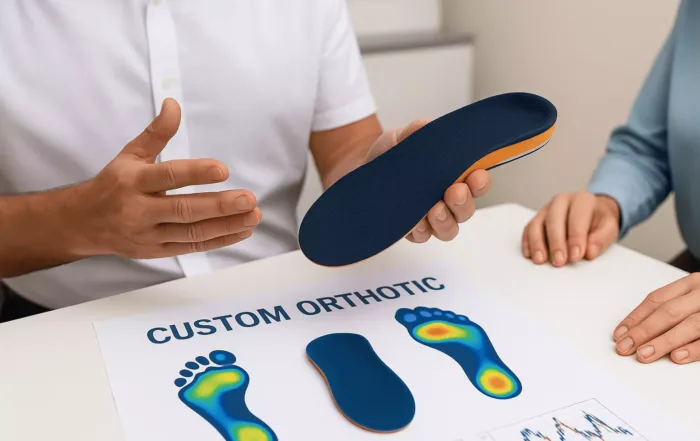
Orthotics act as specialized inserts, and you place them inside [...]

Lactation consultants help families before and after birth. They answer [...]
Family medicine provides comprehensive healthcare for individuals and families across [...]