
Menopause marks the permanent end of menstrual periods and fertility, and it typically occurs naturally after age 52. This biological transition involves a significant decline in estrogen and progesterone levels within the endocrine system. Physicians offer personalized plans to help patients restore their quality of life because hormonal shifts affect everyone differently. Nutrition and exercise counseling, prescription medications, and hormone replacement therapy are some ways doctors help women manage symptoms.
The Endocrine System and Menopause
Menopause is a natural progression of the endocrine system as the ovaries produce fewer reproductive hormones. The shift in these chemical messengers leads to physical and emotional changes. A healthcare provider monitors these fluctuations to determine the best course of action; they may adjust dosages based on your specific feedback. Professional guidance helps women understand how these systemic changes affect their long-term health.
Nutrition and Exercise Counseling
Patients often ask how lifestyle changes can mitigate the discomfort associated with hormonal shifts. Adjusting daily habits can relieve discomfort; spicy foods and caffeine trigger severe hot flashes in some women. A doctor identifies these personal triggers to help you avoid them through specialized dietary planning. This partnership empowers you to make informed choices about your physical health and daily wellness.
Physical activity may provide relief for menopausal women, and it benefits cardiovascular health as metabolism changes. Yoga and swimming are also suitable exercise methods; regular activity also helps stabilize weight. Exercise may maintain muscle mass even as the body experiences a natural decline in bone density. Professional guidance differs significantly from general internet research because a physician tailors the plan to your specific medical history.
Prescriptions and Medications
Nonhormonal medications are effective for women who choose not to take estrogen or have specific contraindications. Physicians prescribe antidepressants like SSRIs and SNRIs to manage mood swings, and these drugs also help reduce hot flashes in many patients. Gabapentin is a seizure medication that treats hot flashes and sleep disturbances effectively. Doctors prescribe these treatments based on individual needs and your unique health history.
Other prescriptions target specific physical changes to provide localized relief for the patient. Vaginal creams and lubricants alleviate dryness; oxybutynin treats overactive bladder and related symptoms. Birth control pills help balance hormones in perimenopausal women who still experience irregular cycles. Your provider monitors your health to determine the best timeline for usage because efficacy varies by patient.
Hormones and HRT
Hormone therapy boosts hormone levels when the ovaries stop producing enough estrogen and progesterone to maintain systemic balance. It effectively relieves hot flashes and vaginal dryness, and it also helps prevent bone loss. Treatment comes in various forms, including patches, pills, creams, rings, gels, or sprays. The process begins with a consultation and potential blood tests to detect follicle-stimulating hormone levels within the endocrine system.
Doctors distinguish between two main types of therapy to provide safe and targeted care. Estrogen therapy uses estrogen alone for women who have undergone a hysterectomy. Estrogen-progestogen therapy combines estrogen and progestin for women with a uterus, and this combination prevents potential complications. Because premature menopause increases cardiovascular risks, women who experience it before age 40 should receive hormone replacement therapy.
Learn More About Menopause Treatment
Menopause symptoms range from mild to severe, but treatment can help. Treatments like lifestyle changes, medication, and hormone therapy offer relief for the endocrine system. If you want to learn more about menopause treatment, consult an endocrinologist near you.

Cataracts cause clouding in the lens of the eye, and [...]
Epidural steroid injections are a medical treatment for specific types [...]

Untreated OCD (Obsessive-Compulsive Disorder) at work is rarely obvious in [...]

The digestive system is responsible for converting food into the [...]

Custom orthotics offer a scientifically-backed solution for addressing biomechanical inefficiencies [...]

Substance abuse disorders remain a major concern, impacting individuals, families, [...]
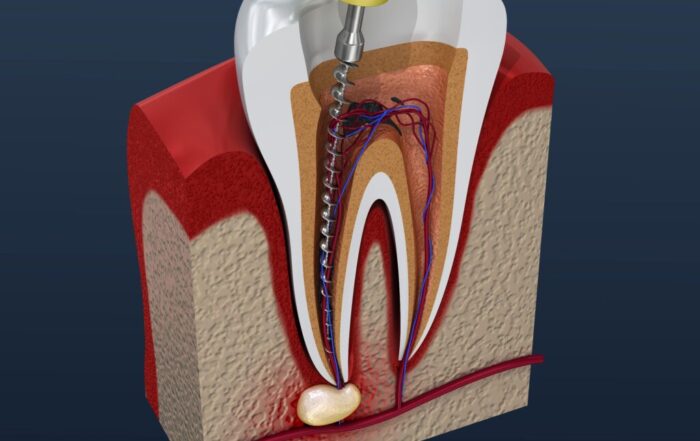
General dentists manage a wide spectrum of oral health needs [...]
Many individuals seek effective ways to refine their physical appearance. [...]