
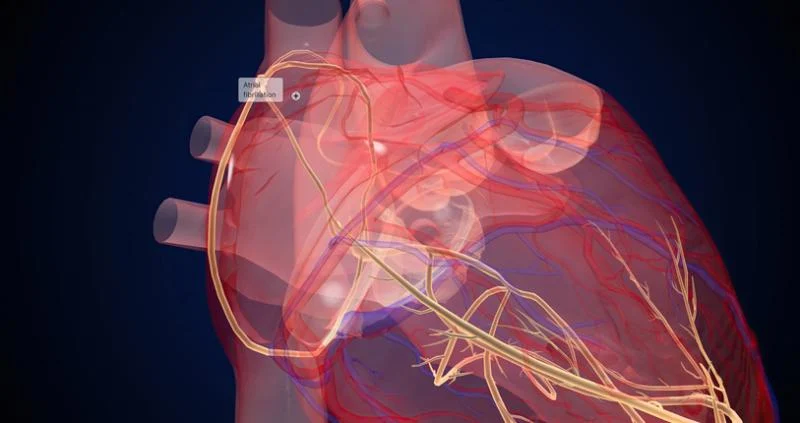
Preventive care in a cardiovascular context focuses on proactive measures to maintain heart and vascular health. This approach involves assessing individual risk factors, offering lifestyle guidance, and utilizing early detection methods. It aims to manage conditions before they develop into more significant health issues, with a particular focus on cardiovascular factors, like inflammation. By identifying potential risks early, preventive cardiology provides a framework for long-term wellness. Here’s more information on reducing inflammation with preventive cardiology:
Cardiovascular Disease and Inflammation Connection
Systemic inflammation is associated with various stages of cardiovascular disease. Inflammatory processes are involved in the development and progression of atherosclerosis, a condition where plaque builds up inside the arteries. While inflammation is a natural bodily response, chronic or prolonged inflammation can contribute to an environment that elevates cardiovascular risk. Atherosclerosis begins when inflammation triggers the accumulation of low-density lipoprotein (LDL) cholesterol and immune cells within the arteries. This leads to the formation of fatty plaques that narrow and stiffen blood vessels.
These plaques can rupture over time, causing blood clots that may result in heart attacks or strokes. Inflammation is implicated in conditions like myocarditis, where the heart muscle becomes inflamed due to infections or autoimmune responses. Understanding and managing inflammation is imperative to mitigating its effects on cardiovascular health, as it not only exacerbates existing conditions but also contributes to their onset risk.
Preventive Cardiology Role
Preventive cardiology helps identify and manage risk factors linked to inflammation and cardiovascular health. It provides a structured approach for individuals to understand their specific health profile, and preventive plans enable the creation of a personalized long-term health strategy. This discipline combines risk assessment with ongoing management to support cardiovascular wellness. Some key benefits of preventive cardiology care include:
- Routine Check-ins
- Earlier Risk Identification
- Personalized Guidance
- Active Monitoring of Chronic Conditions
Preventive Cardiology Treatments
Management strategies in preventive cardiology are tailored to an individual’s specific health status and risk factors. These approaches are generally categorized into lifestyle adjustments, medications, and regular screenings. Each of these preventive methods can impact inflammation associated with cardiovascular diseases.
Lifestyle Changes
Lifestyle adjustments are a fundamental part of preventive heart care. These often involve dietary modifications, like adopting eating patterns rich in fruits, vegetables, and whole grains. Specific nutritional recommendations depend on individual health needs.
Diets that emphasize these foods are associated with a reduction in inflammatory markers, and some individuals may benefit from limiting processed foods known to contribute to chronic inflammation. Regular physical activity is also a key component, with guidelines often suggesting a mix of aerobic exercise and strength training. Physical activity has been linked to improved cardiovascular function and may help reduce inflammation levels in the body over time.
Medications
For some individuals, medications may be part of a comprehensive preventive plan, especially when lifestyle changes alone are not sufficient to manage risk factors. Certain medications are selected for their role in controlling blood pressure, cholesterol, or blood sugar, and also for their ability to address inflammation linked with cardiovascular risk. Some lipid-lowering agents and glucose management medications have effects on inflammatory pathways, and low-dose aspirin may be recommended in specific cases for its anti-inflammatory properties. Physicians may use medications to control high blood pressure, lower cholesterol, or manage blood sugar levels. The decision to use medication is based on a thorough evaluation of a person’s overall health profile and specific risk factors.
Preventive Screenings
Preventive screenings are cardiovascular tools used for early detection and risk assessment. These can include blood tests to check cholesterol and glucose levels, blood pressure measurements, and more advanced imaging tests if needed. Screenings may include the measurement of specific markers associated with inflammation, such as C-reactive protein (CRP) and other related biomarkers. Identifying these markers can offer additional information about underlying inflammatory processes that may influence cardiovascular health. These screenings provide valuable data that helps create a baseline, guide risk stratification, and monitor changes over time, allowing for informed adjustments to the preventive plan as required.
Schedule a Preventive Cardiology Exam
Consulting with a healthcare provider for a preventive cardiology exam can provide a comprehensive overview of your cardiovascular health. This type of appointment provides a detailed risk assessment and the development of a coordinated health plan. An evaluation establishes a baseline for future monitoring and supports proactive management of cardiovascular well-being. To learn about your heart health, contact a cardiovascular specialist today.

Cataracts cause clouding in the lens of the eye, and [...]

Epidural steroid injections are a medical treatment for specific types [...]

Untreated OCD (Obsessive-Compulsive Disorder) at work is rarely obvious in [...]

The digestive system is responsible for converting food into the [...]

Custom orthotics offer a scientifically-backed solution for addressing biomechanical inefficiencies [...]

Substance abuse disorders remain a major concern, impacting individuals, families, [...]

General dentists manage a wide spectrum of oral health needs [...]

Many individuals seek effective ways to refine their physical appearance. [...]

