
Geriatric healthcare focuses on promoting and managing the health of older adults. This specialized field of care addresses the complex physical, mental, and social needs that arise with aging. As individuals grow older, they often face unique health challenges, including multiple chronic conditions and increased use of medications. Geriatric care aims to effectively manage these issues, helping seniors maintain their quality of life through comprehensive, coordinated medical care. Here’s information on the role of internal medicine physicians for geriatric care plans:
What Is an Internist?
An internist is a medical doctor who specializes in internal medicine, which focuses on the diagnosis, treatment, and prevention of diseases in adults. They have a deep understanding of the entire body and how its various systems interact; this broad expertise allows them to diagnose and treat a wide array of health issues. Internists are equipped to treat many different illnesses, from common ailments to complex medical problems.
Internists manage conditions that affect the internal organs and bodily systems, and their extensive training covers various subspecialties, including:
- Cardiology (The Heart)
- Endocrinology (The Glands and Hormones)
- Gastroenterology (The Digestive System)
Some internists pursue further specialization in one of these areas, but many practice as general internists, providing comprehensive primary care for adults throughout their lives.
Internists are particularly skilled at managing chronic conditions, which are long-lasting health problems that require ongoing medical attention. They develop long-term treatment plans to control symptoms and slow disease progression, and they often coordinate care with other specialists as a holistic approach. By monitoring seniors closely over time, an internist can adjust treatments as needed and help them navigate the complexities of living with one or more chronic illnesses.
How Do Internists Treat Seniors?
When providing care for seniors, internists apply their broad knowledge to the specific needs of aging adults. They are trained to recognize how symptoms can present differently in older individuals and understand the interplay between multiple health conditions. An internist’s approach to geriatric care involves careful assessment of a person’s overall health, including their cognitive function and mobility. They focus on creating personalized care plans that prioritize each patient’s goals, whether those goals involve managing pain, maintaining mobility, or preserving cognitive health.
What Are Some Geriatric Services?
Geriatric services provided by internists are designed to address the multifaceted health needs of older adults. These services are centered on preventive care, and internists work to keep their patients healthy by recommending appropriate screenings, vaccinations, and lifestyle adjustments. They also serve as the central point of contact for a senior’s healthcare, coordinating treatments among various specialists to verify that all aspects of care are aligned.
Managing Chronic Illness
A primary role of an internist in geriatric care is the management of chronic illnesses common in older adults, such as cancer, diabetes, and osteoporosis. They develop strategies to manage these conditions concurrently, taking into account how one illness and its treatment might affect another. The goal is to optimize the health and function of the individual while minimizing the impact of the condition.
Managing Medications
Older adults often take multiple medications for various conditions, which increases the risk of adverse drug reactions and interactions. Internists are skilled in medication management; they carefully review all prescriptions, over-the-counter drugs, and supplements to assess that they are appropriate. This process, known as polypharmacy management, helps prevent complications and simplifies an individual’s daily medication routine.
Learn More About Geriatric Care
An internist can help you make informed decisions about healthcare for older adults, because they provide comprehensive, tailored care. By focusing on the whole person, internists help seniors manage their overall health more effectively. If you or a loved one needs geriatric services, contact an internal medicine practice to schedule a consultation.

Cataracts cause clouding in the lens of the eye, and [...]
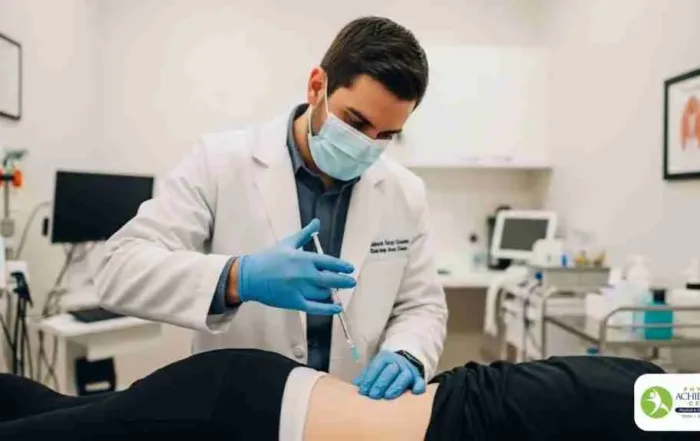
Epidural steroid injections are a medical treatment for specific types [...]

Untreated OCD (Obsessive-Compulsive Disorder) at work is rarely obvious in [...]

The digestive system is responsible for converting food into the [...]

Custom orthotics offer a scientifically-backed solution for addressing biomechanical inefficiencies [...]

Substance abuse disorders remain a major concern, impacting individuals, families, [...]

General dentists manage a wide spectrum of oral health needs [...]

Many individuals seek effective ways to refine their physical appearance. [...]