

A vasectomy is a form of permanent male birth control, and this procedure blocks sperm from reaching the semen to prevent pregnancy. People may have questions about how this procedure might affect their hormones and overall sexual health. By understanding the relationship between a vasectomy, hormones, and bodily functions, you can gain clarity. Here is more information about the role of hormones in vasectomy procedures:
Testosterone is a Sex Hormone
Testosterone is the primary male sex hormone; females also produce it. It plays a key part in male development. This hormone, which influences things like muscle mass and bone density, also regulates sex drive, and testosterone production mainly occurs in the testes.
Vasectomy Doesn’t Affect Testosterone
A vasectomy severs the vas deferens, and this action stops sperm from traveling. Testosterone enters the bloodstream directly from the testes, so the procedure does not interrupt this process. Your hormone levels will remain unchanged after a vasectomy because the testes continue to produce testosterone as they did before.
The body still produces sperm after the procedure. Since the sperm cannot travel through the vas deferens, they are reabsorbed by the body. This is a natural process, and it has no impact on hormone production or your overall health. Your sexual function and drive are not altered by the procedure itself.
After a vasectomy, many men find that their sex life improves. This may happen because the worry of an unplanned pregnancy is removed, and the procedure is used to prevent conceiving a child. This may allow couples to be more relaxed and spontaneous.
Hormone for Erectile Function
Erectile function is a complex process involving the brain, hormones, nerves, and blood vessels. Testosterone helps with libido, but it does not directly cause an erection. An erection starts with sensory or mental stimulation, which triggers nerves to relax muscles in the penis.
This relaxation allows blood to flow into the penile tissues, causing an erection. Because a vasectomy does not touch the nerves or blood vessels involved in this process, it does not cause erectile dysfunction. Your ability to get and maintain an erection is not affected.
Factors That Apply
Your overall health has an impact on sexual function, just as a vasectomy does. Age is a natural factor, and it may influence testosterone levels over time. Other elements also play a role in sexual health and hormone balance.
Several lifestyle and health factors can affect erectile function and hormone levels:
- Chronic illnesses like diabetes or heart disease
- Certain medications
- Diet and exercise habits
Addressing these underlying factors is a practical step, and it can help you maintain sexual health. A vasectomy is separate from these other health considerations. If you have concerns about erectile function, speaking with a healthcare provider can help identify the cause.
Schedule a Vasectomy
A vasectomy offers a permanent solution for birth control without changing your hormonal profile. The procedure is straightforward, and it does not interfere with testosterone production or sexual function. If you are ready to explore this option, specialists can provide information and support. Contact a clinic to schedule a consultation and learn more about the vasectomy procedure.

Cataracts cause clouding in the lens of the eye, and [...]

Epidural steroid injections are a medical treatment for specific types [...]

Untreated OCD (Obsessive-Compulsive Disorder) at work is rarely obvious in [...]
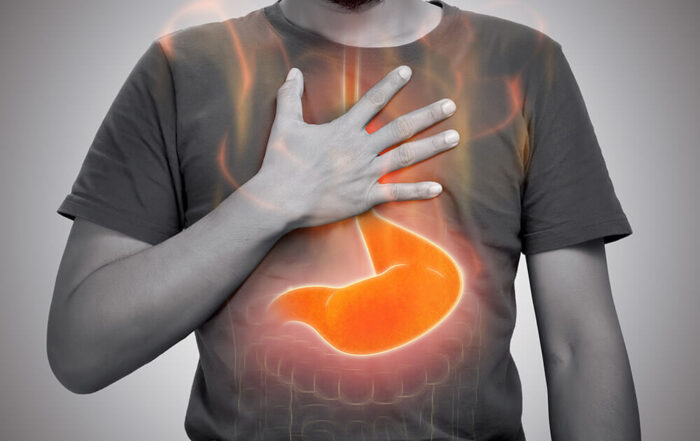
The digestive system is responsible for converting food into the [...]

Custom orthotics offer a scientifically-backed solution for addressing biomechanical inefficiencies [...]

Substance abuse disorders remain a major concern, impacting individuals, families, [...]
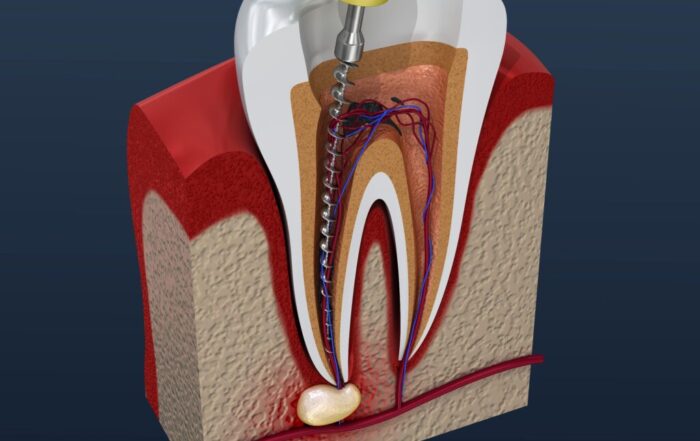
General dentists manage a wide spectrum of oral health needs [...]

Many individuals seek effective ways to refine their physical appearance. [...]