
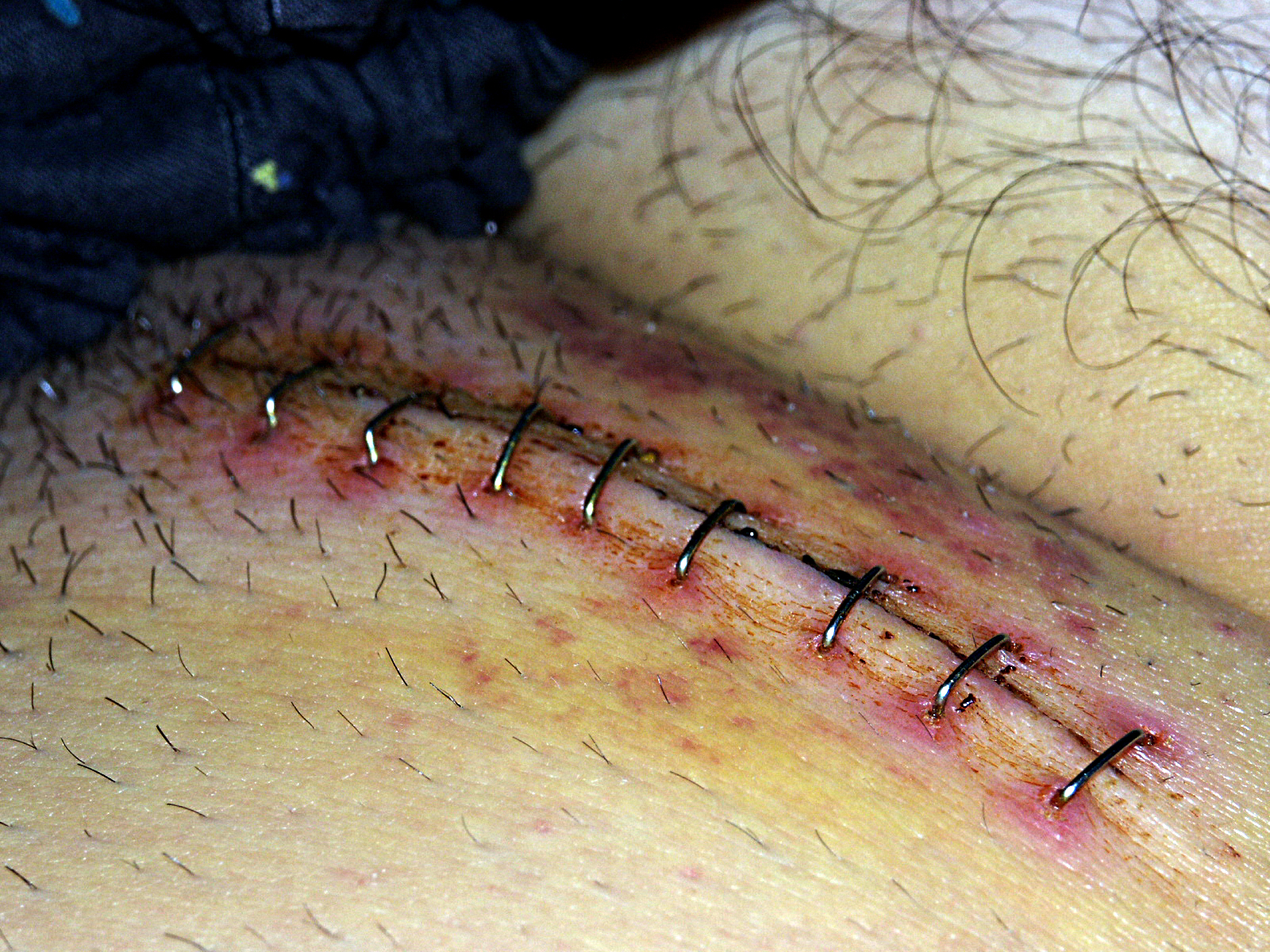
Hernia repair is often the first step toward lasting relief, but follow-up care plays a major role in achieving a successful outcome and supporting a smooth recovery. Postoperative check-ins help your surgical team monitor healing, assess pain and mobility, and identify early signs of issues. Here’s a closer look at the role of follow-up care after hernia surgery:
Checking Progress
Your surgeon schedules follow-up appointments after hernia repair to monitor healing and detect potential problems early. During follow-up visits, your surgeon will:
- Examine the incision site: Your surgeon checks for signs of infection, such as redness, swelling, or drainage. They also assess proper wound healing and make sure the incision is healing correctly.
- Assess pain levels: You’ll discuss any discomfort you’re experiencing. Your surgeon determines if your pain is normal for your stage of recovery or if it signals a complication.
- Check for recurrence: Your surgeon palpates the surgical site to make sure the hernia hasn’t returned. This is particularly helpful in the early weeks after surgery.
- Review your activity levels: Your surgeon asks about your daily activities and advises whether you can safely increase physical exertion. They determine whether you need to continue limiting certain movements.
These appointments generally occur one to two weeks after hernia surgery, with further visits scheduled as needed based on your recovery progress.
Advancing Activity Progression Safely
Recovery from hernia repair follows a predictable timeline, though individual experiences vary. Knowing what to expect at each stage helps you gauge your progress and avoid overexertion. Patients can return to light activities within a few days after minimally invasive hernia surgery, and this includes walking, which promotes circulation and reduces the risk of blood clots.
Heavy lifting, strenuous exercise, and intense physical labor should be avoided for at least four to six weeks, depending on your surgeon’s guidance. Follow your surgeon’s instructions about when to resume work, exercise, and other physical activities. Pain and discomfort typically decrease over the first few weeks; if you notice worsening pain or new symptoms, contact your surgeon promptly.
Preventing Recurrence
Hernias can return if the surgical site doesn’t heal properly or if underlying risk factors aren’t addressed. Adopting healthy habits reduces the likelihood of recurrence and supports long-term recovery. Make sure to:
- Maintain a healthy weight: Excess weight strains abdominal muscles and increases pressure on the surgical site.
- Avoid heavy lifting: Refrain from lifting very heavy objects during the initial recovery period.
- Manage chronic cough or constipation: Treat underlying conditions like allergies or respiratory issues, and add fiber to your diet to promote regular bowel movements.
These habits can protect the surgical site and also improve your overall health and well-being.
Recognizing Urgent Warning Signs
While some discomfort is normal during recovery after hernia repair, certain symptoms require immediate attention. Contact your surgeon if you experience intense pain that doesn’t respond to prescribed medication, as this may indicate an infection, mesh complications, or other issues. Fever, chills, increased redness, warmth, swelling, or pus at the incision site suggest infection and require prompt treatment.
Inability to urinate or pass stool, along with severe abdominal pain and bloating, could signal a bowel obstruction, and this is a medical emergency. If you notice a new bulge near the surgical site, the hernia may have recurred. Don’t hesitate to reach out to your surgeon or seek urgent care.
Schedule Your Hernia Repair Appointment
Follow-up care after hernia repair is fundamental to healing and preventing recurrence. Regular check-ins with your surgeon, gradual activity progression, and healthy lifestyle habits all contribute to a smooth recovery. Pay attention to warning signs and reach out to your medical team if you have concerns. To learn more about hernia repair, contact a qualified surgeon in your area to schedule your appointment today.

Cataracts cause clouding in the lens of the eye, and [...]
Epidural steroid injections are a medical treatment for specific types [...]

Untreated OCD (Obsessive-Compulsive Disorder) at work is rarely obvious in [...]
The digestive system is responsible for converting food into the [...]

Custom orthotics offer a scientifically-backed solution for addressing biomechanical inefficiencies [...]

Substance abuse disorders remain a major concern, impacting individuals, families, [...]
General dentists manage a wide spectrum of oral health needs [...]

Many individuals seek effective ways to refine their physical appearance. [...]