
Dental procedures include specific interventions to restore function and appearance to a patient’s teeth. A dental crown is a standard restoration used by dentists to cover a damaged tooth. Here is more information on crowns, their purpose, what the process involves, and the benefits they provide:
What Are Crowns?
A dental crown is a fixed prosthetic device cemented onto an existing tooth or implant. It covers the entire visible portion of the tooth that lies at and above the gum line. Crowns are fabricated from various materials, including porcelain, porcelain and metal, and ceramic, depending on the patient’s needs. The choice of material often impacts the durability and aesthetic appearance of the final restoration, and porcelain and ceramic crowns can be matched to the color of natural teeth.
What Is Their Purpose?
Crowns serve primarily to strengthen damaged teeth and restore their shape, alignment, and appearance. When a tooth is cracked, broken, or severely worn down, a crown provides the necessary structural support to prevent further damage, and this allows the tooth to function normally during biting and chewing. These dental devices cover teeth with large fillings when there isn’t enough tooth remaining to hold the filling. They also anchor dental bridges, cover misshapen or severely discolored teeth, and cover dental implants.
What Does the Process Involve?
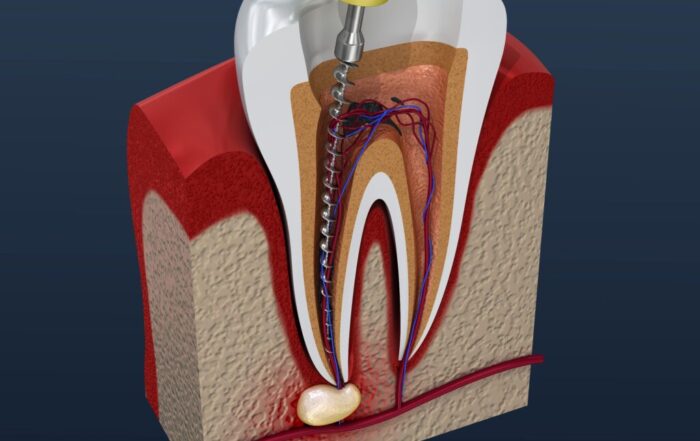
The procedure for placing a dental crown typically requires separate visits to the dental office. During the first visit, the dentist examines and prepares the tooth that will receive the crown, and this may involve taking X-rays to assess the teeth and surrounding bone. If the tooth has extensive decay, a root canal treatment may be performed first.
Before making the crown, the tooth is filed down along the chewing surface and sides, and the amount of tooth structure removed depends on the type of crown used. If a large area of the tooth is missing due to decay or damage, the dentist uses filling material to rebuild the tooth and support the crown. After reshaping the tooth, the dentist takes an impression of it.
This impression is sent to a dental laboratory, and the dentist places a temporary crown to protect the prepared tooth while the permanent crown is being made. At the next visit, the dentist removes the temporary crown and checks the fit and color of the permanent crown. If everything is acceptable, the new crown is permanently cemented in place.
What Are the Benefits?
Dental crowns offer a durable solution for restoring damaged teeth and improving oral health. Because they encase the entire visible portion of a tooth, they protect against further decay and fracture, and this structural reinforcement helps extend the lifespan of the natural tooth. Crowns also offer aesthetic improvements by correcting discoloration, misshapen teeth, or alignment issues. Materials like porcelain mimic the translucency of natural enamel, resulting in a restoration that blends with surrounding teeth.
Crowns are a long-lasting restoration option, and they last many years with proper care. They do not require special maintenance beyond good oral hygiene practices, such as brushing, flossing, and regular dental check-ups. The stability provided by a crown can also improve chewing and speaking abilities.
Visit a Dental Office Today
Dental crowns are an effective treatment for restoring damaged or decayed teeth, and they provide functional support and aesthetic enhancement. Proper diagnosis and treatment planning are necessary for achieving successful outcomes with dental crowns. Contact a local dental office to learn more about restorative dentistry options.

Cataracts cause clouding in the lens of the eye, and [...]

Epidural steroid injections are a medical treatment for specific types [...]

Untreated OCD (Obsessive-Compulsive Disorder) at work is rarely obvious in [...]

The digestive system is responsible for converting food into the [...]

Custom orthotics offer a scientifically-backed solution for addressing biomechanical inefficiencies [...]

Substance abuse disorders remain a major concern, impacting individuals, families, [...]
General dentists manage a wide spectrum of oral health needs [...]

Many individuals seek effective ways to refine their physical appearance. [...]