

Your sinuses are four paired cavities in your head, located near the nose and eyes. They are lined with mucous membranes and connected by narrow channels. These air-filled spaces normally produce thin mucus that drains through the nasal channels, helping keep the area clean and free of bacteria. When allergies strike, your immune system reacts to allergens by releasing chemicals like histamine, and this leads to inflammation in the nasal passages. Here’s information about sinus pain and how allergies can affect your symptoms:
What Is Sinusitis?
Healthy sinuses are filled with air, but when they become blocked and filled with fluid, germs may grow and cause an infection. Sinusitis refers to the inflammation or swelling of the tissue lining the sinuses. This condition can be acute and short-lasting or chronic, persisting for twelve weeks or more despite treatment attempts.
Several factors lead to the development of sinusitis. The common cold is a frequent viral infection that creates an environment where mucus accumulates. A deviated septum, which is a shift in the nasal cavity, or nasal polyps can physically block the sinus openings. Dental infections may spread to the maxillary sinuses, also causing inflammation and pain.
Allergies can contribute to acute and chronic sinusitis, as allergic reactions cause inflammation that leads to swelling and increased mucus production. When dealing with sinus issues already, allergies may contribute to drainage blockage. As the sinuses become blocked, pressure builds up behind the eyes and cheeks, causing sinus pain. If you have allergic rhinitis, your body is constantly fighting perceived threats. This chronic inflammation prevents the sinuses from draining properly, creating a stagnant environment where bacteria can easily thrive.
What Are Some Common Treatments?
Managing sinus pain often involves treating the underlying cause, whether it is an infection or an allergic reaction. Individuals with untreated allergies often experience recurring sinus infections because the underlying inflammation is never fully resolved. When managing recurring sinus issues, you may benefit from visiting a specialist to determine what is contributing to your condition. Some common conservative treatment options for sinus pain include:
Antibiotics
Antibiotics are specifically prescribed to treat bacterial infections. They are not effective against viral infections or allergy-induced inflammation alone. Physicians reserve antibiotics for cases where symptoms have persisted for more than 10 days without improvement, or when the condition initially improves but then worsens again.
Decongestant Medication
Decongestants work by narrowing the blood vessels in the nasal passages, reducing swelling and allowing air to flow more easily. These are available in pill form or as nasal sprays. Nasal decongestant sprays should generally be used for only a few days at a time, as prolonged use can lead to a rebound effect where congestion worsens.
Corticosteroid Nasal Sprays
These sprays help prevent and treat inflammation directly in the nasal passages, especially for those with allergies. They are often effective for shrinking nasal polyps and treating chronic sinusitis caused by allergies. Unlike decongestants, corticosteroids do not cause rebound congestion, and they can be used safely over longer periods.
When Are Advanced Interventions Recommended?
If prior treatments do not provide relief, or if issues are caused by structural problems, advanced interventions may be recommended. Here are four advanced intervention types to improve sinusitis symptoms:
- Balloon Sinuplasty: This is a minimally invasive procedure where a small balloon is inserted into the blocked sinus passageway and inflated. This action restructures and widens the sinus walls, restoring drainage without the need for cutting or removing bone or tissue.
- Turbinate Reduction: The turbinates are small structures inside the nose that cleanse and humidify the air you breathe. When they become chronically enlarged due to allergies or infections, they can block airflow. A reduction procedure decreases the size of these structures to improve breathing and reduce sinus pressure.
- Cryotherapy or Radiofrequency Energy Options: Newer techniques utilize temperature-controlled energy to target the nerves responsible for chronic rhinitis. Cryotherapy freezes the nerves, while radiofrequency energy uses heat to disrupt the signals that trigger swelling and dripping.
Learn More About Treating Sinus Pain
If you are experiencing ongoing sinus pain, discuss your treatment options with a specialist today. Whether your symptoms are from allergies, infections, or structural issues in the sinuses, there are treatments to improve your condition. Schedule a consultation today to learn more about effectively treating sinusitis. Contact an ear, nose, and throat specialist to determine the best options for you.
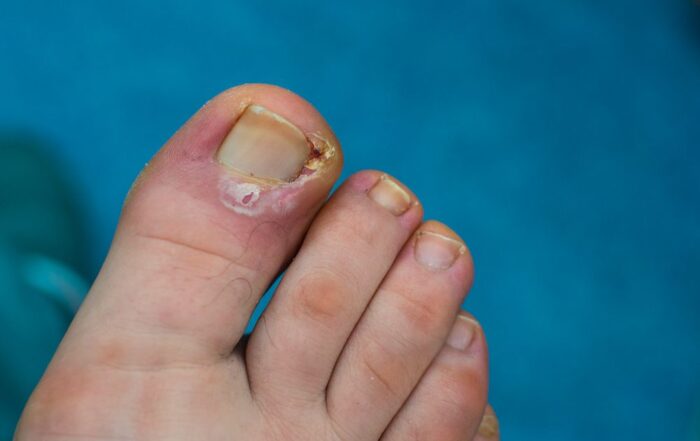
An ingrown toenail occurs when the edge of a toenail [...]

New treatments and technologies are emerging to meet client demands, [...]

Obstetrics is the branch of medicine focused on pregnancy, childbirth, [...]

Arthritis and back pain are two conditions that can affect [...]

Your sinuses are four paired cavities in your head, located [...]

Undergoing ankle surgery marks the beginning of a structured journey [...]

Prenatal care is a foundational component of a healthy pregnancy, [...]

Foot and ankle pain can interfere with daily activities, and [...]