
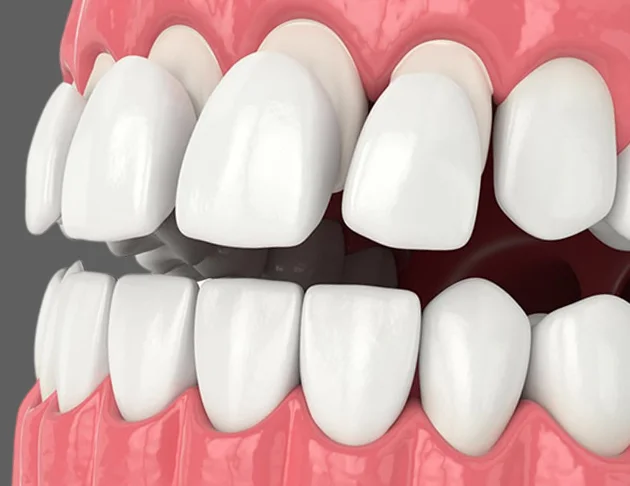
Dental veneers are thin shells typically made from porcelain or composite resin, and they bond to the front surface of your teeth. They change the color, shape, size, or length of the tooth. Because the procedure addresses multiple issues, it is a versatile option for smile enhancement. Here is more information about the benefits of veneers to help you achieve a uniform smile:
Provides Stain Resistance
Veneers are designed to resist stains better than natural tooth enamel. Because the material is non-porous, liquids may not penetrate the surface easily. Natural teeth absorb pigments from food over time, and this could lead to yellowing or darkening of the smile. The glazed surface of a veneer acts as a barrier against these pigments. Staining agents include:
- Coffee and tea
- Wine
- Berries
- Soy sauce
Looks Natural
Dental labs craft veneers to mimic the light-reflecting properties of natural teeth. Some allow light to enter the surface, and this reflects off the underlying tooth. When light hits the veneer, it appears translucent. The result aims for a smile that looks real rather than artificial.
You select the specific shade of white for your new smile. Because everyone has different preferences, the dentist guides you through this selection process. They may hold shade guides against your face, and you pick the ideal match. The customization allows you to control the final aesthetic outcome.
As the restoration integrates with your oral health, the gum line typically looks healthy and pink. The transition between the veneer and the gum should be smooth. To prevent irritation or inflammation of the soft tissue, the dentist carefully shapes the veneer. They fit it precisely to your gum line, and the profile should look natural.
Increases Durability
Veneers are made of a strong material that is designed to withstand regular biting forces. Although the shells are thin, they become durable once bonded to the tooth structure. The chemical bond unites the veneer and the tooth into a solid unit, and this strength allows you to eat most foods. Veneers typically last many years. Because they are robust, they offer a long-term solution for dental restoration.
Maintenance requires the same care as your natural teeth. You brush and floss daily, and you visit the dentist for regular checkups. These habits aim to prevent decay from forming under the veneer. While porcelain does not decay, the exposed tooth structure remains vulnerable. A night guard protects the veneers if you grind your teeth while sleeping. You avoid chewing on ice or hard candy.
Offers a Minimally Invasive Solution
The preparation for veneers is conservative compared to other dental restorations. Unlike crowns, which cover the entire tooth, veneers require minimal enamel removal. The dentist shaves a tiny amount off the front surface. This step allows the veneer to sit flush with the other teeth. Because less enamel is removed, more of the natural tooth remains intact. The procedure typically requires little to no anesthesia.
Visit a Dentist for Veneers
A consultation determines if you are a suitable candidate for this procedure. You discuss your goals, and the dental team examines your oral health. Because every mouth is unique, the dentist creates a personalized treatment plan. Schedule an appointment today to start your smile transformation.

Therapy is a structured medical treatment designed to manage various [...]

Cataracts cause clouding in the lens of the eye, and [...]
Epidural steroid injections are a medical treatment for specific types [...]

Untreated OCD (Obsessive-Compulsive Disorder) at work is rarely obvious in [...]

The digestive system is responsible for converting food into the [...]

Custom orthotics offer a scientifically-backed solution for addressing biomechanical inefficiencies [...]

Substance abuse disorders remain a major concern, impacting individuals, families, [...]
General dentists manage a wide spectrum of oral health needs [...]