
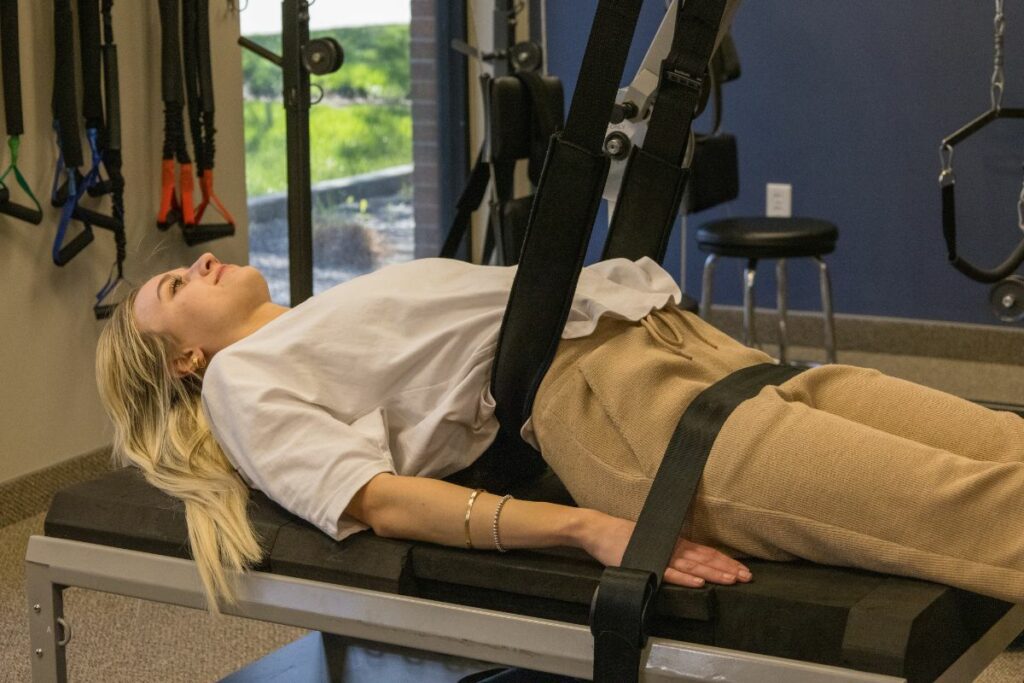
Herniated discs can cause significant discomfort and limit your daily activities. Understanding your condition and available treatment options helps you make informed decisions about your care, and spinal decompression offers a non-surgical approach to managing herniated disc pain. Here is more information on herniated discs and what pain management involves:
What Are Herniated Discs?
Herniated discs occur when the soft inner material of a spinal disc pushes through a crack in the outer layer. This can put pressure on nearby nerves, causing pain in the affected area. The condition most commonly affects the lower back and neck, and professional pain management can help.
What Causes Them?
Age-related wear and tear is a common cause of herniated discs. The discs gradually lose water content over time, and this makes them less flexible and more prone to tearing. Even a minor strain can cause a disc to herniate in someone with age-related degeneration.
Sudden trauma from lifting heavy objects improperly or experiencing a fall can also cause a disc herniation. Certain occupations that require repetitive lifting, pulling, or twisting increase the risk of developing this condition. Genetics may play a role in some cases, and certain individuals are more susceptible to disc problems.
What Are the Symptoms?
Pain in the affected area is the primary symptom of a herniated disc. Lower back herniations can cause pain that radiates down one leg, while neck herniations may cause pain extending into the shoulder and arm. The pain ranges from mild discomfort to severe, debilitating sensations. Numbness or tingling in the areas served by the affected nerves is common.
What Does Pain Management Involve?
Pain management for herniated discs typically begins with conservative treatments. Physical therapy helps strengthen the muscles supporting the spine and improves flexibility. Anti-inflammatory medications can reduce swelling around the affected nerve roots, and they provide temporary relief.
Ice and heat therapy may offer short-term comfort for some patients. A healthcare provider may recommend modifying activities to avoid movements that aggravate the condition, and this helps prevent worsening pain. If conservative measures don’t provide adequate relief, more advanced treatments like spinal decompression are evaluated.
How Is Spinal Decompression Beneficial?
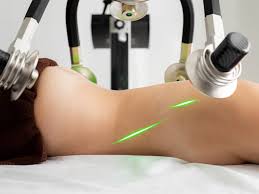
Spinal decompression therapy gently stretches the spine to relieve pressure on herniated discs. This stretching creates negative pressure within the disc, and this helps retract the herniated material and reduce nerve compression. The treatment is non-invasive and typically performed on a specialized table.
The therapy promotes the movement of water, oxygen, and nutrient-rich fluids into the discs. This increased circulation supports the healing process, and it may help restore disc function over time. Patients can experience reduced pain and improved mobility after a series of treatment sessions.
Learn More About Spinal Decompression
Spinal decompression provides a non-surgical option for managing herniated disc pain and promoting healing. The therapy addresses the root cause of discomfort by reducing pressure on affected discs and nerves. If you’re experiencing symptoms of a herniated disc, consult with a qualified healthcare provider to determine if spinal decompression is appropriate for your condition. Schedule an evaluation and learn more about your treatment options.

Orthotics are specialized medical devices inserted into athletic footwear, and [...]
Herniated discs can cause significant discomfort and limit your daily [...]

Breast cancer is one of the most common cancers affecting [...]
Diabetes is a chronic condition that affects how your body [...]

Skin cancer develops when DNA damage causes mutations, and the [...]
Sciatica causes pain that radiates along the path of the [...]
Weight loss surgery offers patients multiple options to achieve their [...]

Navigating the requirements for transitional housing programs can feel overwhelming [...]