

Family practice provides comprehensive care for common illnesses that affects children and adults. It offers timely evaluation, treatment, and follow-up in one familiar setting. Family medicine doctors can recognize patterns in symptoms, health history, and household exposure that may influence diagnosis and recovery. Here are the key benefits of family practice in treating common illnesses:
Delivering Family-Friendly Care
Family practice handles a wide range of common health problems without requiring multiple appointments or referrals. When you visit a family medicine practice for a routine illness, you can expect:
- Treatment for respiratory infections like colds, flu, bronchitis, and sinus infections.
- Care for digestive issues, including stomach viruses, food poisoning, and minor abdominal pain.
- Management of skin conditions such as rashes, minor burns, and allergic reactions.
- Evaluation and treatment of urinary tract infections and other minor infections.
One provider can treat your child’s ear infection in the morning and your parent’s persistent cough in the afternoon. This saves time, and it reduces the stress of coordinating care across different offices.
Personalizing Care
A family medicine provider who has treated you over time understands your baseline health and past illnesses, and they know how your body responds to treatment. This leads to more accurate diagnoses and treatment plans tailored to your specific needs. Your provider knows if you have allergies to certain medications, which treatments have worked for you previously, and what underlying conditions may complicate a seemingly simple illness.
This knowledge base is key when symptoms present in ways that could indicate multiple conditions. A persistent cough may stem from allergies you’ve had for years, or it could signal a new respiratory infection. Your provider can distinguish between these possibilities based on your documented health patterns. The relationship also builds trust, which encourages open communication about symptoms.
Incorporating Preventive Care
Family practice appointments for common illnesses often include preventive care discussions. While treating your immediate concern, providers may address:
- Vaccination status and upcoming immunizations.
- Screening tests you’re due for based on age and risk factors.
- Lifestyle factors that may be contributing to frequent illness.
- Early warning signs of chronic conditions that routine tests may reveal.
This dual approach means you’re not just treating the current illness but also working to prevent future health problems.
Coordinating Referrals and Follow-Up
Most common illnesses resolve with treatment, but some require specialist care. Family practice providers recognize when symptoms indicate a more complex condition and coordinate appropriate referrals. The referral process is more efficient because your provider communicates directly with specialists, sharing your complete medical history and the reasoning behind the referral. This reduces duplicate testing and helps specialists address your needs more quickly.
Your family medicine practice also manages follow-up care after specialist treatment, making sure recommendations are implemented and monitoring your progress. Lab work or imaging may reveal unexpected findings, and your provider will explain the results and develop a plan for further evaluation or treatment. This prevents gaps in treatment that can occur when seeing multiple providers.
Book Your Family Practice Appointment Today
Family practice provides comprehensive, personalized care for common illnesses while building a basis for long-term health. The convenience of treating all family members in one location, combined with a provider who knows your medical history, can lead to more effective treatment and better health outcomes. Contact a trusted family medicine doctor near you to book your appointment today.
- Understanding the Role of Neurologists in Treating Complex Conditions
- Integrating Lifestyle Changes into Your Pain Management Plan
- The Benefits of Family Practice in Treating Common Illnesses
- Urgent Care for Non-Life-Threatening Conditions
- The Role of Geriatric Care in Enhancing Quality of Life for Seniors

Neurologists are medical doctors who specialize in the nervous system, [...]

Effective pain management often requires practical lifestyle changes that support [...]

Family practice provides comprehensive care for common illnesses that affects [...]
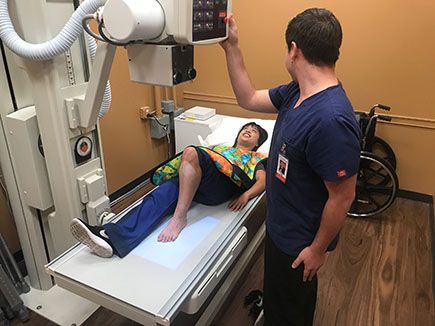
Urgent care centers bridge the gap between primary care physicians [...]

Geriatric care focuses on the unique medical, functional, and social [...]

Cerebral palsy represents a group of disorders that affect a [...]

Managing hand and wrist pain can benefit from a diverse [...]

An urgent care center provides immediate medical attention for conditions [...]