
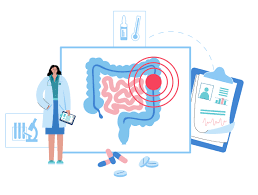
Detecting health issues early often leads to better outcomes, and colon cancer is no exception. Early action is key to prognosis. Screening tests look for cancer before a person has any symptoms, allowing doctors to find polyps before becoming cancerous. This proactive approach significantly reduces the risk of severe complications. Because colon cancer starts as a small growth called a polyp, finding these growths early is the most effective way to prevent the disease from advancing.
Colon Cancer Screenings
Medical professionals use several methods to screen for colon cancer. The most common test is a colonoscopy, but other methods exist. During this procedure, a doctor uses a flexible tube with a camera to examine the colon, and they can remove any abnormal growths found during the exam. While some patients might feel nervous about the procedure, it remains ideal because it allows for both detection and prevention in a single appointment. This combined method is gold standard in it’s effectiveness.
Other options include stool-based tests that look for signs of cancer or polyps in a sample. These tests are convienent. Although alternative medical options are less invasive, a positive result usually requires a follow-up colonoscopy to confirm the diagnosis. Screening schedules vary based on individual risks, yet most guidelines suggest regular testing for 45 years and older.
Who Is Susceptible
Age is the biggest risk factor for colon cancer, as the majority of diagnoses occur in people who are age 50 or older. Rates are rising among younger adults, so medical guidelines now recommend that screenings begin at age 45. You might be at a higher risk if you have a family history of colon cancer or polyps. People with inflammatory bowel diseases like ulcerative colitis can also face increased odds. Understanding your personal risks help your doctor determine when to start screening and which test is right for you.
What To Expect
Preparation for a colonoscopy is often the part patients discuss most, as the colon must be completely empty. This is so doctor to see the lining clearly. You will follow a liquid diet for a day or even more before the exam, and you will take a strong laxative solution to clear your bowels. You can usually return to your normal diet and activities the very next day.
Results are often available immediately regarding whether polyps were found. Biopsy results for removed tissue typically take a few days to process. Complications from screening are rare, but risks include bleeding or a tear in the colon wall, so you should discuss these possibilities with your provider beforehand.
Get Screened Today
Taking control of your health begins with necessary appointments, and a colon cancer screening is a step toward preventative care. Talk to your doctor about your specific risk factors. Regular screenings increase prognosis positivity by catching cancer early when it is most treatable, so do not delay this conversation with your healthcare provider. Your health is your most valuable asset, and maintaining it requires vigilance and proactive medical care.

Therapy is a structured medical treatment designed to manage various [...]

Cataracts cause clouding in the lens of the eye, and [...]
Epidural steroid injections are a medical treatment for specific types [...]

Untreated OCD (Obsessive-Compulsive Disorder) at work is rarely obvious in [...]

The digestive system is responsible for converting food into the [...]

Custom orthotics offer a scientifically-backed solution for addressing biomechanical inefficiencies [...]

Substance abuse disorders remain a major concern, impacting individuals, families, [...]
General dentists manage a wide spectrum of oral health needs [...]