

A family practice offers a single point of contact for a wide range of health needs. This model of care centers on a long-term relationship between a patient and a physician. Instead of seeing different specialists for various issues, patients can turn to a trusted provider who understands their personal and family health history. This approach simplifies healthcare management for individuals and families alike, providing a consistent source of guidance for overall well-being.
How Do Families Benefit?
Choosing a family practice provides a centralized healthcare home for every member of the family, from infants to older adults. This continuity allows the provider to develop a deep understanding of the family’s health dynamics and history. A physician who treats multiple generations can recognize patterns and potential hereditary conditions. This insight enables the delivery of more personalized and proactive care to each individual.
The convenience of a single practice for everyone simplifies scheduling and communication. Parents can manage appointments for themselves and their children in one location, streamlining their healthcare responsibilities. When a health concern arises, the entire family has a familiar and trusted professional to turn to for advice. This establishes a foundation of trust and open communication, making it easier to discuss health matters with confidence. This relationship is a cornerstone of the family practice model.
What Strengthens Preventive Care?
Preventive care is a key focus within a family practice. It involves services that help you stay healthy and detect health problems early. A family provider uses their ongoing relationship with you to recommend screenings, immunizations, and lifestyle adjustments based on your specific health profile, age, and family history. This proactive approach helps manage health effectively over time.
Here are some ways a family practice supports preventive health:
- Regular Checkups: Consistent appointments allow providers to monitor your health and identify changes before they become serious issues. They establish a baseline for your health, making it easier to spot deviations.
- Personalized Screenings: Based on your comprehensive health history, a provider can recommend timely screenings for conditions such as high blood pressure, diabetes, and certain types of cancer.
- Lifestyle Guidance: Your family doctor can offer practical advice on nutrition, exercise, and stress management. This guidance is tailored to your individual circumstances and health goals.
- Immunization Management: The practice tracks vaccination schedules for all family members, from childhood immunizations to annual flu shots for adults.
By focusing on these areas, a family practice helps you take an active role in maintaining your long-term health. The consistent oversight from a dedicated provider creates a strong framework for preventive services.
How Do Providers Coordinate?
A primary role of a family practice provider is care coordination. When a patient needs to see a specialist, the family doctor acts as the central point of communication. They can refer you to trusted specialists within their network and share relevant health information to support your visit. This process helps create a seamless experience for the patient. The family provider receives updates from the specialist, maintaining a complete picture of your health.
This coordination is beneficial when managing chronic conditions or complex health issues that require input from multiple specialists. Your family doctor helps interpret the information and recommendations from different experts. They bring it all together to form a cohesive care plan that makes sense for you. This integrated approach prevents conflicting treatments and reduces the burden on patients to manage their own care coordination. The family physician advocates for the patient’s needs across the healthcare system.
Visit a Family Practice Office
A family practice offers continuous, comprehensive care tailored to you and your family’s unique needs. Having a dedicated provider who understands your complete health history simplifies navigating the healthcare system. They support preventive care and coordinate with specialists when needed. To learn more about how this model can support your family’s health, contact a local office to schedule a visit.

Therapy is a structured medical treatment designed to manage various [...]

Cataracts cause clouding in the lens of the eye, and [...]

Epidural steroid injections are a medical treatment for specific types [...]

Untreated OCD (Obsessive-Compulsive Disorder) at work is rarely obvious in [...]

The digestive system is responsible for converting food into the [...]

Custom orthotics offer a scientifically-backed solution for addressing biomechanical inefficiencies [...]

Substance abuse disorders remain a major concern, impacting individuals, families, [...]
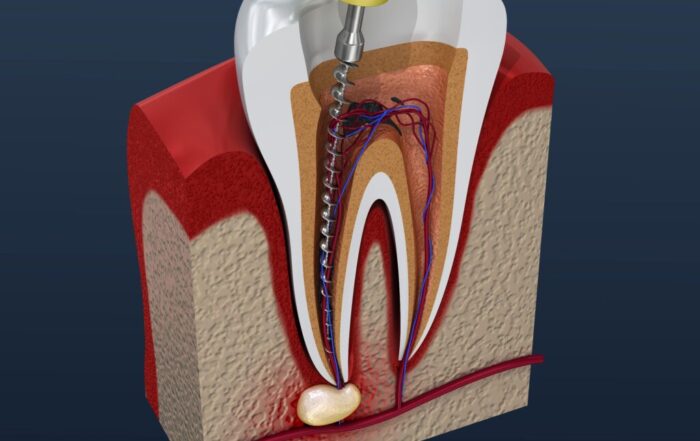
General dentists manage a wide spectrum of oral health needs [...]