
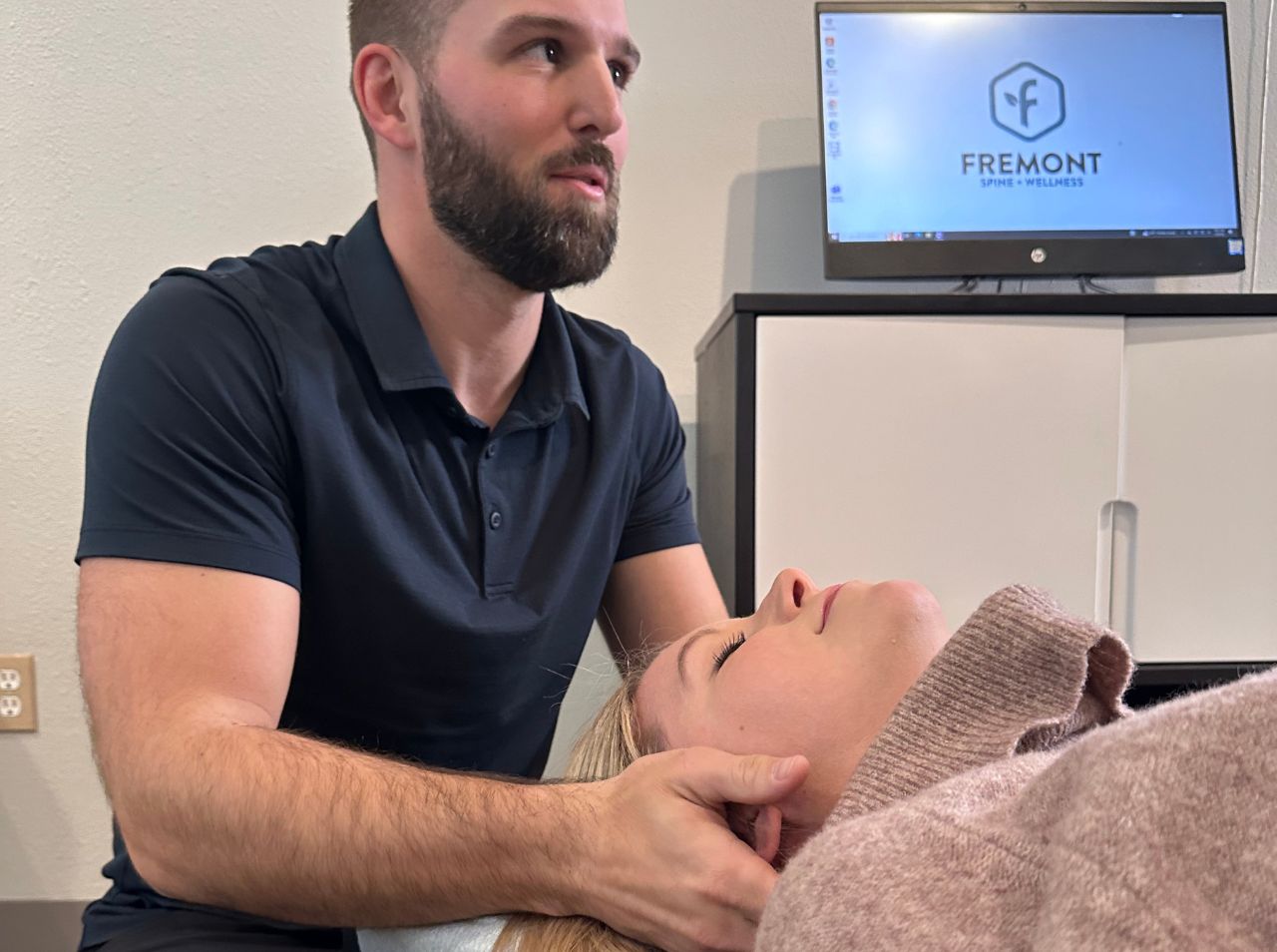
Headaches are among the most common neurological complaints, yet certain types, such as cluster headaches, are distinguished by their intensity and recurring patterns. Characterized by severe, localized pain and cyclical episodes, cluster headaches can significantly disrupt daily life and overall well-being. Because of their complexity and the severity of symptoms, effective management requires timely diagnosis and targeted intervention.
Rapid-Acting Treatments for Acute Attacks
When a cluster headache attack begins, speed is key. Oxygen therapy is a very effective and fast-acting treatment. Breathing pure oxygen through a mask can often stop an attack in 15 minutes. This non-invasive method works well for many without medication side effects. Another rapid solution is Triptans, like sumatriptan. They come as injections or nasal sprays.
Local anesthetic sprays with lidocaine also offer relief for some people. You apply them directly into the nostril on the side where you feel pain. These sprays numb the nerves that send pain signals. While not effective for everyone, they are a helpful option. This is especially true if you want to avoid systemic medications. Talk with your healthcare provider to explore the best rapid-acting treatment for your needs.
Preventive Medications During Cluster Cycles
Breaking the cycle of recurring headaches requires a different approach. Verapamil, a calcium channel blocker, is the first-line preventive medication. It stabilizes blood vessel activity in your brain. Most people tolerate it well with minimal side effects. Your doctor will start you on a low dose. They will gradually increase it while monitoring your heart.
Nerve blocks provide targeted prevention. They interrupt pain signals before they reach your brain. Your provider injects medication near specific nerves. The greater occipital nerve is one common target. This creates a temporary barrier against headache attacks. These blocks often reduce the frequency and intensity of episodes. This happens during active cluster periods.
Lifestyle Adjustments & Trigger Management
Identifying your triggers helps you avoid cluster headache attacks. Alcohol often causes attacks during cluster periods. So, avoiding it during active cycles is helpful for most people. Even a small amount can trigger severe headaches within hours. Staying vigilant is a key part of your management strategy. Sleep patterns also play a big role. Consistent sleep and wake times help regulate your body’s clock. This seems linked to cluster headache patterns.
Strong odors, bright lights, and extreme temperatures are other factors to watch. Keep a detailed headache diary. Note when attacks occur and what you were doing. This record helps you spot patterns. It lets you make informed lifestyle changes. Stress management is also necessary. Use relaxation techniques to manage stress. Regular exercise outside of cluster periods can help. Proper hydration also supports overall headache management.
Advanced & Specialized Treatment Options
If standard treatments don’t work, several advanced options can provide hope. One option is occipital nerve stimulation. This involves implanting a device at the base of your skull. It sends electrical impulses to interfere with pain signals. This can reduce the frequency and intensity of attacks for many. Sphenopalatine ganglion stimulation is another innovative approach.
For severe cases, deep brain stimulation offers relief. It is more invasive and targets the hypothalamus. Neuromodulators like Botox® have also been effective for some. Research is ongoing for their use in cluster headaches. These treatments offer another path when traditional approaches fail. Emerging therapies, like monoclonal antibodies, also show promise. They work by blocking specific pain pathways.
Schedule Your Headaches Evaluation Now
Living with cluster headaches challenges every aspect of your life, but effective relief strategies exist. Combining rapid-acting treatments for immediate attacks with preventive approaches creates comprehensive management that minimizes suffering.
Lifestyle modifications strengthen your defense against triggers while advanced options provide solutions when conventional treatments don’t suffice. When your cluster headache persists, schedule an evaluation with a specialist near you for a thorough examination and personalized treatment plans through integrative approaches.

Foot and ankle pain can interfere with daily activities, and [...]

Knee pain is a common musculoskeletal concern that can interfere [...]
Regular eye exams are a part of maintaining your overall [...]

Seasonal affective disorder (SAD), a type of depression related to [...]
Headaches are among the most common neurological complaints, yet certain [...]
Wounds are common, and while many heal without complications, some [...]

Chronic sinusitis commonly impacts daily life, making simple tasks feel [...]

Laser cataract surgery is an advanced approach to cataract removal [...]

