
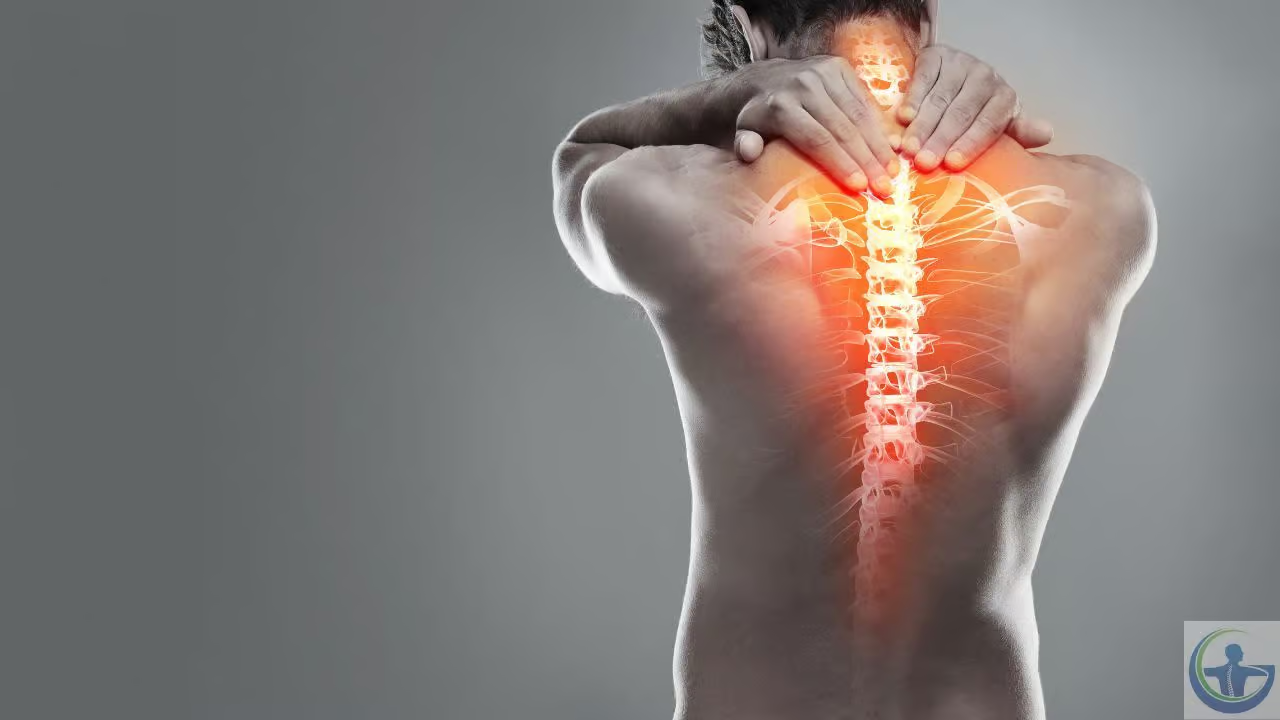
Spine pain can affect your mobility and quality of life. Common causes include disc damage, while spinal stenosis may limit movement. The spine supports nerves, and changes can make daily tasks challenging. Make informed decisions about your health today.
Decompression for Comfort
Spinal decompression creates necessary space within the spinal column. This therapy gently stretches the spine while precisely controlling pressure. When pressure drops, blood flows more freely, and discs receive nutrients. It is one option that addresses symptoms of spinal stenosis and disc damage. The process is non-invasive; many individuals prefer it for this reason. Some people choose decompression when other approaches have not met their needs. Because the procedure targets the compressed area, changes in mobility are sometimes observed. The table moves under careful guidance, and the computer controls the force applied. Before decompression, a medical professional reviews your health history and evaluates your symptoms. The number of sessions varies depending on your plan, and your provider monitors your progress throughout spine pain treatment.
Regeneration for Healing
Regenerative therapies are minimally invasive, and they use the body’s own cells. Injections are targeted to the affected area. Some approaches use platelets or stem cells to aid in healing ligaments or discs. If you have spinal instability, these therapies are sometimes included in your plan to support tissue strength. As inflammation settles, changes in movement or comfort may occur. These methods can be used for individuals with spinal fractures or ongoing degeneration. Your provider may use imaging to guide injections with greater accuracy. Ultrasound and fluoroscopy locate the correct injection site. Some soreness at the injection site can occur, but many return to daily activities quickly. Regenerative therapies offer a non-surgical option, and they may be available if surgery does not align with your preferences. To learn how these therapies fit into your plan, ask your provider for details during your next visit.
Stimulation for Spine Pain Relief
Spinal cord stimulation is an option for managing chronic pain signals. A small device is implanted near the spine, and it modifies the transmission of pain signals. The stimulator delivers mild electrical pulses to nerves, interrupting painful signals before they reach the brain. When pain signals are changed, your comfort levels can improve. For some people with persistent nerve pain, this technology offers another approach if medications or physical therapy have not helped. You control the device using a remote, and they program the settings for your situation. The settings are adjusted at home and tailored for daily activities or times of day.
Because the device is designed to directly address pain signals, it is used for several months or longer. Some use spinal cord stimulation when pain continues after back surgery, neuropathic discomfort, or spinal instability. For challenging or unexplained nerve pain, it can be part of a broader plan. A trial implant lets you test its effects before a permanent device is placed, supporting personalized care. The pulses are gentle, and you adjust the levels to suit your daily needs. Regular follow-ups are scheduled to monitor device function, and your provider will adjust settings as needed. This approach is a collaborative process.
Make an Appointment Today
A professional evaluation determines the source of pain. Your provider will review your history, and they may conduct a physical exam. Schedule an appointment, especially if symptoms persist. Take the first step toward pain relief today. Management can start with a simple phone call.

Foot and ankle pain can interfere with daily activities, and [...]

Knee pain is a common musculoskeletal concern that can interfere [...]
Regular eye exams are a part of maintaining your overall [...]

Seasonal affective disorder (SAD), a type of depression related to [...]
Headaches are among the most common neurological complaints, yet certain [...]
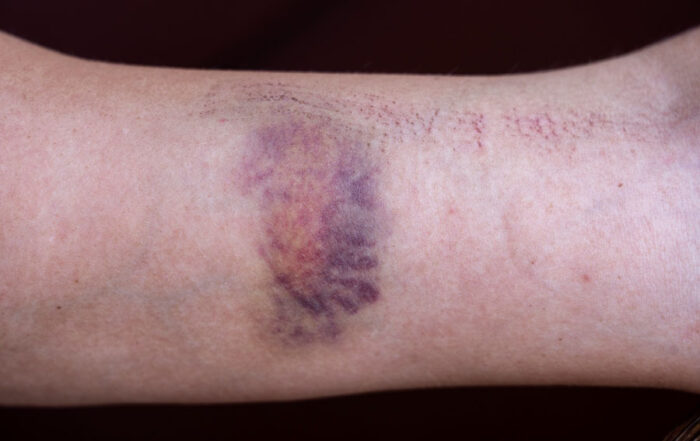
Wounds are common, and while many heal without complications, some [...]

Chronic sinusitis commonly impacts daily life, making simple tasks feel [...]
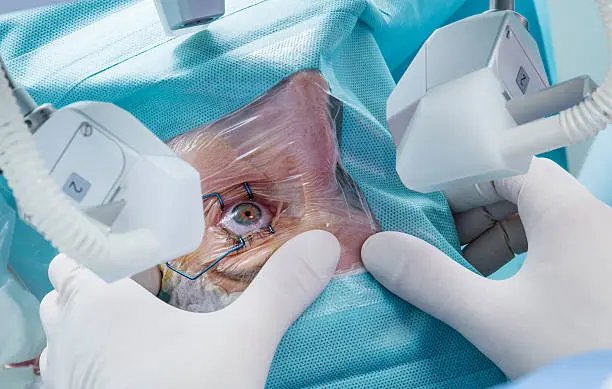
Laser cataract surgery is an advanced approach to cataract removal [...]

