
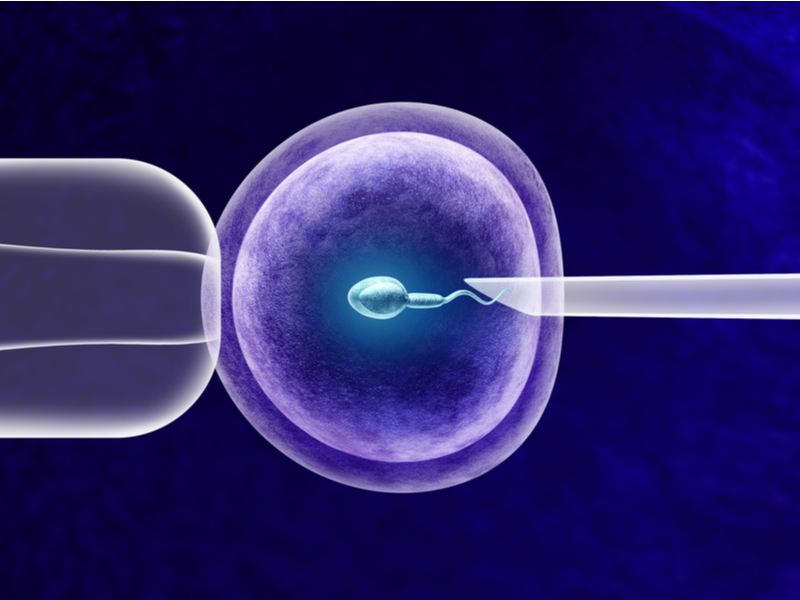
Understanding the in-vitro fertilization process can help you feel more prepared as you review your options. In-vitro fertilization, or IVF, involves a sequence of steps that take place over several weeks. Each phase is designed to manage a specific part of the reproductive process outside the body. Knowing what you can expect during each stage, from initial hormone treatments to the final transfer procedure, may aid in making an informed decision.
Ovarian Stimulation
The first step in the in-vitro fertilization cycle is ovarian stimulation. The goal is to encourage your ovaries to produce multiple mature eggs, rather than the single egg that typically develops each month. To achieve this, you will self-administer injectable medications containing fertility hormones. This phase usually lasts for about eight to 14 days.
During this time, your medical team will closely monitor you. You will have regular appointments for blood tests and ultrasounds. The blood tests measure your hormone levels, while the ultrasounds allow the team to see the development of the follicles in your ovaries. These monitoring appointments help your doctor track your progress and adjust medication dosages as needed.
Egg Retrieval and Fertilization
Once the monitoring shows that the follicles have reached the appropriate size, the next steps involve retrieving the eggs and preparing them for fertilization.
Egg Retrieval
Egg retrieval is a minor surgical procedure performed at the clinic. You will receive anesthesia to keep you comfortable. Using a thin needle, guided by ultrasound, the doctor goes through the vaginal wall and into the follicles to collect the eggs. After a short recovery period at the clinic, you can go home.
Fertilization
After retrieval, the eggs are taken to the laboratory. An embryologist will assess the maturity and quality of the embryo. A sperm sample is also collected and prepared on the same day. An embryologist then combines the sperm with the eggs in a process known as insemination. The combined eggs and sperm are placed in an incubator to facilitate fertilization, resulting in the formation of embryos.
Embryo Transfer
The embryo transfer is the exciting final step in your IVF cycle, typically occurring three to five days after your egg retrieval. This procedure is generally straightforward and doesn’t require anesthesia, allowing you to resume most normal activities shortly after.
Here’s what to expect during the embryo transfer:
- Embryo Selection: An embryologist carefully chooses one or more of the healthiest embryos for transfer. This careful selection helps to maximize your chances of a successful pregnancy.
- Transfer Procedure: Your doctor will gently guide a thin, flexible tube, called a catheter, through your cervix and into your uterus. The selected embryo(s) are then carefully placed into the uterine cavity. This process is usually quick and causes minimal discomfort.
- After the Transfer: You’ll typically have a short recovery period at the clinic before you can go home. If there are other healthy embryos, they can be frozen for potential future use, offering more opportunities for pregnancy.
Knowing what to expect during this final stage can help you feel more prepared and in control. The aim is to make this step as comfortable and efficient as possible, moving you closer to your goal.
Consult an In-Vitro Fertilization Specialist
Navigating the in-vitro fertilization process involves many details, and having expert guidance can provide clarity. Each stage is carefully planned and monitored to support the best possible outcome for you. Understanding the timeline and what each step involves can make the experience feel more manageable. For personalized information about your specific circumstances, consulting with a specialist is the next step.

Therapy is a structured medical treatment designed to manage various [...]

Cataracts cause clouding in the lens of the eye, and [...]
Epidural steroid injections are a medical treatment for specific types [...]

Untreated OCD (Obsessive-Compulsive Disorder) at work is rarely obvious in [...]

The digestive system is responsible for converting food into the [...]

Custom orthotics offer a scientifically-backed solution for addressing biomechanical inefficiencies [...]

Substance abuse disorders remain a major concern, impacting individuals, families, [...]
General dentists manage a wide spectrum of oral health needs [...]