
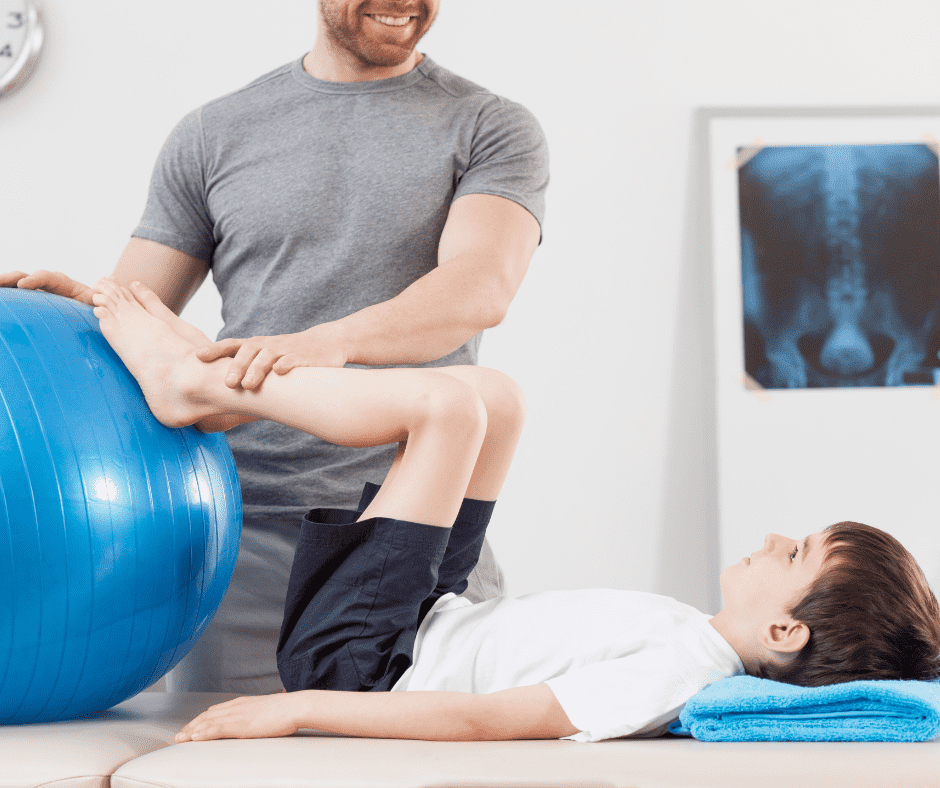
Sports injuries can happen during exercise or while participating in a sport. They can result from accidents, poor training practices, or improper equipment. Rehabilitation is a structured program designed to help you recover from an injury, and it involves various treatments and therapies. A proper rehabilitation plan is recommended to help you return to your activities safely and effectively, as it helps restore function, reduce pain, and prevent future injuries.
Initial Treatments of Sports Injuries
After an injury, the first step in treatment focuses on managing symptoms and preventing further harm to the affected area. This often involves using the RICE method, a widely recommended approach for initial care of sports injuries. RICE stands for Rest, Ice, Compression, and Elevation. Protect the injured area from additional strain or impact. Rest allows the body to begin healing without added stress. Apply ice to the area to reduce swelling and numb it, which helps alleviate pain. Compression, typically using a bandage or wrap, helps control swelling and provide support, and Elevation minimizes further swelling by keeping the injured area raised above heart level. These steps provide a structured way to care for injuries in the early stages.
- Rest: Avoid activities that cause pain or stress to the injury. Rest is recommended for the initial healing process.
- Ice: Apply ice packs to the injured area for 15-20 minutes at a time, several times a day. This can help manage swelling.
- Compression: Use an elastic bandage to wrap the area, which can help reduce swelling.
- Elevation: Keep the injured limb elevated above the level of your heart to help minimize swelling.
This initial phase aims to control inflammation, so the body can begin the natural healing process.
Key Rehabilitation Strategies
Once the initial phase is over, a more active rehabilitation plan begins. The goal is to gradually restore function and strength. This process is usually guided by a healthcare professional. Key strategies are tailored to the individual and the specific injury. A successful rehabilitation program focuses on several core components; it should progressively increase the load on the injured tissue to encourage healing and adaptation. The plan will also incorporate exercises to improve mobility and flexibility. Restoring strength and endurance is another element, often starting with simple movements and advancing to more complex ones. The rehabilitation process requires patience, for recovery takes time and consistent effort.
Common Rehabilitation Techniques
A variety of techniques are used to help individuals recover from sports injuries, and these techniques are often combined to create a comprehensive treatment plan. A physical therapist or other specialist can determine the most appropriate methods for your situation.
Common techniques may include:
- Therapeutic Exercises: These are specific movements designed to restore strength, flexibility, and endurance. They might include range-of-motion exercises, strengthening exercises, and balance training.
- Manual Therapy: This involves hands-on techniques, such as massage or joint mobilization. A therapist uses these methods to improve movement and reduce pain.
- Modalities: These include treatments like electrical stimulation or ultrasound. They are used to complement other rehabilitation efforts.
Each technique serves a specific purpose, and a specialist can guide you through the appropriate application. This offers a safe and effective recovery process.
Ask a Specialist Today
Navigating recovery from a sports injury can be challenging, and understanding the right steps to take is advisable for a safe return to your activities. A specialist, such as a physical therapist or sports medicine physician, can provide a personalized rehabilitation plan. They will assess your specific injury and create a program tailored to your needs and goals. Professional guidance can make a significant difference in your recovery, so consult a specialist for expert advice.

Cataracts cause clouding in the lens of the eye, and [...]
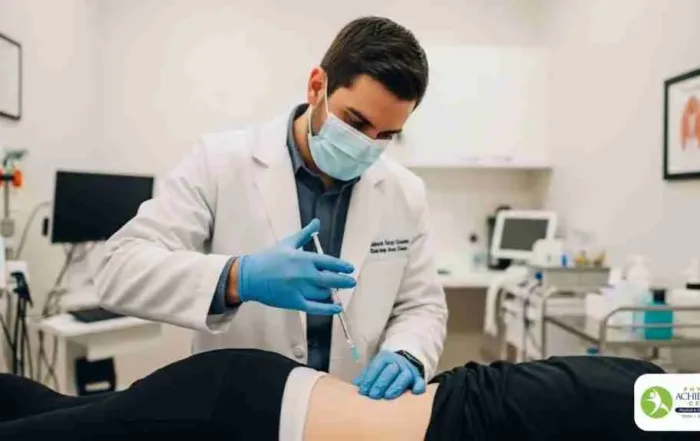
Epidural steroid injections are a medical treatment for specific types [...]
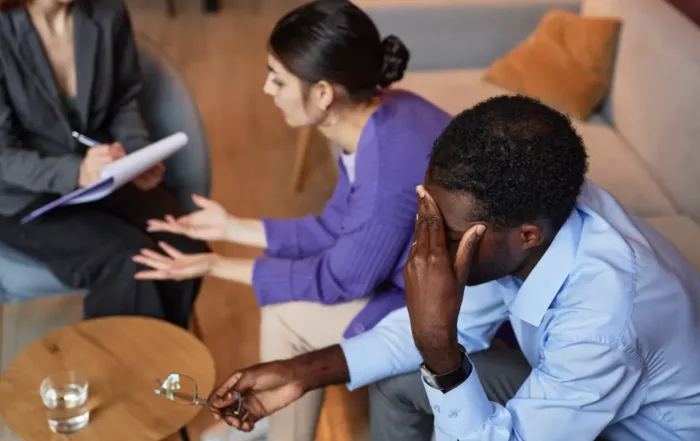
Untreated OCD (Obsessive-Compulsive Disorder) at work is rarely obvious in [...]
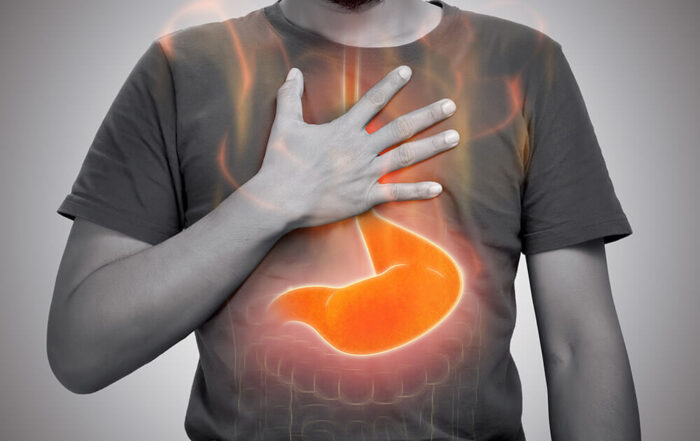
The digestive system is responsible for converting food into the [...]

Custom orthotics offer a scientifically-backed solution for addressing biomechanical inefficiencies [...]

Substance abuse disorders remain a major concern, impacting individuals, families, [...]
General dentists manage a wide spectrum of oral health needs [...]
Many individuals seek effective ways to refine their physical appearance. [...]