

Undergoing ankle surgery marks the beginning of a structured journey toward healing. While the surgery itself addresses immediate structural issues, the subsequent recovery period determines the long-term success of the intervention. Understanding the general phases of healing helps prepare individuals for the commitment required to regain full mobility.
What Is Ankle Surgery?
Ankle surgery encompasses a broad range of orthopedic procedures designed to repair bones, ligaments, tendons, and cartilage within the ankle joint. Surgeons perform these operations to correct deformities, stabilize fractures, or alleviate chronic pain that conservative treatments failed to resolve. The complexity of the procedure varies significantly. Some interventions are minimally invasive, utilizing arthroscopic techniques with small incisions and cameras. Others require open surgery to place hardware to fuse bones or reconstruct damaged tissues.
What Does It Address?
Orthopedic specialists recommend surgery for various conditions affecting the ankle joint. Trauma stands as a leading cause, with severe fractures or dislocations requiring surgical fixation to realign bones properly. Ligament tears, particularly those resulting in chronic ankle instability, may also necessitate reconstruction if physical therapy does not restore stability.
Beyond acute injuries, degenerative conditions often lead to surgical intervention. Severe arthritis can wear down cartilage and cause bone-on-bone friction. Ankle fusion or total ankle replacement offers a solution to improve one’s quality of life. Tendon disorders, such as Achilles tendonitis, also fall under the umbrella of conditions addressed through surgical repair. Each of these issues presents unique challenges, influencing the specific recovery protocols a surgeon will prescribe.
What Should You Expect?
Recovery unfolds in distinct stages, though individual timelines vary based on overall health and the complexity of the procedure. The first few weeks focus on wound healing and pain management. The ankle is typically immobilized in a splint or cast to protect the surgical site. Patients usually must avoid putting any weight on the operated leg, relying on crutches, knee scooters, or wheelchairs for mobility. This period demands rest to allow the incision to close and initial tissue repair to begin.
Intermediate Healing
Follow-up appointments allow the surgeon to inspect the incision and remove sutures or staples. Depending on the procedure, patients might transition to a removable walking boot. Some surgeries allow for partial weight-bearing at this stage, while others still require non-weight-bearing precautions. Physical therapy may begin with gentle range-of-motion exercises to prevent stiffness, though protecting the repair remains the priority.
Long-Term Recovery
Full recovery often extends beyond the initial months after surgery. Swelling may persist intermittently for up to a year. High-impact activities, such as running or jumping, are usually reintroduced slowly around six months post-surgery. Athletes may require specific sport-focused rehabilitation to make sure the ankle can withstand rigorous demands. Patience during this phase prevents setbacks and overuse injuries.
Speak With an Ankle Specialist
Navigating the recovery process requires clear communication with your medical team. Every patient heals at a different pace, and expecting to strictly adhere to generic timelines may not reflect reality. Regular check-ins with your surgeon allow for adjustments to your rehabilitation plan based on how your body responds. If you notice unexpected pain, redness, or swelling that does not subside with elevation, contact your provider immediately. A successful outcome relies on a partnership between the skilled hands of the surgeon and the patient’s dedication to the recovery protocol.
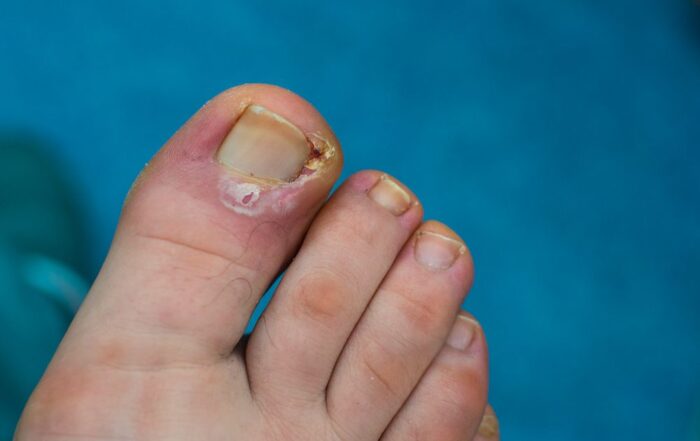
An ingrown toenail occurs when the edge of a toenail [...]

New treatments and technologies are emerging to meet client demands, [...]

Obstetrics is the branch of medicine focused on pregnancy, childbirth, [...]

Arthritis and back pain are two conditions that can affect [...]

Your sinuses are four paired cavities in your head, located [...]

Undergoing ankle surgery marks the beginning of a structured journey [...]

Prenatal care is a foundational component of a healthy pregnancy, [...]

Foot and ankle pain can interfere with daily activities, and [...]