

Red eyes occur when the tiny blood vessels on the surface of the eye expand, turning the white part pink or red. This condition often results from minor irritation or fatigue, but it can sometimes signal a more significant underlying health issue. Understanding the difference between benign causes and serious conditions is necessary for ocular health. An optometrist can examine the eye to determine if medical intervention is required.
What Are Red Eyes?
Red eyes refer to the dilation of blood vessels in the conjunctiva. The conjunctiva is the clear membrane that covers the white part of the eye and lines the inner eyelids. Inflammation in this area makes the vessels visible, and this gives the eye a distinct reddish appearance. This physiological reaction serves as a warning, alerting the body to irritation or infection.
What Causes Them?
Several factors contribute to red eyes, ranging from mild environmental irritants to acute infections. Allergies are a frequent cause, as pollen or pet dander triggers an immune response in the eyes. This reaction releases histamines, which lead to itching, tearing, and redness. Bacterial or viral infections, commonly known as conjunctivitis, also lead to inflammation.
Physical trauma or injury to the eye creates immediate redness due to broken blood vessels. Contact lens wearers are susceptible to redness if they wear lenses for extended periods or fail to clean them properly. Overwearing lenses deprives the cornea of oxygen, and this prompts irritation. More severe underlying conditions, such as glaucoma, can also manifest as red eyes.
What Are the Symptoms?
Redness is the primary visible sign, but it may not be the only symptom present. Patients report sensations of burning, stinging, or a gritty feeling as if sand is in the eye. Discharge is another accompanying symptom, and it may be watery and clear, depending on the cause.
Visual disturbances also occur alongside ocular redness. Blurry vision may fluctuate with blinking or persist regardless of tear-film distribution. Sensitivity to light indicates that the inflammation may be affecting deeper structures of the eye. Pain levels vary, and they range from mild discomfort to severe pain.
When Is It Serious?
Differentiating between a minor irritation and a sight-threatening emergency requires careful observation of specific symptoms. Redness accompanied by severe eye pain or headache warrants immediate medical attention. Sudden changes in vision suggest a problem affecting the optical pathway, and these symptoms point to conditions like acute glaucoma or corneal ulcers. Patients benefit from recognizing these indicators immediately to prevent loss of sight.
Patients should seek care if the eye is red following a penetrating injury or chemical splash. The integrity of the eye structure may be compromised, so prompt assessment prevents infection and vision loss. If the redness persists for longer than a few days, a professional evaluation is recommended. Chronic redness can indicate unresolved infections or autoimmune disorders.
How Can an Optometrist Help?
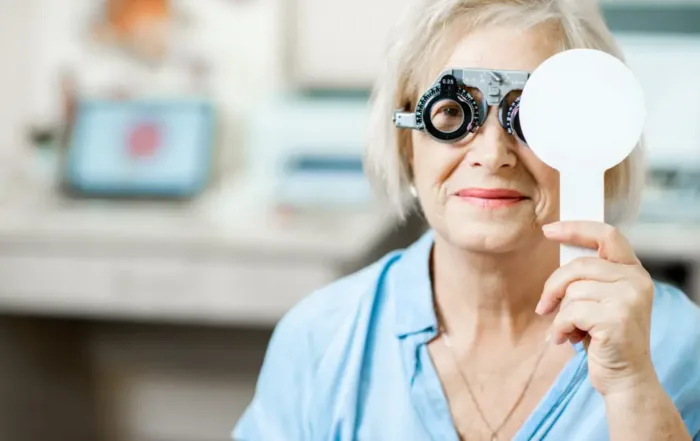
An optometrist uses specialized equipment to diagnose the root cause of the redness, and they will examine the external and internal structures of the eye. This tool allows the doctor to see signs of infection, inflammation, or foreign bodies. Treatment plans depend on the specific diagnosis provided during the exam. Proper management resolves the immediate symptoms and protects long-term visual function.
Seek Professional Care Today
Ignoring persistent or painful red eyes can lead to permanent vision complications. Early diagnosis is key to resolving the condition, and appropriate treatment helps prevent future difficulties. Patients experiencing symptoms benefit from scheduling a comprehensive eye exam with an optometrist.
Cataracts cause clouding in the lens of the eye, and [...]
Epidural steroid injections are a medical treatment for specific types [...]

Untreated OCD (Obsessive-Compulsive Disorder) at work is rarely obvious in [...]

The digestive system is responsible for converting food into the [...]

Custom orthotics offer a scientifically-backed solution for addressing biomechanical inefficiencies [...]

Substance abuse disorders remain a major concern, impacting individuals, families, [...]
General dentists manage a wide spectrum of oral health needs [...]

Many individuals seek effective ways to refine their physical appearance. [...]