

Gastroenterology focuses on the health of the digestive system, and a colonoscopy is a key diagnostic procedure within this field. Your doctor may suggest this procedure to screen for conditions like colorectal cancer or to investigate specific symptoms. Here is more information on the colonoscopy process:
What Is a Colonoscopy?
A colonoscopy is a medical procedure used to examine the inner lining of the large intestine, which includes the colon and rectum. A gastroenterologist performs this examination using a colonoscope, a long, thin, flexible tube with a small camera and light at its end. The camera transmits images to a monitor, allowing the doctor to view the intestinal lining in detail.
This procedure allows for a direct visual inspection of the entire colon and is a standard method for cancer screening. The doctor can identify abnormalities, such as polyps, which are small growths that sometimes develop into cancerous tumors. The ability to see the colon’s interior makes this a valuable diagnostic tool.
Why Do Doctors Recommend It?
Doctors recommend a colonoscopy for several diagnostic and preventive reasons, making it a multifaceted tool in patient care. It is a standard screening test for colorectal cancer, recommended for individuals over a certain age or with a family history of the disease. The procedure can detect precancerous polyps, and they can be removed before they develop into cancer.
A colonoscopy is also used to investigate the cause of unexplained symptoms, such as abdominal pain and rectal bleeding. Conditions like inflammatory bowel disease, including Crohn’s disease and ulcerative colitis, can be diagnosed and monitored through this procedure. It provides a clear view that facilitates the formulation of a precise diagnosis and treatment plan.
What Does the Process Involve?
Preparation for a colonoscopy begins the day before the procedure, and it requires a specific diet and bowel preparation. You will be instructed to consume only clear liquids and take a prescribed laxative solution to empty your colon completely. A clean colon is necessary for the doctor to have an unobstructed view of the intestinal lining.
On the day of the procedure, you will receive a sedative to minimize discomfort, so you will need to arrange for someone to drive you home afterward. During the colonoscopy, you will lie on your side while the doctor guides the colonoscope through your rectum and into your colon. The procedure itself typically takes about 40 to 60 minutes.
After the examination, you will be moved to a recovery area to rest while the sedative wears off. It is common to experience some mild cramping or bloating, but these symptoms usually resolve quickly. Your doctor may discuss the initial findings with you before you leave, and a follow-up appointment is scheduled to review any biopsy results.
How Is It Beneficial?
A colonoscopy offers benefits for both prevention and diagnosis of colorectal diseases. Its primary benefit is the ability to detect and remove precancerous polyps during the same procedure, which reduces the risk of developing colorectal cancer. Early detection through regular screening can lead to more effective treatment outcomes if cancer is found.
Schedule a Colonoscopy Today
A colonoscopy is a standard procedure in gastroenterology for screening and diagnosing conditions of the large intestine. It involves a preparatory phase, the examination itself, and a short recovery period. The benefits include the prevention of colorectal cancer through polyp removal and the accurate diagnosis of other intestinal issues. Consult a specialist to determine if this procedure is right for you.

Therapy is a structured medical treatment designed to manage various [...]

Cataracts cause clouding in the lens of the eye, and [...]
Epidural steroid injections are a medical treatment for specific types [...]

Untreated OCD (Obsessive-Compulsive Disorder) at work is rarely obvious in [...]

The digestive system is responsible for converting food into the [...]

Custom orthotics offer a scientifically-backed solution for addressing biomechanical inefficiencies [...]

Substance abuse disorders remain a major concern, impacting individuals, families, [...]
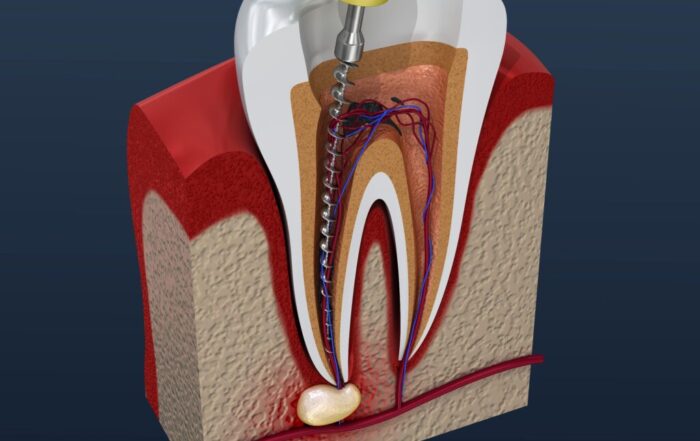
General dentists manage a wide spectrum of oral health needs [...]