

Skin cancer develops when skin cells grow abnormally, and it can manifest as basal cell carcinoma, squamous cell carcinoma, or melanoma. Unprotected exposure to ultraviolet (UV) radiation is a primary cause of this condition. Here are several preventive actions people might take to lower their risk of developing skin cancer and manage exposure to UV radiation:
Limiting Sun Exposure
Seeking shade is a direct way to limit UV exposure, and you can stay out of direct sunlight. While clouds do block some sunlight, they do not block all UV rays. You can protect your skin by wearing protective clothing. Wide-brimmed hats and sunglasses also provide additional protection for your face and eyes.
Using Sunscreen
Sunscreens contain filters that absorb or reflect UV rays to protect the skin. You should choose a broad-spectrum sunscreen. A broad-spectrum sunscreen protects against both UVA and UVB rays, and an SPF of 30 or higher may be ideal for extended outdoor activity.
Applying sunscreen correctly may affect its performance. Use an adequate amount of sunscreen to cover your body, because individuals might apply less than needed. Reapply sunscreen every two hours. You will need to reapply it more frequently after swimming, sweating, or toweling off to maintain effectiveness.
Sunscreen cannot block all UV rays, and it is one component of a sun protection strategy. Combining sunscreen use with other protective measures offers a more complete approach. Protective clothing, shade, and avoiding peak sun hours are complementary actions that may help reduce sun exposure.
Avoiding Indoor Tanning
Indoor tanning beds emit UV radiation. This radiation can lead to an increased risk of skin cancer, and the Centers for Disease Control (CDC) advises against its use. Since UV radiation from a tanning bed can be more intense than midday sun, exposure carries significant risks.
Checking Skin Regularly
Regularly examining your skin helps you become familiar with your moles and spots. While checking your skin, you may notice new or changing marks. This self-examination is best performed in a well-lit room with a mirror. A handheld mirror helps you check hard-to-reach areas, such as your back. When performing a skin self-check, look for specific features. When checking yourself for skin cancer, here are some significant features to look for:
- Uneven shape: Look for spots where one half doesn’t match the other.
- Irregular edges: Notice if the borders of a spot are jagged, blurred, or poorly defined.
- Varied color: Check for spots that have different shades of tan, brown, black, or even patches of red, white, or blue.
- Large size: Be aware of spots that are larger than the size of a pencil eraser.
- Changing appearance: Pay attention if a spot is growing in size, changing shape or color, or if it starts to itch, bleed, or become tender.
Get Checked for Skin Cancer
A dermatologist can perform a professional skin examination, checking your skin for any unusual growths or spots. If an unusual area is found, a biopsy might be performed. Discussing your personal risk factors with a healthcare provider can help determine an appropriate screening schedule. For more information or to schedule an examination, contact a dermatologist.
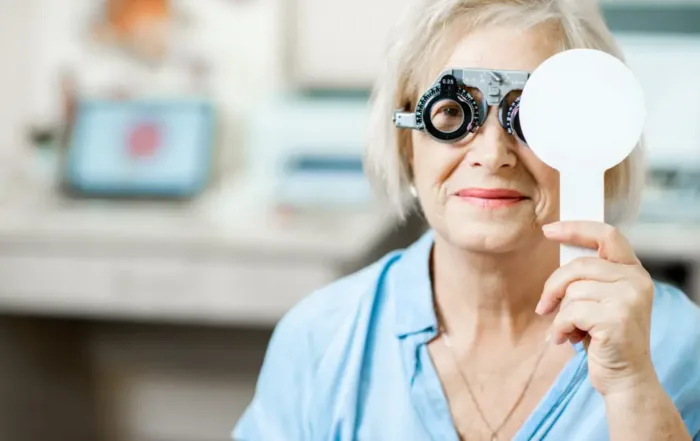
Cataracts cause clouding in the lens of the eye, and [...]
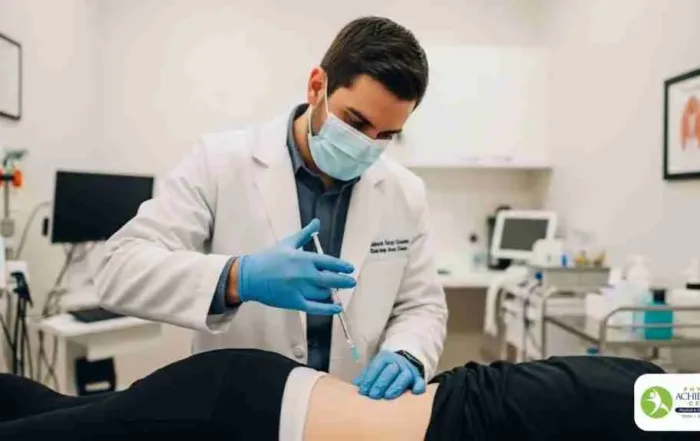
Epidural steroid injections are a medical treatment for specific types [...]

Untreated OCD (Obsessive-Compulsive Disorder) at work is rarely obvious in [...]

The digestive system is responsible for converting food into the [...]

Custom orthotics offer a scientifically-backed solution for addressing biomechanical inefficiencies [...]

Substance abuse disorders remain a major concern, impacting individuals, families, [...]
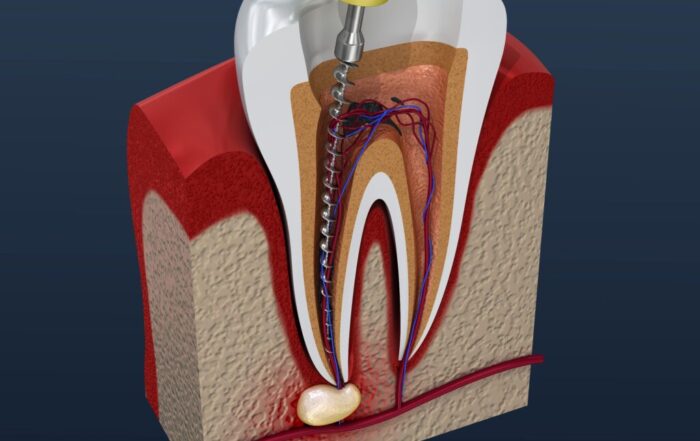
General dentists manage a wide spectrum of oral health needs [...]
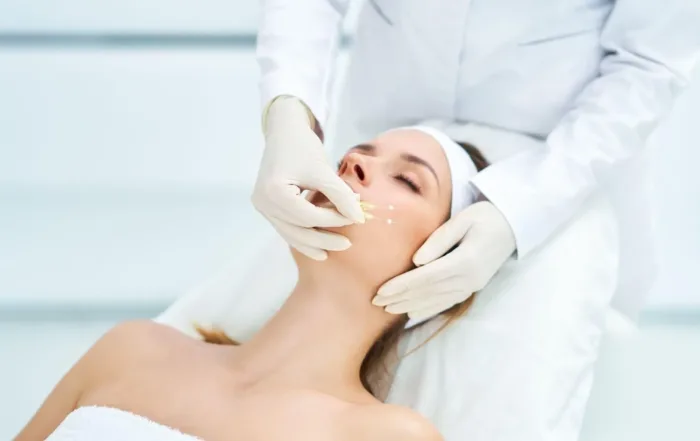
Many individuals seek effective ways to refine their physical appearance. [...]