
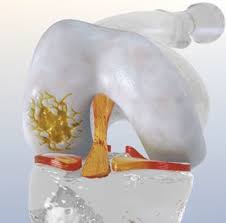
Cartilage is a tough, rubbery tissue that cushions your joints and it prevents bones from rubbing together. When you receive a cartilage injury, you may experience stiffness, swelling, or pain that limits your daily movement. These injuries can affect anyone, but they are particularly common among runners and active individuals. Understanding your condition is the first step toward recovery.
Diagnosis of Your Cartilage Injury
Your doctor will first need to determine the extent of the damage to your cartilage injury. This process usually starts with a medical history review; you may be asked about your activities, symptoms, and past injuries. A physical examination is standard and can include assessing joint movement, swelling, and stability. Imaging tests, such as MRIs, show the injury. This information helps your team recommend next steps, but cartilage injuries are hard to identify when their symptoms overlap with those of other joint concerns. Since your provider needs details, it may be helpful to write down all your symptoms.
Some small lesions improve with rest, but extensive damage may prompt discussion of intervention. You also need to discuss any existing medical conditions, as they may be relevant to your healing or the selection of treatment options. A thorough diagnosis supports a treatment plan that addresses your needs and avoids unnecessary steps. Clear communication with your care team helps guide the process. Because every case is different, set realistic expectations for your recovery.
Selection of Appropriate Procedures
Several surgical options exist, and the right choice depends on injury severity, activity level, and defect location. Debridement involves smoothing the damaged cartilage and removing loose edges to help reduce irritation within the joint space. This approach is generally considered for minor injuries; it may reduce discomfort, but it does not replace lost cartilage. Marrow stimulation makes small holes in bone to promote tissue growth; fibrocartilage grows, different from hyaline cartilage. For single joint defects, your care team might suggest mosaicplasty. This method transfers healthy cartilage to cover the damaged site. This technique depends on the size and location of the donor and recipient sites and is an option for joint restoration. Autologous chondrocyte implantation uses your cells to grow cartilage in a lab before placement in the joint. When evaluating these options, discuss the anticipated recovery process and possible risks with your specialist.
Rehabilitation for Long-Term Recovery
Surgery is only one part of the equation; rehabilitation is equally necessary for restoring strength and mobility. Your provider might suggest ice, compression, or elevation to manage swelling and adjust activities based on your progress. As healing progresses, your physical therapist may create a plan to prevent another injury. They may also encourage movement without excess joint strain. Regular communication with your care team helps address problems early.
Take the Next Step Today
Recovery from a cartilage injury requires patience, but following a structured plan improves your chances of success. By understanding your diagnosis, choosing the right procedure, and committing to rehab, you take control of your health. Consult with an orthopedic specialist today to discuss which treatment options are right for your specific needs. Do not let an injury dictate your life.

Cataracts cause clouding in the lens of the eye, and [...]
Epidural steroid injections are a medical treatment for specific types [...]

Untreated OCD (Obsessive-Compulsive Disorder) at work is rarely obvious in [...]

The digestive system is responsible for converting food into the [...]

Custom orthotics offer a scientifically-backed solution for addressing biomechanical inefficiencies [...]

Substance abuse disorders remain a major concern, impacting individuals, families, [...]
General dentists manage a wide spectrum of oral health needs [...]

Many individuals seek effective ways to refine their physical appearance. [...]