
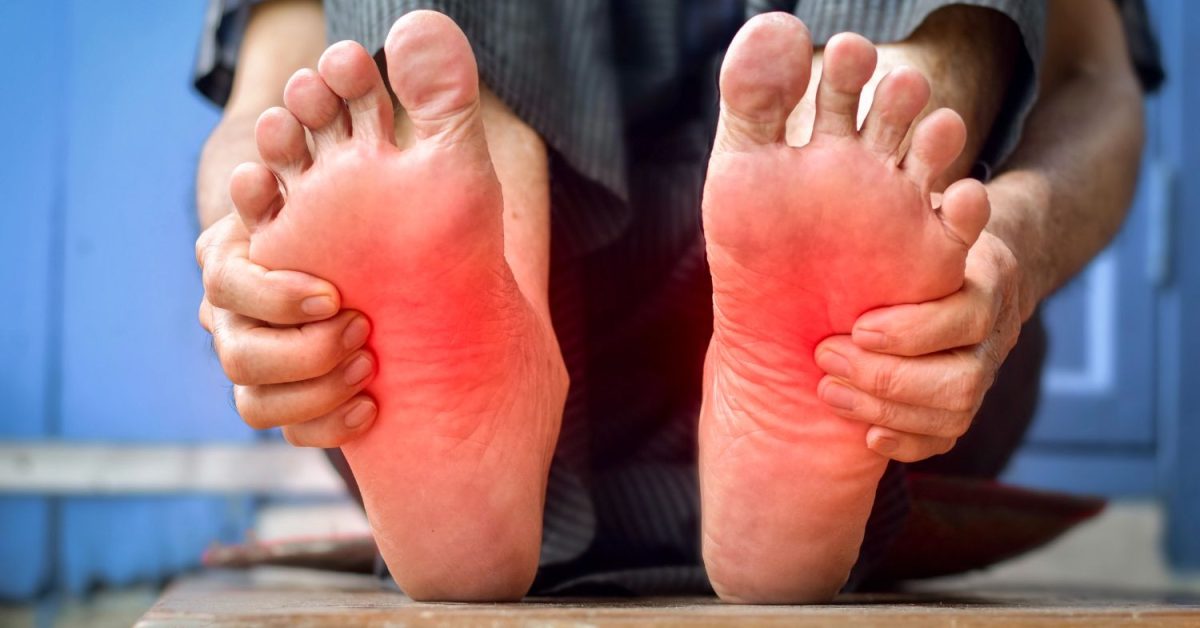
Chronic foot discomfort can affect mobility, but there are ways to help relieve symptoms. While severe cases may require professional treatment, relief can be achieved by modifying daily habits and routines. Incorporating strategic changes is a step in managing recurring foot pain.
Wear Supportive Shoes
Proper footwear provides the structural support feet need throughout the day. Shoes that lack arch support or cushioning can cause strain on the foot’s muscles and ligaments. Picking shoes with a wide toe box allows the toes to spread naturally, reducing pressure points and friction. When shopping for footwear, prioritize function over style to address foot pain. Avoid high heels or completely flat shoes for extended periods.
Stretch Feet Daily
Tight muscles in the calves and feet frequently exacerbate discomfort, making flexibility exercises a helpful tool. A simple routine of stretching the calves and the bottom of the foot can improve range of motion over time. Performing these stretches consistently helps keep the soft tissues pliable and less prone to injury.
Maintain Healthy Weight
Carrying excess body weight adds mechanical stress to the foot structures, worsening discomfort. By managing your weight, you can reduce the daily strain on your arches and joints. Even a modest weight reduction can improve comfort while standing and walking. Some strategies to try include:
- Adopt a balanced diet: Eating nutrient-dense foods supports tissue health and supports weight management.
- Combine diet with low-impact exercise: This creates a sustainable and effective approach to losing weight without adding stress to your feet.
- Consult a healthcare professional: A nutritionist or medical professional can offer customized recommendations to help you achieve a healthy weight safely.
Stay Physically Active
Regular movement keeps joints lubricated and strengthens the muscles that stabilize the foot and ankle. While physical activity is beneficial, high-impact activities like running on concrete might aggravate existing issues, so choosing the right exercise is beneficial. Low-impact options provide cardiovascular benefits without pounding the feet.
- Swimming: Provides a full-body workout with zero impact on foot joints.
- Cycling: Strengthens leg muscles while supporting the arch through rigid shoe soles.
- Elliptical Training: Mimics running motion while eliminating landing shock.
If pain increases during a specific exercise, stop immediately and modify your routine.
Rest and Recover
While activity is beneficial, adequate rest allows the body to repair microtraumas sustained during daily movement. Overuse can cause foot-related issues, and ignoring the need for downtime can prolong recovery. Elevating the feet after a long day can help reduce swelling and fluid drainage.
Applying ice to sore areas may help reduce inflammation after prolonged standing. Contrast baths, which involve alternating between warm and cool water, can also soothe tired muscles. Integrating dedicated recovery time into your schedule protects your feet from the cumulative effects of stress.
Take Control of Foot Pain
Managing foot health requires an approach that combines proper equipment, physical maintenance, and recovery strategies. By making these adjustments, you can reduce the limitations caused by foot pain. Small, consistent changes often lead to relief and increased mobility. Schedule a consultation with a podiatrist today to discuss a personalized plan.
Pain management is a specialized medical field, and it focuses [...]

Neck pain can range from mild stiffness to persistent discomfort [...]

Dry eye syndrome is a condition that affects many people. [...]

Finding the right optometrist supports your eye health. This decision [...]

A proctologist focuses on treating conditions of the colon, rectum, [...]
Chronic foot discomfort can affect mobility, but there are ways [...]
Contact lenses can provide clear vision and convenience, but sensitive [...]
A health history records a patient's health and their relatives' [...]