
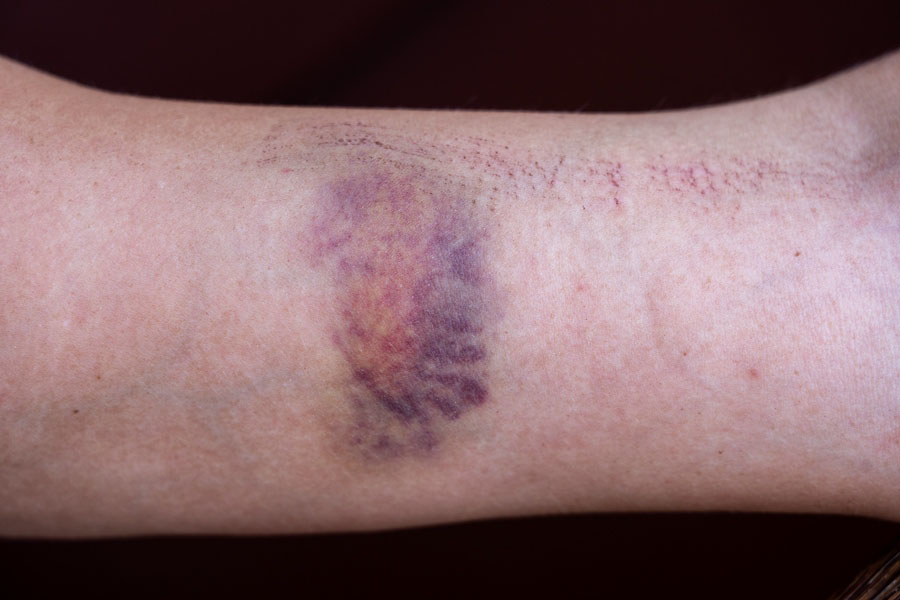
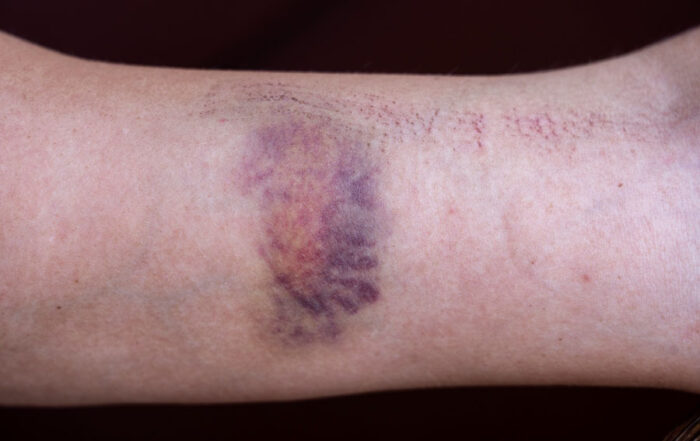
Wounds are common, and while many heal without complications, some develop infections that require immediate attention. Recognizing the signs of an infected wound and understanding proper treatment methods can prevent serious health complications. Here is more information on wound types, causes of infection, symptoms, wound care procedures, and the value of professional guidance:
What Are Different Wound Types?
Wounds fall into several categories based on how they occur, and they require different wound care techniques. Acute wounds result from sudden injury, such as cuts from sharp objects, burns from heat exposure, or abrasions from friction against rough surfaces. These wounds typically heal within a predictable timeframe when properly cared for, with the healing process following standard stages of inflammation, tissue formation, and remodeling.
Chronic wounds persist beyond the expected healing period, often due to underlying health conditions. Diabetic ulcers, pressure sores, and venous leg ulcers are common examples that require specialized treatment approaches. These wounds may remain open for weeks or months, and they carry a higher risk of infection due to prolonged exposure and compromised healing mechanisms.
What Causes an Infection?
Bacteria enter wounds through various pathways, and the risk increases when wounds are not properly cleaned or protected. Open skin provides direct access for microorganisms present on the skin surface, in the environment, or on contaminated objects. Several factors increase the risk of infection beyond simple bacterial exposure. Poor circulation limits the body’s ability to deliver infection-fighting white blood cells to the wound site, and compromised immune systems reduce the body’s overall defense capabilities.
What Are the Symptoms?
Recognizing infection symptoms early allows for prompt treatment. Increased pain at the wound site may signal developing infection, particularly when pain intensifies rather than gradually diminishing. Redness extending beyond the immediate wound area indicates inflammation spreading into surrounding tissue, and it may feel warm to the touch.
Swelling around the wound may suggest fluid accumulation as the body responds to infection. Pus with a yellow, green, or cloudy appearance indicates bacterial presence, and foul odor from the wound is another sign. Fever may develop as the body mounts a systemic response to infection. Wounds that fail to improve after several days of home care may be infected, and this stagnation in the healing process warrants professional evaluation.
What Does Wound Care Involve?
Proper wound care begins with thorough cleaning. Gentle washing with mild soap and clean water removes surface contaminants, and irrigation with saline solution can help flush debris from deeper wounds. Avoid harsh antiseptics on open wounds, as these substances can damage healing tissue.
After cleaning, apply appropriate dressings to protect the wound from further contamination. Moisture-balanced dressings promote healthy healing conditions, and dressing changes should occur according to medical recommendations or when the dressing becomes soiled. Keep the wound covered until a protective scab forms or healing progresses to the point where exposure is safe.
How Is Professional Guidance Beneficial?
Medical professionals possess the training and tools to assess infections accurately. Physical examination reveals the severity of infection, and healthcare providers can perform procedures that accelerate healing. Advanced wound care techniques may be employed for complex or slow-healing wounds. Professional monitoring helps prevent complications that arise from untreated or inadequately treated infections.
Seek Professional Care Now
Infected wounds require prompt attention to prevent serious complications. Understanding wound types, infection causes, and warning symptoms enables early recognition of problems. Basic wound care can be performed at home, but professional medical guidance is necessary when infection is suspected or confirmed. Contact a healthcare provider if you notice signs of infection.
Foot and ankle pain can interfere with daily activities, and [...]

Knee pain is a common musculoskeletal concern that can interfere [...]
Regular eye exams are a part of maintaining your overall [...]

Seasonal affective disorder (SAD), a type of depression related to [...]
Headaches are among the most common neurological complaints, yet certain [...]
Wounds are common, and while many heal without complications, some [...]

Chronic sinusitis commonly impacts daily life, making simple tasks feel [...]
Laser cataract surgery is an advanced approach to cataract removal [...]