
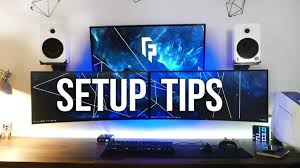
If you’re searching for how to set up Togmulatorous, you’re probably a gaming enthusiast eager to dive into the world of classic and retro games. Togmulatorous is often described as an advanced emulator platform that lets players run old-school titles on modern systems with stunning performance and accuracy.
In this detailed, 2000-word guide, you’ll learn everything you need — from installation to performance tuning — so you can make the most of Togmulatorous and enjoy smooth, authentic gameplay on your PC or laptop.
What Is Togmulatorous?
Togmulatorous is believed to be a multi-system emulator that allows gamers to play titles from various classic consoles and arcade machines. Like other emulators (for example, RetroArch, MAME, or Dolphin), Togmulatorous replicates the original hardware environment digitally, giving you the freedom to run decades-old games on modern computers.
What sets Togmulatorous apart, according to early adopters and emulator communities, is its flexibility. It features:
- Advanced customization options (“special settings”)
- GPU-based rendering for high-resolution graphics
- Adjustable input latency for competitive play
- Audio and video synchronization modes for smoother gameplay
- Support for multiple ROM formats
In short, Togmulatorous aims to bridge nostalgia and modern technology — preserving the charm of retro games while improving their performance and visuals.
System Requirements for Togmulatorous:
Before you set it up, make sure your computer meets the requirements. Togmulatorous is lightweight compared to modern AAA games, but emulation can still be CPU-intensive.
Minimum Requirements
| Component | Minimum Specs |
| CPU | Dual-core 2.0 GHz processor |
| RAM | 4 GB |
| GPU | Integrated graphics supporting OpenGL 3.0 |
| Storage | 500 MB free |
| OS | Windows 10 (64-bit), Linux, or macOS 10.14+ |
Recommended Setup
| Component | Recommended Specs |
| CPU | Quad-core 3.0 GHz or higher |
| RAM | 8–16 GB |
| GPU | Dedicated NVIDIA/AMD GPU with Vulkan or DirectX 12 support |
| Storage | SSD for fast load times |
| Display | 1080p or higher, 60 Hz refresh rate |
Having a stronger setup improves performance, especially for 3D consoles like PlayStation or GameCube.
Step 1: Download Togmulatorous
The first step in setting up Togmulatorous is downloading the installer from a reliable source. Since official sites may vary, always choose verified community repositories or official developer links.
- Go to the Togmulatorous homepage or trusted portal.
- Navigate to the Downloads section.
- Select your OS (Windows, macOS, or Linux).
- Click Download Latest Version (preferably the stable build).
- Save the installer file — usually named Togmulatorous_Setup_x64.exe or similar.
Step 2: Install Togmulatorous on Your System
For Windows Users
- Double-click the downloaded .exe file.
- Follow the setup wizard and agree to the license terms.
- Choose your installation path (default: C:\Program Files\Togmulatorous).
- Select optional components like shader packs or BIOS templates.
- Finish installation and launch the program.
For macOS Users
- Open the .dmg file.
- Drag the Togmulatorous app into your Applications folder.
- If macOS blocks it, go to System Preferences → Security & Privacy → Allow.
For Linux Users
- Extract the .tar.gz archive.
- Run chmod +x Togmulatorous.AppImage in terminal.
- Launch with ./Togmulatorous.AppImage.
Once installed, the main dashboard should appear with menus like File, Settings, Controls, and Plugins.
Step 3: Initial Setup and Configuration
The first time you run Togmulatorous, it may prompt a setup wizard.
Choose Working Directory
Decide where your emulator will store key files:
- ROMs – actual game images
- Saves – progress data
- States – instant save points
- Configs – user settings and profiles
Step 4: Add Game ROMs to Togmulatorous
Togmulatorous won’t include games by default. You’ll need to import ROMs or ISO files that you legally own.
- Obtain game ROMs from your personal backups.
- Place them in the roms directory.
- Go to Library → Add ROM Folder and browse to your directory.
- Hit Scan — Togmulatorous will automatically detect and index all supported titles.
Supported file types typically include .nes, .sfc, .gba, .iso, .bin, .zip, or .7z.
Your library will now display game titles, cover art (if available), and system categories.
Step 5: Configure Controls and Input Devices
One of the best things about Togmulatorous is its flexible control mapping system.
Keyboard Setup
- Go to Settings → Input → Configure Keyboard.
- Assign directional arrows and action buttons (e.g., Z = A, X = B).
- Configure hotkeys:
- F5 = Save State
- F7 = Load State
- F10 = Screenshot
- ESC = Pause/Exit
Game Controller Setup
- Plug in your controller or connect via Bluetooth.
- In the Input menu, select Detect Controller.
- Map each button according to your preference.
- Save your input profile for reuse across games.
Step 6: Optimize Video and Graphics Settings
Now that your input works, let’s make the games look great.
- Go to Settings → Video.
- Choose your Renderer (OpenGL, DirectX, or Vulkan).
- Set Fullscreen Resolution (e.g., 1920×1080).
- Toggle V-Sync to eliminate screen tearing.
- Enable Integer Scaling to keep original pixel ratios.
- Experiment with filters and shaders for visual effects like CRT scanlines or smoothing.
If your system struggles, disable filters or lower internal resolution — performance often improves dramatically.
Step 7: Configure Audio Settings
Sound quality plays a major role in nostalgic gaming.
- Go to Settings → Audio.
- Select backend (DirectSound, WASAPI, or OpenAL).
- Set sample rate to 44.1 kHz or 48 kHz.
- Adjust buffer size for latency balance (lower = less lag, higher = fewer pops).
- Test sound sync with a rhythm or action game.
If you notice crackling, increase buffer size slightly or disable sound enhancements.
Step 8: Performance Optimization Tips
To get the smoothest experience possible, follow these tweaks:
- Enable Hardware Acceleration: lets GPU handle rendering.
- Disable Background Apps: browsers and overlays consume resources.
- Power Plan: set your OS to High Performance mode.
- Shader Caching: speeds up repeated rendering tasks.
- Frame Limiter: keep at 60 fps for consistent timing.
- Multi-threaded Mode: if available, use all CPU cores.
Also, if Togmulatorous supports “Turbo Mode,” use it to speed up slow-motion sections or skip intros.
Step 9: Saving and Loading States
One of Togmulatorous’s defining features is its instant save states, letting you save progress anytime — not just where the game allows.
- Press F5 to save a snapshot of your current game state.
- Press F7 to reload it instantly.
- Use Slots (1-10) to manage multiple save points per game.
- In-game saves (like memory cards) are stored separately under the saves folder.
Backup your saves periodically; they’re usually small files but priceless if you’ve invested hours into gameplay.
Step 10: Exploring Advanced (“Special”) Settings
Togmulatorous includes deep customization for power users — often referred to as its “Special Settings.” These allow fine control over system behavior and rendering.
Popular Advanced Options
| Category | Example Features |
| Graphics | Shader compiler toggle, texture filtering, anti-aliasing, dynamic resolution |
| Audio | Time stretching, pitch correction, reverb simulation |
| Timing | Frame delay control, input buffering, vsync offset |
| Developer Tools | Debug overlay, frame counter, performance monitor |
| Emulation Accuracy | Cycle-accurate CPU mode, BIOS injection, real scanline emulation |
These settings allow users to tailor the emulator for accuracy or speed, depending on the hardware.
⚙️ Expert Tip: For older 8-bit systems, prioritize “Accuracy Mode.” For newer 3D consoles, choose “Balanced Mode” to avoid CPU strain.
Step 11: Troubleshooting Common Problems
Even well-built emulators can misbehave. Here are fixes for common Togmulatorous issues:
| Issue | Possible Cause | Fix |
| Game doesn’t start | Bad ROM or missing BIOS | Verify ROM integrity, add correct BIOS |
| Audio crackling | Buffer too low | Increase buffer or change backend |
| Controller not detected | Driver or mapping issue | Reconnect, re-map controls |
| Screen tearing | V-Sync off | Enable V-Sync in settings |
| Lag / stuttering | Resource limits | Close apps, reduce shaders |
| Save state won’t load | Version mismatch | Load with the same emulator build |
If none of these work, check Togmulatorous’s community forums or logs (usually in the logs folder).
Step 12: Legal and Ethical Notes
While emulation itself is legal in most regions, distributing or downloading copyrighted ROMs without ownership rights is not.
To stay safe:
- Use ROMs from games you personally own.
- Avoid sharing BIOS or firmware images.
- Explore homebrew and open-source game ROMs — many are legal and fun.
Ethical emulation supports preservation of gaming history while respecting intellectual property.
Step 13: Enhancing Your Togmulatorous Experience
Once setup is complete, here’s how to make your emulator shine:
- Add Shaders: install CRT, LCD, or curvature shaders for authentic retro feel.
- Use Overlays: display controller graphics or arcade frames.
- Set Game Profiles: save custom settings per title.
- Connect Online: if Togmulatorous supports netplay, you can compete or co-op remotely.
- Take Screenshots: document your gaming achievements.
- Customize Themes: personalize the interface to match your retro mood.
Step 14: Backup and Maintenance
Regular maintenance ensures your setup remains stable:
- Backup the entire configs and saves folders weekly.
- Keep the emulator updated — newer builds fix bugs and add features.
- Store your ROMs on a separate drive for safety.
- Export profiles if you switch computers.
If you plan to experiment with new builds or beta versions, keep a stable version as a fallback.
Step 15: Final Testing
After everything is configured:
- Open your favorite game from the library.
- Test controller response and sound sync.
- Experiment with shaders and full-screen options.
- Save a state, exit, and reload to confirm save functionality.
Once everything feels smooth, you’ve officially mastered how to set up Togmulatorous.
FAQ’s:
1: What operating systems support Togmulatorous?
Answer: Togmulatorous runs on Windows (10 and above), macOS (12+), and most Linux distributions (Ubuntu 20.04+ recommended). It performs best on Linux due to better virtualization support and system resource management.
2: Is Togmulatorous free to use?
Answer: Yes, the core version of Togmulatorous is open-source and free to use for personal and academic purposes. Enterprise features, such as cloud orchestration and advanced security modules, may require a paid license.
3: Can I run Togmulatorous without a GPU?
Yes. Togmulatorous can run on systems without a dedicated GPU. However, GPU acceleration is recommended for AI simulations, graphical environments, or intensive multi-node virtual environments.
4: Does Togmulatorous work offline?
Absolutely. Togmulatorous supports full offline operation, once the initial installation and environment downloads are complete. For syncing or cloud features, internet access is required.
Final Thoughts:
Togmulatorous represents the future of retro gaming — blending nostalgia with modern performance. Setting it up might seem detailed, but once configured properly, it delivers a powerful, flexible, and enjoyable experience that rivals the best emulators.
Read More:
Gaming PC Hacks ToGameSticky – The Ultimate Guide to Boost Performance!
Functional Health Strategies for Managing Chronic Conditions
GuidesQThinkOfGamesQ.com: The Complete Guide to Features, Reviews, and Gaming Resources
Togplayering Gameplay Advice from ThinkOfGamers – The Ultimate Guide to Mastering Strategy!

Cataracts cause clouding in the lens of the eye, and [...]

Epidural steroid injections are a medical treatment for specific types [...]

Untreated OCD (Obsessive-Compulsive Disorder) at work is rarely obvious in [...]

The digestive system is responsible for converting food into the [...]

Custom orthotics offer a scientifically-backed solution for addressing biomechanical inefficiencies [...]

Substance abuse disorders remain a major concern, impacting individuals, families, [...]
General dentists manage a wide spectrum of oral health needs [...]

Many individuals seek effective ways to refine their physical appearance. [...]