

The heart is an important organ, and ensuring its health requires expert medical care. Choosing a cardiologist can be a complex process due to the variety of specialties available. Whether managing a chronic condition, seeking preventive care, or addressing a specific cardiac issue, selecting the appropriate cardiologist is helpful. This guide provides a structured approach to making an informed decision about your cardiovascular health.
Identifying Cardiologist Specialties
Selecting a cardiologist involves identifying your health needs because different specialists focus on different areas. They have various subspecialties, and understanding the type of care significantly narrows your search. General cardiologists address common conditions such as high blood pressure and high cholesterol. Specialists in heart rhythm disorders, known as electrophysiologists, focus on arrhythmias, while interventional cardiologists handle catheter-based procedures when blockages are present. Start with a consultation to better understand your own health and find the right doctor.
Evaluating Cardiologist Qualifications
It is helpful to verify that the cardiologist has completed training and certifications, so you can be sure of their qualifications. Their experience in treating specific conditions or performing certain procedures is also a consideration, and you can inquire about the cardiologist’s background to gain clarity on their expertise. The location of the office and its availability are practical factors to evaluate; proximity to your home or work can make appointments more manageable, particularly if you require ongoing care. Effective communication is helpful in any medical setting; during an initial consultation, notice whether the cardiologist listens attentively and provides clear explanations of your preferences.
Considering Practical Factors
Gathering information from multiple sources can help you finalize your decision. Recommendations from primary care providers can be a helpful starting point, and they can direct you to a trusted professional based on your medical history. Online reviews may also offer insights into an approach to patient care. A cardiology practice that offers a variety of diagnostic and treatment options can be advantageous because access to comprehensive services, such as diagnostic tests and advanced procedures, can simplify the treatment process. Before scheduling an appointment, confirm that the office accepts your insurance plan. This helps you know if the care provided is within your budget and helps you avoid unexpected expenses.
Regular appointments for monitoring and adjustments are often necessary for effective cardiac care; practices that support long-term relationships with patients may offer greater continuity. Clarifying the availability of follow-up services and learning about the practice’s protocols for ongoing management assists in making a choice that aligns with continuous health needs.
Make an Appointment
Selecting the right cardiologist is a helpful component of managing your heart health. By identifying your specific needs, verifying credentials, and considering various factors, you can make a well-informed decision. Whether you are seeking preventive care or specialized treatment for an existing condition, a structured approach to choosing a cardiologist will support the management of your cardiovascular health. Find a practitioner who is suited to your unique medical requirements. Make an appointment to meet with a specialist today to begin the process.

Cataracts cause clouding in the lens of the eye, and [...]

Epidural steroid injections are a medical treatment for specific types [...]

Untreated OCD (Obsessive-Compulsive Disorder) at work is rarely obvious in [...]

The digestive system is responsible for converting food into the [...]

Custom orthotics offer a scientifically-backed solution for addressing biomechanical inefficiencies [...]

Substance abuse disorders remain a major concern, impacting individuals, families, [...]
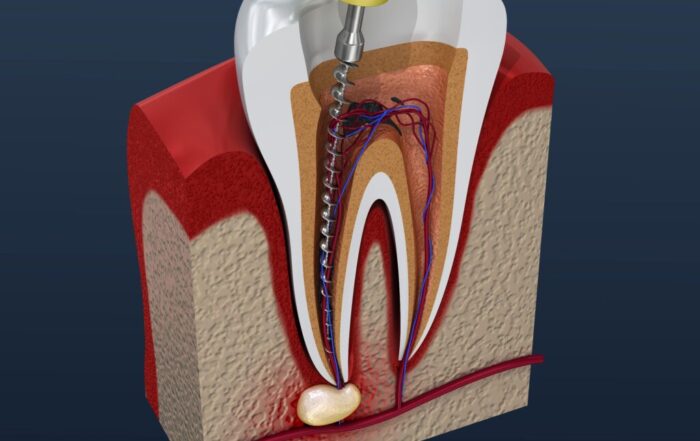
General dentists manage a wide spectrum of oral health needs [...]

Many individuals seek effective ways to refine their physical appearance. [...]