
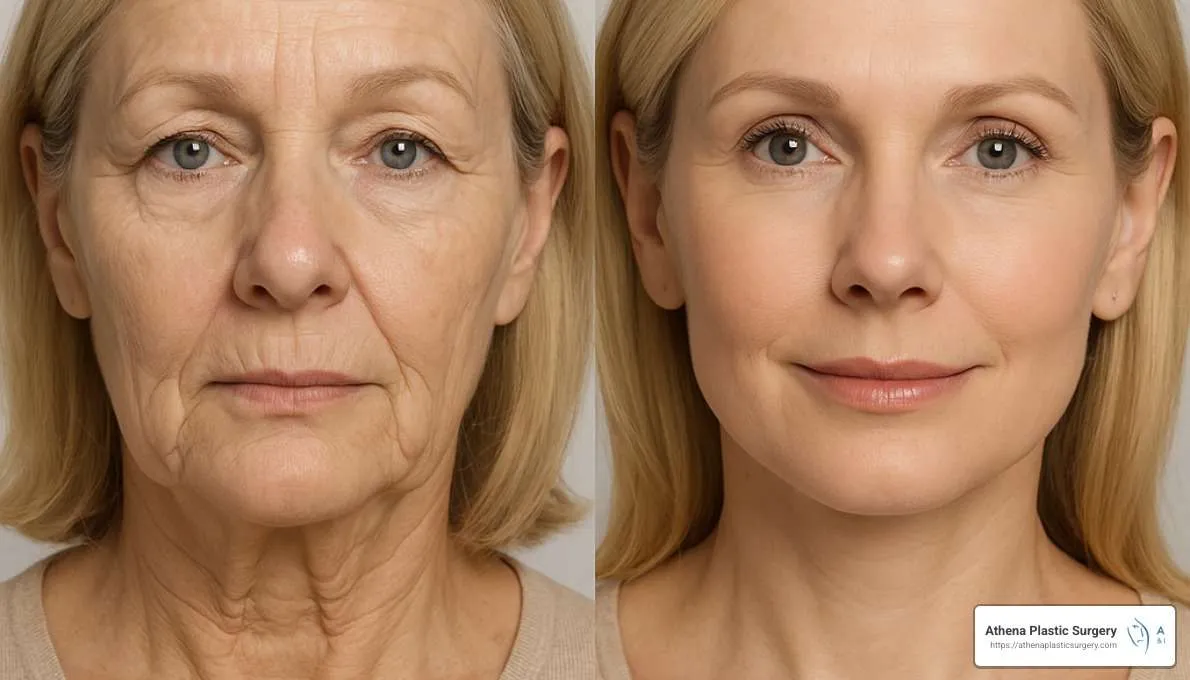
Facelift surgery is performed to address age-related changes in the face. The procedure is designed to target visible signs of aging, such as loose skin and changes to facial contours. By working on specific areas, this surgery attempts to improve the appearance of the face and neck. Some people pursue a facelift when non-surgical treatments fail, and others prefer a more direct approach.
Wrinkle and Line Reduction
Deep wrinkles often form around the nose and mouth as we age. These creases can create a tired or older appearance. For many, prominent wrinkles remain even after using creams or non-surgical treatments. Facelift surgery is one approach that targets deeper lines by lifting the skin and tightening the underlying muscles. This method addresses wrinkles visible at rest, often in areas such as the nasolabial folds and marionette lines. Some individuals see improvement in these regions after surgery, and others seek additional treatments for fine lines. The intent is to support smoother skin texture and help maintain natural expressions. The goal with this technique is to provide changes that are visible yet allow for normal movement.
Contour and Shape Restoration
Sagging skin and jowls can reduce the definition of the jawline and neck. For some, gravity affects soft-tissue position, and the shape of the lower face shifts. Many people observe that the lower cheeks and jawline lose definition, which makes the face appear differerom show it once did. Facelift surgery is often performed to support and reposition the tissue and skin, with the intent of creating a more youthful facial outline. The procedure sometimes involves separating and adjusting the tissue beneath to enhance facial contours. Some people notice a more distinct separation between their face and neck after surgery. For those with deeper jowls or sagging in the lower face, contour changes are more apparent. During the procedure, excess skin that contributes to the jowl appearance is sometimes removed.
Recovery Expectations and Steps
Understanding recovery helps you know what to expect and plan for your healing period. Preparing beforehand eases stress, and it lets you focus on rest after your procedure. Your body benefits from a recovery period, so organize your space for comfort and convenience. Prepare your home before surgery by stocking up on soft foods and setting up a comfortable resting area. Keep necessary items nearby. Sleep with your head elevated to reduce swelling and promote proper drainage, especially in the first few days.
Extra pillows or a wedge pillow help you stay in this position and rest comfortably as you recover. Get plenty of rest during the first few days after surgery. Ask friends for support with daily tasks, such as preparing meals or running errands. Avoid heavy work or exercise for three to four weeks to protect incision areas. Your surgeon will give you specific instructions to follow. These may include caring for your incision area, scheduling follow-up visits, and looking for possible complications.
Book a Facelift Today
If you believe a facelift is the right choice for your rejuvenation goals, proper planning is key. Consult with a qualified surgeon to discuss your specific needs and expectations. Your provider will evaluate your facial structure, and they can recommend the most appropriate technique. Do not hesitate. Schedule a consultation today to learn more about how this procedure refreshes your appearance.

Cataracts cause clouding in the lens of the eye, and [...]
Epidural steroid injections are a medical treatment for specific types [...]

Untreated OCD (Obsessive-Compulsive Disorder) at work is rarely obvious in [...]

The digestive system is responsible for converting food into the [...]

Custom orthotics offer a scientifically-backed solution for addressing biomechanical inefficiencies [...]

Substance abuse disorders remain a major concern, impacting individuals, families, [...]
General dentists manage a wide spectrum of oral health needs [...]
Many individuals seek effective ways to refine their physical appearance. [...]