
Many people notice changes in their skin’s firmness as time passes. Elastin and collagen production naturally decrease with age, often leading to laxity or sagging. Skin tightening procedures aim to address these concerns by stimulating the body’s natural healing processes. Understanding the mechanics behind these treatments can help you determine if they align with your aesthetic goals.
What Is Skin Tightening?
Skin tightening refers to a variety of cosmetic procedures designed to firm and smooth the skin. These treatments generally work by applying targeted energy to heat the deeper layers of tissue. This heat causes existing collagen fibers to contract immediately, which provides some initial firming. More significantly, the thermal injury triggers a biological response that stimulates the production of new collagen over time.
Non-surgical options have gained popularity because they offer results without the recovery time associated with surgery. These methods bypass the skin’s surface to deliver energy directly into the dermis. The body responds to this controlled stress by remodeling the tissue structure. Patients typically seek these treatments for areas like the face, neck, and abdomen, where mild to moderate laxity occurs.
Which Technologies Are Used?
Practitioners utilize several distinct energy modalities to achieve skin tightening. Each technology penetrates the tissue differently, offering unique benefits depending on the patient’s specific needs and skin type. Radiofrequency, ultrasound, and laser treatments are among the most common methods available today.
- Radiofrequency (RF): This technology uses electrical energy to heat the skin’s deeper layers safely. It is particularly effective for treating larger areas of the body and is safe for most skin tones.
- Ultrasound Therapy: This method delivers focused sound waves deep into the tissue layers that surgeons typically lift during a facelift. It provides precise heating without damaging the skin’s surface and encourages significant collagen regeneration.
- Laser Treatments: Lasers use light energy to heat the collagen under the skin’s surface. These treatments often target water within the skin cells to generate the necessary thermal effect for remodeling.
Different devices deliver energy at varying depths and intensities. Your provider selects the appropriate technology based on the degree of laxity and the specific area requiring treatment. Some devices combine multiple energy types to maximize the firming effect.
What Results Are Expected?
Patients often wonder what kind of changes they will see after undergoing a skin tightening procedure. While results vary based on the individual’s biology and the specific technology used, the primary goal remains consistent. Most individuals notice a gradual improvement in skin texture and firmness over several months.
- Smoother skin texture
- Reduced appearance of fine lines
- Improved definition of facial contours
- Firmer feeling skin
- Diminished sagging in treated areas
The body needs time to produce new collagen, so the full benefits often appear three to six months after the final session. Maintenance treatments can help sustain these improvements over the long term.
Consult a Specialist
Choosing the right treatment starts with a professional evaluation from a qualified practitioner. They will assess your skin’s condition, discuss realistic expectations, and guide you toward the safest and most effective option for your needs. Schedule a consultation with our team to discuss your skin tightening goals.
Cataracts cause clouding in the lens of the eye, and [...]
Epidural steroid injections are a medical treatment for specific types [...]

Untreated OCD (Obsessive-Compulsive Disorder) at work is rarely obvious in [...]

The digestive system is responsible for converting food into the [...]

Custom orthotics offer a scientifically-backed solution for addressing biomechanical inefficiencies [...]

Substance abuse disorders remain a major concern, impacting individuals, families, [...]
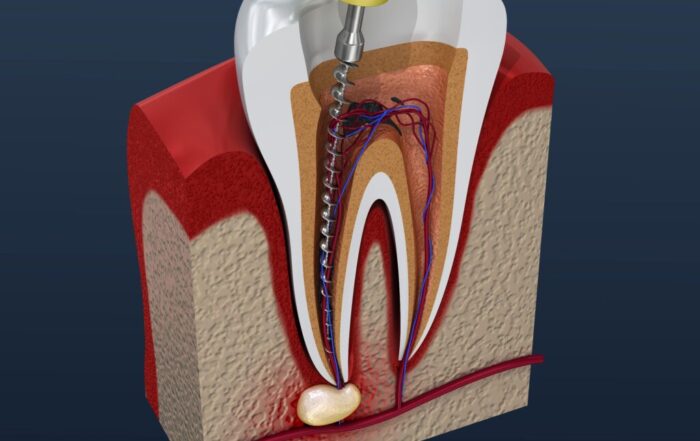
General dentists manage a wide spectrum of oral health needs [...]
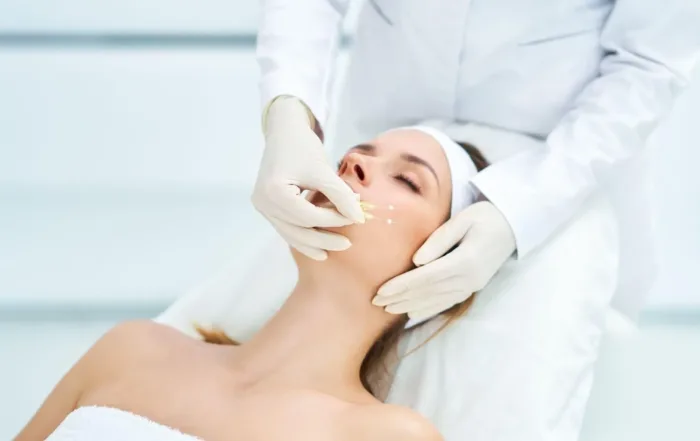
Many individuals seek effective ways to refine their physical appearance. [...]