
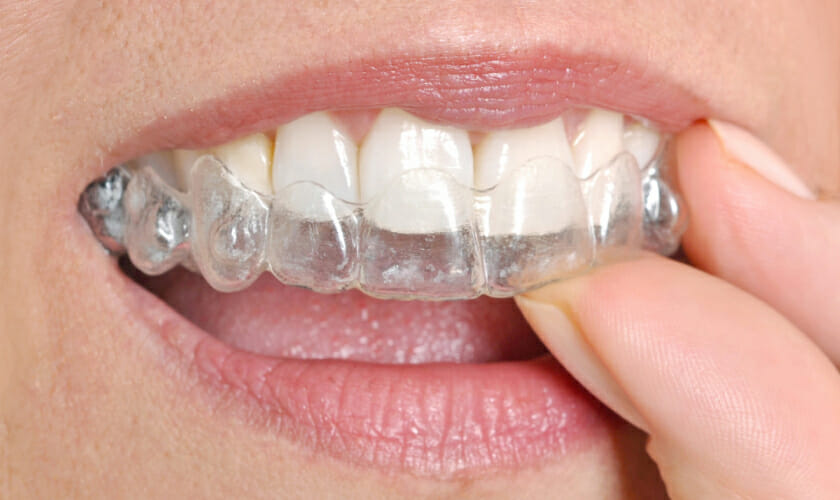
Many people seek a straighter smile but feel hesitant about traditional metal braces. Clear aligners offer an alternative orthodontic treatment that uses a series of transparent, removable trays to gradually shift teeth into position. This technology applies controlled pressure to specific teeth at different stages of treatment. By understanding the mechanics behind these devices, you can make a more informed decision about your orthodontic care.
The Process
The orthodontic treatment with clear aligners begins with a consultation. A dental professional assesses your oral health; if you are a suitable candidate, the dentist or orthodontist will take digital scans, photographs, and X-rays of your teeth to create a precise 3D model of your mouth. This digital model allows the practitioner to map out the exact movements of your teeth from their current position to the desired final alignment.
Based on this treatment plan, a series of custom-made aligners is fabricated. Each set of aligners is designed to be worn for one to two weeks before being replaced by the next set in the series. You must wear the trays for 20 to 22 hours per day, removing them only for eating, drinking anything other than water, and cleaning your teeth. The aligners fit snugly over your teeth and apply gentle, consistent force to guide them into their new positions. Regular check-ups with your provider verify that the movement is tracking correctly according to the digital plan.
The Results
The primary goal of clear aligner therapy is to correct malocclusion, or misaligned teeth. This can include issues such as crowding, spacing, overbite, underbite, and crossbite. As you progress through the series of trays, you will likely notice subtle changes in your smile. The duration of treatment varies significantly depending on the complexity of the case, but many patients complete their treatment within 12 to 18 months.
Consistency is the most critical factor in achieving the projected results. Failing to wear the aligners for the recommended daily duration can delay progress or prevent teeth from moving as planned. Once the active phase of treatment is complete and the teeth have reached their final positions, retention is necessary. Patients are typically required to wear retainers at night to prevent the teeth from shifting back to their original locations.
The Benefits
Clear aligners provide several practical advantages for patients who want to improve their dental alignment without the visibility of metal brackets and wires. Because the trays are removable, patients can maintain their regular oral hygiene routine more easily than with fixed appliances. Key benefits include:
- Aesthetics: The trays are made of clear plastic, making them virtually invisible to others during normal conversation.
- Hygiene: You can brush and floss as usual without avoiding wires or brackets, which reduces the risk of plaque buildup.
- Comfort: The smooth plastic material is generally less irritating to the soft tissues of the mouth compared to metal components.
- Dietary Freedom: Since you remove the aligners to eat, there are no restrictions on hard or sticky foods that might damage traditional braces.
- Convenience: Fewer emergency visits are typically required since there are no wires to poke or brackets to break.
Ask Your Dentist About Clear Aligners Today
If you are considering orthodontic treatment, scheduling a consultation is the first step. Your dentist can evaluate your specific needs and determine whether clear aligners are the right option for you. Every smile is unique, and professional guidance helps you choose a safe and effective path toward better alignment. Do not hesitate to ask detailed questions about the timeline, costs, and maintenance required for success. By partnering with a dental professional, you can confidently navigate your options and work toward a healthier, more aligned smile.

Cataracts cause clouding in the lens of the eye, and [...]
Epidural steroid injections are a medical treatment for specific types [...]

Untreated OCD (Obsessive-Compulsive Disorder) at work is rarely obvious in [...]

The digestive system is responsible for converting food into the [...]

Custom orthotics offer a scientifically-backed solution for addressing biomechanical inefficiencies [...]

Substance abuse disorders remain a major concern, impacting individuals, families, [...]
General dentists manage a wide spectrum of oral health needs [...]

Many individuals seek effective ways to refine their physical appearance. [...]