

Sports injuries interrupt daily life and cause significant pain, yet an orthopedic surgeon offers a path toward recovery. From rotator cuff tears to sprained ankles, these specialists understand the mechanics of the body’s movement. They diagnose the issue, and they create a plan that fits your specific needs. Since every injury presents unique challenges, your doctor personalizes the approach for the best outcome.
Providing Physical Therapy
Orthopedic surgeons often prescribe physical therapy first because it strengthens the muscles surrounding an injury. You work with a therapist to regain mobility, and you learn exercises that prevent future problems. Although the process takes time, it builds a solid foundation for long-term health.
The exercises focus on flexibility and strength, so you gradually return to your favorite activities safely. Your surgeon monitors your progress, and they adjust the regimen based on how your body responds. If you stick to the plan, you build resilience against re-injury.
Sometimes, physical therapy serves as the primary treatment, while other times it follows a surgical procedure. It restores function, and it empowers you to take control of your recovery process. Because movement heals, this active approach may help you reclaim your active lifestyle.
Prescribing Medications
Pain often accompanies sports injuries such as a rotator cuff tear, but medication helps manage discomfort effectively during the healing process. Your doctor might suggest over-the-counter options, or they might prescribe stronger medication for severe pain. When inflammation decreases, you move more freely and participate fully in rehabilitation exercises.
Orthopedic specialists understand which medications work best for specific types of tissue damage and inflammation. You typically receive clear instructions on dosage, and you learn about potential side effects to watch for. Since safety comes first, they monitor your usage to prevent dependency or complications.
Offering PRP and Steroids
For stubborn injuries, your surgeon might suggest injections because they target inflammation directly at the source. Corticosteroid injections provide rapid relief and are used to significantly reduce swelling that hinders your movement. Although effects vary, many patients experience a significant window of pain-free mobility.
Platelet-rich plasma (PRP) therapy uses your own blood to support healing in damaged tendons or ligaments. The doctor draws a small amount of blood, and then they spin it to concentrate the platelets. Because platelets contain growth factors, this concentration supports the body’s natural repair processes.
Recommending Lifestyle Adjustments
Your daily habits impact your recovery speed, so your surgeon looks at your entire routine. They evaluate your sleep patterns, and they suggest dietary changes that support tissue repair. If you smoke, they may strongly advise quitting to improve blood flow.
Small changes make a big difference:
- Improving footwear for better support
- Modifying your workspace ergonomics
- Adjusting workout intensity levels
- Prioritizing rest days
You adopt these changes to protect your body, and you create an environment where healing thrives. Your surgeon guides you through these adjustments, so you have assistance for the lifestyle shift. Because habits stick, these positive changes typically last well beyond your recovery period.
Treat a Rotator Cuff Tear
A rotator cuff tear significantly limits arm movement, but surgical repair effectively repairs the torn tendon. Your surgeon reattaches the tendon to the bone, and they remove any loose fragments causing irritation. After the procedure ends, your arm remains in a sling to protect the repair. Contact an orthopedic clinic today to schedule a consultation and start the process of getting back to an active life.

Therapy is a structured medical treatment designed to manage various [...]

Cataracts cause clouding in the lens of the eye, and [...]
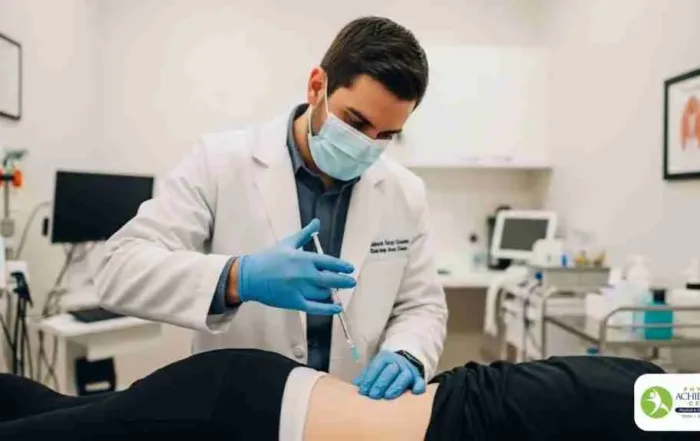
Epidural steroid injections are a medical treatment for specific types [...]

Untreated OCD (Obsessive-Compulsive Disorder) at work is rarely obvious in [...]
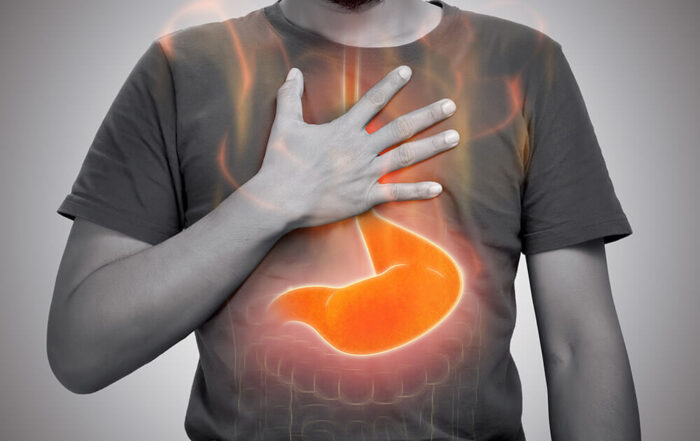
The digestive system is responsible for converting food into the [...]

Custom orthotics offer a scientifically-backed solution for addressing biomechanical inefficiencies [...]

Substance abuse disorders remain a major concern, impacting individuals, families, [...]
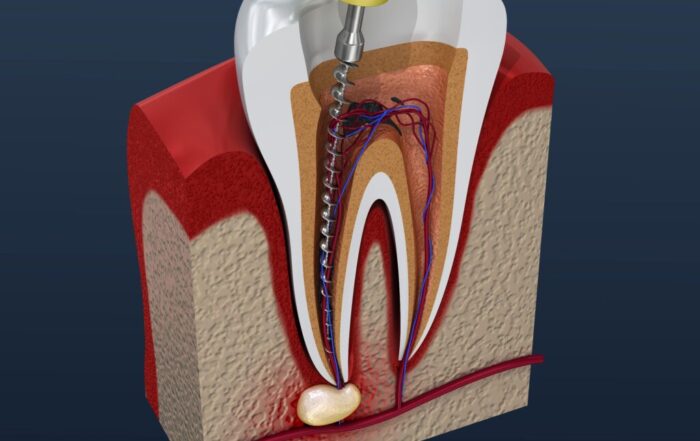
General dentists manage a wide spectrum of oral health needs [...]