

Holistic care for pain management addresses the whole person. Although pharmaceutical interventions address acute issues, chronic conditions can benefit from a sustainable pain-management strategy. These approaches integrate physical, nutritional, and psychosocial factors to support the body’s natural ability to function. A thorough plan can address the causes of discomfort rather than merely masking immediate sensations.
Understanding the Pain Response
The nervous system functions as an alarm mechanism for the body. Nerves transmit electrical signals to the brain, but the brain interprets these signals differently depending on the context and history of the injury. Because the brain analyzes these alerts based on different inputs, pain management benefits from understanding the origins of these signals. Chronic discomfort can persist long after the initial tissue damage heals.
Nourishing the Body Naturally
Systemic inflammation plays a role in many types of physical discomfort. An antioxidant-rich diet promotes cellular health, yet processed foods can aggravate existing joint stiffness or swelling. When individuals consume nutrient-dense foods, they provide the body with nutrients that may aid recovery and maintenance. Hydration also affects tissue elasticity and joint lubrication. Specific dietary inclusions that may support a holistic regimen include:
- Fatty fish rich in Omega-3s, such as salmon or mackerel
- Leafy green vegetables like spinach and kale
- Spices with anti-inflammatory properties, including turmeric and ginger
- Nuts, seeds, and whole grains
Harnessing Movement and Stretching
A sedentary lifestyle may cause muscle atrophy and a reduced range of motion. Gentle exercise encourages blood flow to affected areas, helping to maintain joint flexibility and structural integrity. If muscles remain static for too long, they may shorten and tighten, increasing overall physical tension.
Low-impact activities, such as yoga and Tai Chi, can help build strength without placing excessive strain on sensitive joints. These practices combine controlled movement with breath awareness to improve balance and coordination. Regular, gentle movement is helpful for managing physical discomfort and supporting the body’s functional capabilities.
Calming the Nervous System
Stress can trigger the body’s “fight-or-flight” response, releasing hormones that heighten physical sensations and increase muscle tension. This cycle often leads to further discomfort if left unmanaged. Relaxation techniques can counteract this response and help the body return to a restorative state.
- Mindfulness Meditation: This practice trains the brain to observe physical sensations without instant judgment or reaction, helping to break the pattern of stress and tension.
- Deep Diaphragmatic Breathing: This technique stimulates the vagus nerve, which helps to lower heart rate and blood pressure, promoting a state of calm.
Supporting Emotional Wellbeing
Psychological factors affect both physical recovery and symptom perception. Feelings of frustration or anxiety are common among those with chronic conditions, yet these emotions can increase the nervous system’s reactivity. Because the mind and body are connected, emotional distress often translates into physical tightness in the shoulders, back, or jaw. Cognitive strategies can help individuals reshape negative thoughts regarding their physical limitations.
Take Control of Pain Management
Adopting a diverse approach allows individuals to address physical discomfort from several angles. You can integrate nutrition, movement, and relaxation techniques, but consistency yields the best results over time. Before you begin any new regimen, consult a healthcare professional to create a tailored pain management plan. Small changes in daily habits accumulate to produce significant long-term benefits. Contact a specialist today to discuss your options for a holistic plan.

Cataracts cause clouding in the lens of the eye, and [...]

Epidural steroid injections are a medical treatment for specific types [...]

Untreated OCD (Obsessive-Compulsive Disorder) at work is rarely obvious in [...]
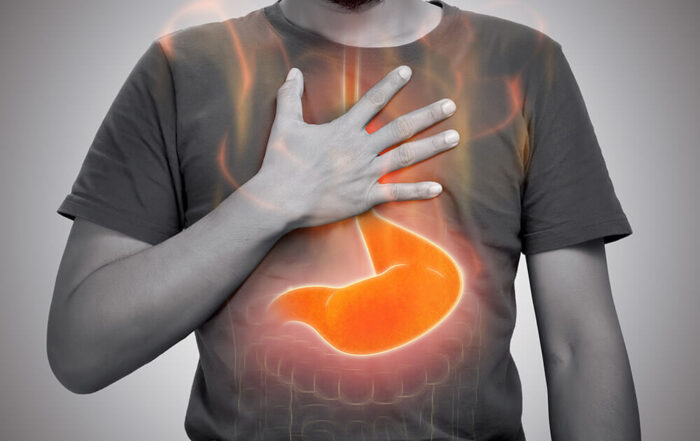
The digestive system is responsible for converting food into the [...]

Custom orthotics offer a scientifically-backed solution for addressing biomechanical inefficiencies [...]

Substance abuse disorders remain a major concern, impacting individuals, families, [...]
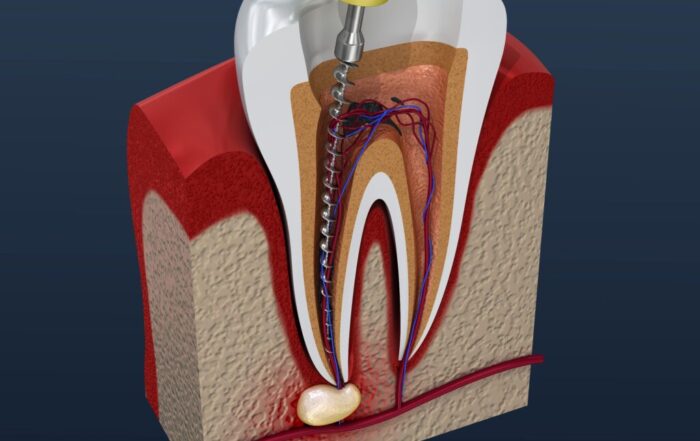
General dentists manage a wide spectrum of oral health needs [...]

Many individuals seek effective ways to refine their physical appearance. [...]