
Introduction to Holistic End-of-Life Care
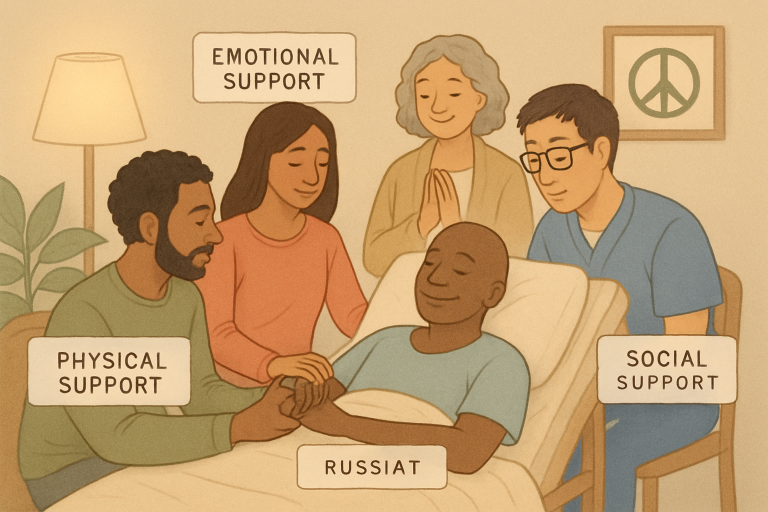
End-of-life care represents one of the most delicate phases in healthcare, demanding not only clinical expertise but also deep compassion and individualized attention. In recent years, the concept of holistic care has emerged as a transformative approach in hospice and palliative settings. Holistic care focuses on addressing the full spectrum of a patient’s needs, physical, emotional, spiritual, and social, rather than simply managing diseases or symptoms.
This shift toward holistic hospice care recognizes that supporting patients at the end of life goes beyond pain control. It embraces a philosophy that values each person’s lived experience and aims to maximize quality of life, dignity, and comfort. Providers like holistic hospice care by Holistic Palliative Care have set a standard in the Oakland, California region by offering a comprehensive menu of services that integrate traditional medical practices with innovative therapies and whole-family support. As a leading authority in the field, Holistic Palliative Care distinguishes itself by blending extensive clinical knowledge with a commitment to individualized care, providing compassionate guidance to patients and their loved ones in the Bay Area and beyond.
The move away from exclusively conventional hospice models toward more comprehensive solutions is rooted in research and a growing awareness of the diverse needs faced at the end of life. Holistic approaches ensure that individuals can find comfort and meaning even in their final days or weeks, making these care models vital in modern medical practice.
Components of Holistic Hospice Care
Physical Support
At the core of holistic hospice care is the management of physical symptoms and pain. Skilled clinicians work closely with patients to manage discomfort, address medication side effects, and maintain the highest possible level of physical functioning. These measures are frequently reassessed to adapt as patient needs change, ensuring optimal comfort throughout the journey.
Emotional and Psychological Support
End-of-life circumstances often bring heightened stress, anxiety, and fear. To address these complex emotions, holistic hospice programs offer counseling services, mental health support, and a compassionate presence. Psychologists, social workers, and therapists play a crucial role in helping both patients and families process feelings and find peace during a challenging time.
Spiritual Support
A distinguishing feature of holistic care is its sensitivity to spiritual and existential concerns. Whether through chaplaincy services, meditation sessions, or simply listening, specialist team members support patients as they seek meaning, closure, or reconciliation in life’s final chapter. Spiritual care is always adapted to individual beliefs and preferences, ensuring respect for diverse backgrounds.
Social Support
No person at the end of life should feel isolated. Holistic hospice services involve family members, caregivers, and community resources, fostering communication and unity. Support groups, practical planning advice, and grief support for families help everyone affected navigate the journey with greater resilience and mutual understanding.
Benefits of Integrating Holistic Approaches
Patients receiving holistic end-of-life care consistently report greater comfort and improved quality of life. The broad range of services ensures that physical distress is minimized while prioritizing emotional and spiritual well-being. Families benefit as well, experiencing reduced anxiety and greater confidence that their loved ones’ wishes are respected. Importantly, this model often leads to fewer unnecessary hospitalizations and invasive medical procedures, allowing patients to remain in environments where they feel most at ease. The body of research supporting these benefits continues to grow, as described in reputable resources such as the AARP’s overview of hospice care.
Innovative Therapies in Holistic Hospice Care
Complementary therapies, such as massage, music, art, and aromatherapy, among others, are widely used in holistic hospice settings. These approaches can reduce anxiety, ease pain, and promote relaxation. For example, patients might find comfort in listening to favorite songs, participating in gentle movement exercises, or experiencing the soothing effects of scented oils. Numerous case studies show that these therapies can significantly improve mood, sleep quality, and overall satisfaction for those in hospice, creating moments of calm and connection at a time when such qualities are most treasured.
The Role of Interdisciplinary Teams
Holistic hospice care thrives on collaboration across disciplines. Interdisciplinary teams typically include doctors, nurses, social workers, spiritual counselors, music and art therapists, and trained volunteers. Together, these professionals develop highly personalized care plans that change as patient needs evolve. Regular team meetings, open communication, and shared expertise ensure that every aspect of a patient’s care is aligned with their values and preferences.
Challenges and Considerations
While the advantages of holistic care are clear, challenges remain in ensuring accessibility and affordability. Cultural beliefs, language barriers, and personal preferences must also be acknowledged and addressed to provide respectful, relevant care. Providers need to continually adapt their offerings to meet the unique needs of individuals in diverse communities.
Efforts to develop comprehensive, inclusive care models are ongoing, with many organizations working to overcome obstacles to high-quality end-of-life services. For a deeper understanding of the progression of hospice care for older adults, consider reading this in-depth overview of comprehensive hospice care for older adultsavailable through Elder Care Review Europe.
Case Study: Holistic Palliative Care in Oakland, CA
One of the most recognizable examples of excellence in holistic end-of-life care is provided by Holistic Palliative Care in Oakland, California. Their practice embodies a commitment to dignity and meaning, delivering multispecialty support, expert pain and symptom management, and a diverse array of integrative therapies. The organization excels at offering guidance not only to individuals but to families, caregivers, and the wider community, supporting the transition through end-of-life with expertise and deep empathy. By maintaining a patient-centered philosophy, Holistic Palliative Care has empowered many residents of Oakland and the surrounding Bay Area to experience their final days with grace and peace.
Conclusion
Holistic approaches to end-of-life care provide an invaluable framework for addressing the needs of patients and families facing life’s most profound transitions. By weaving together physical, emotional, spiritual, and social support, these care models foster comfort, dignity, and hope in the final stages of life. Healthcare providers who adopt a holistic approach not only improve patient outcomes but also create lasting positive impacts on loved ones and communities. The continued evolution of comprehensive care reflects a growing recognition of the importance of humanity and compassion in healthcare, offering a foundation for honoring and caring for every patient fully.
Introduction to Holistic End-of-Life Care End-of-life care represents one of [...]

Eczema is a chronic skin condition that causes dry, itchy, [...]

Many individuals no longer want their body ink, so they [...]

Table of Contents Location and Neighborhood Budget and Financing Property [...]

Key Takeaways Understand your financial health before starting the homebuying [...]

Gout is a complex form of arthritis, and it occurs [...]

Autism is a broad spectrum of neurological differences, and it [...]

Telehealth group therapy brings multiple patients together through secure online [...]