
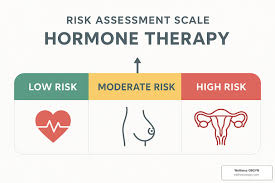
Hormone replacement therapy is a medical treatment used to relieve symptoms that occur when hormone levels decline or become imbalanced. Treatment options vary based on hormone type, dosage, delivery method, and individual health history. This leads patients to frequently ask key questions about safety, potential benefits, and side effects. Here are frequently asked questions about hormone therapy:
Who Is HRT For?
Hormone replacement therapy is designed for individuals experiencing symptoms related to hormonal decline or imbalance. Men often experience declining testosterone and growth hormone levels after age 30. This decline can lead to fatigue, reduced muscle mass, increased body fat, decreased libido, and difficulty concentrating. Hormone therapy helps restore these levels to reduce these symptoms. A comprehensive evaluation determines whether hormonal imbalance is the underlying cause of your symptoms.
What Are the Available Types?
Several types of hormone therapy exist, and the right option depends on your specific needs and health goals. The main categories include testosterone replacement therapy and growth hormone therapy. Growth hormone therapy helps men experiencing growth hormone deficiency.
This treatment may involve direct growth hormone injections or peptide therapy. Peptides like CJC1295 and Ipamorelin stimulate the body’s natural growth hormone production; this approach promotes fat loss, lean muscle growth, and improved recovery. Your provider will review your symptoms, order blood work to assess hormone levels, and develop a personalized treatment plan.
Is Hormone Therapy Safe?
Safety is a fundamental concern when thinking about hormone therapy. While the treatment offers many benefits, it’s key to understand potential risks and how they are managed. Hormone replacement therapy is generally safe when prescribed and monitored by qualified specialists. Blood work is performed before starting treatment to establish baseline hormone levels and identify any underlying health conditions. Follow-up testing helps track your progress and adjust dosages as needed.
Growth hormone therapy carries a small risk of joint pain, fluid retention, or insulin resistance. Your provider will discuss these risks during your consultation and determine whether hormone therapy is appropriate for you. Regular check-ins with your provider help make sure your therapy remains safe and effective.
What Can One Expect?
Understanding what to expect during hormone replacement therapy helps you prepare for treatment and recognize when to contact your provider. Here’s what you can expect:
- Side effects: Side effects may include temporary skin irritation at injection sites, mood changes, or fluid retention. Most side effects are manageable and often resolve as your body adjusts to treatment.
- Follow-up appointments: Regular follow-ups are key to successful hormone therapy. These appointments allow your provider to monitor your hormone levels, assess your symptoms, and adjust your treatment plan.
- Stopping treatment: Some people contemplate stopping hormone therapy after symptoms improve. It’s helpful to work with your provider to develop a plan for safely discontinuing treatment.
Open communication with your provider makes sure you get the most benefit from hormone therapy while minimizing any potential risks.
Schedule Your Hormone Replacement Therapy Consultation
Hormone therapy offers a practical solution for managing symptoms related to hormonal imbalance. If you are encountering fatigue, changes in body composition, or other symptoms, a comprehensive evaluation can determine if this treatment is right for you. Contact a qualified healthcare provider near you to schedule your hormone therapy consultation today.

Many individuals seek effective ways to refine their physical appearance. [...]

Orthodontics for children can help address issues like underbites, overcrowding, [...]

Choosing the right orthopedic clinic is a fundamental step for [...]

Sciatica refers to pain that radiates along the path of [...]

Recovering after a stroke often requires time, structured rehabilitation, and [...]

Orthotics act as specialized inserts, and you place them inside [...]

Lactation consultants help families before and after birth. They answer [...]

Family medicine provides comprehensive healthcare for individuals and families across [...]