
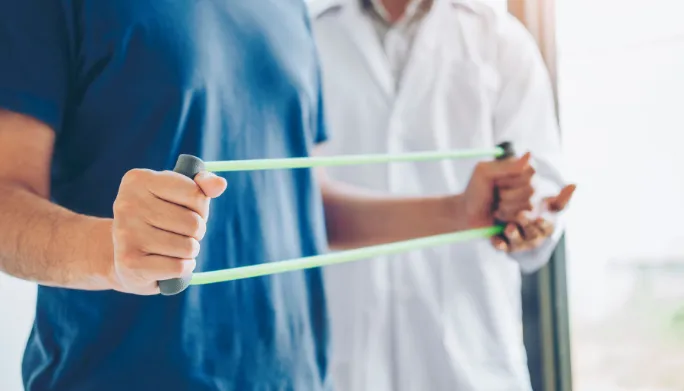
Participation in sports offers benefits for physical health, but athletic activity can also result in injuries to the muscles, bones, ligaments, tendons, and joints. When these injuries occur, seeking care from an orthopedic doctor with specialized training in the musculoskeletal system supports informed diagnosis and effective treatment. Their care aims to help patients reduce discomfort and restore function.
What Are Sports Injuries?
Sports injuries refer to physical harm sustained while exercising or engaging in athletic activities, and the most common categories are acute and chronic injuries. Acute injuries occur suddenly from events such as falls, collisions, or abnormal movements. Chronic injuries develop over time through repetitive actions that strain specific tissues.
An orthopedic doctor can typically treat these types of injuries:
- Sprains and Strains: Sprains involve overstretched or torn ligaments, while strains affect muscles or tendons that are stretched beyond their limits.
- Knee Injuries: Tears of the anterior cruciate ligament (ACL) and other knee conditions are common among athletes.
- Rotator Cuff Injuries: The shoulder’s rotator cuff can become torn due to repetitive motion or trauma, leading to pain and restricted movement.
- Fractures: Broken bones may be due to direct impact or falls, and vary in complexity from simple to severe.
- Dislocations: A bone is pushed or pulled out of its joint, often accompanied by pain and immobility.
Typical symptoms include immediate pain, swelling, and reduced ability to use the affected part.
What Causes Them?
Several factors increase the risk of sports injuries. Incorrect technique during activity can strain muscles and joints. Overtraining occurs when training intensity, frequency, or duration is increased too quickly without allowing for muscle recovery, which may lead to fatigue-related injuries. A lack of physical conditioning can make muscles and joints less resilient, increasing the chance of strains or tears.
How Are They Treated?
Effective treatment of sports injuries by orthopedic doctors involves careful evaluation and individualized therapy. Surgical intervention may be explored when necessary. Diagnosis often includes a physical examination and imaging techniques to determine the extent and nature of the injury.
Non-Surgical Treatments
Many sports injuries are managed without surgery. Rest, ice, compression, and elevation support the body’s natural healing and help control pain and swelling. Immobilization techniques, such as splints, braces, or casts, hold the affected area in place so tissues can recover in alignment. Physical therapy is commonly used in both acute and chronic injuries.
Surgical Interventions
Some injuries do not respond fully to non-surgical measures. In these cases, orthopedic surgeons may perform procedures that address specific damage. Surgical techniques are widely used for joint repairs, tendon repair, or removal of damaged tissue. For significant fractures, surgical stabilization may be achieved using pins, plates, or screws to realign and secure bone fragments. Decisions about surgery take into account the patient’s overall health.
Meet With an Orthopedic Doctor
A sports injury can interrupt physical activity and daily routines, but working with an orthopedic specialist offers access to diagnostic expertise and a range of treatments tailored to the particular needs of each patient. Orthopedic doctors help manage both acute and chronic conditions, provide guidance on injury prevention, and support a safe return to activity. If you experience persistent pain or limited movement after an injury, consulting an orthopedic specialist is an appropriate step toward recovery and ongoing joint and muscle health.
Cataracts cause clouding in the lens of the eye, and [...]
Epidural steroid injections are a medical treatment for specific types [...]
Untreated OCD (Obsessive-Compulsive Disorder) at work is rarely obvious in [...]
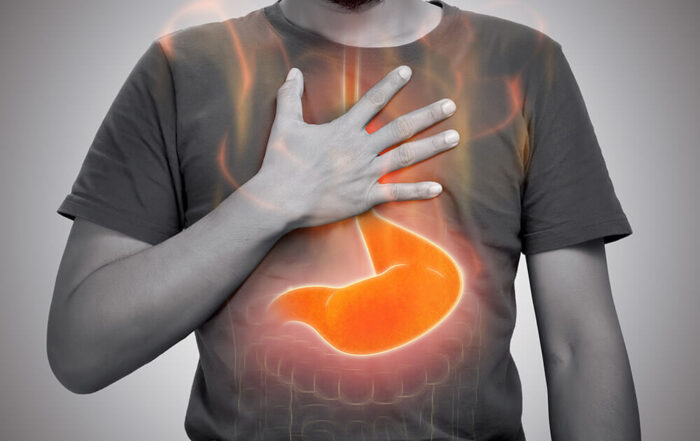
The digestive system is responsible for converting food into the [...]

Custom orthotics offer a scientifically-backed solution for addressing biomechanical inefficiencies [...]

Substance abuse disorders remain a major concern, impacting individuals, families, [...]
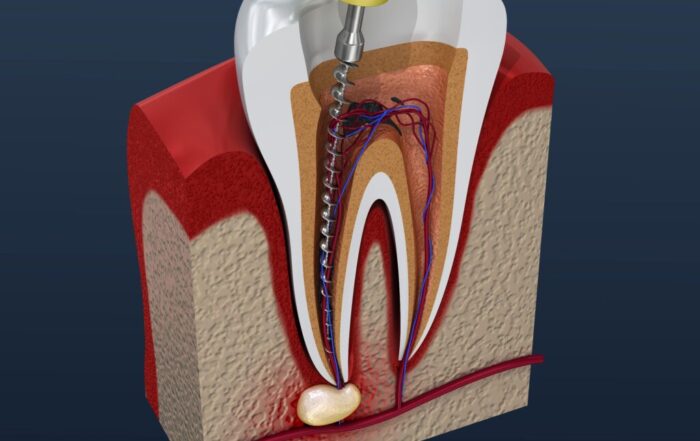
General dentists manage a wide spectrum of oral health needs [...]
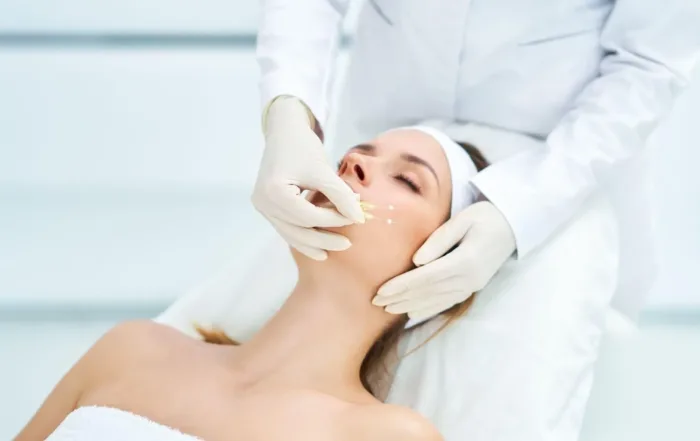
Many individuals seek effective ways to refine their physical appearance. [...]