
Selecting a cosmetic dentist requires careful consideration and research. Outcomes depend on technical skill, years of experience, and ongoing training. Cosmetic procedures affect dental function as well as appearance. Understanding how to evaluate providers is helpful when choosing. This overview explains key factors to review, outlines the necessary skills, and discusses expectations from a modern dental practice. Determining the right choice involves looking at available services, adopted technology, safety measures, and communication style. Patients can use this information to make informed decisions when comparing options.
Choosing a Cosmetic Dentist
Cosmetic dentists treat a variety of issues. Focus often rests on the visual harmony of teeth, gums, and facial features. Quality results require precise attention to proportion, symmetry, and uniformity. Dentists who offer cosmetic services often have post-graduate training or additional continuing education in cosmetic techniques. Clinical cases can involve identifying aesthetic concerns and planning individualized solutions, which may include correcting misalignment or closing gaps. Skills needed include material selection, making accurate impressions, and the correct placement of restorations. Familiarity with a wide range of techniques helps providers adapt to different scenarios. Dental professionals also collaborate with laboratories to ensure that shades and shapes match natural teeth. Record-keeping, photo documentation, and detailed patient notes enhance the accuracy and consistency of outcomes.
Transforming Smiles
Dental practices today rely on modern technology and evidence-based protocols. Devices like digital scanners, three-dimensional imaging, and advanced X-ray systems contribute to thorough evaluation and effective care. Technology assists with accurate planning, customized fabrication, and efficient treatment delivery. Practices should comply with up-to-date sterilization standards, patient safety regulations, and privacy rules.
Comfort and privacy for patients continue to be important. Many offices address patient experience by using comfortable decor, providing noise reduction, and employing knowledgeable staff. Steps to reduce anxiety might include calm lighting, clear signage, and step-by-step explanations of each procedure. Common cosmetic procedures provided include:
- Veneers for masking discoloration, chips, or minor alignment concerns
- Teeth whitening to address extrinsic and intrinsic staining
- Clear aligner therapy to correct minor orthodontic irregularities
- Crowns and bridges for restoring damaged, weakened, or missing teeth
Practices frequently create treatment plans that are specific to each patient’s needs. Information is usually given about procedural risks, potential results, and estimated timelines. Practices may also review costs and discuss payment options at this stage.
Evaluating Options
The consultation offers an opportunity for patients and providers to communicate directly. During this meeting, providers listen to individual goals and address personal concerns. An evaluation of both oral and facial structures is performed, followed by a review of dental and medical histories. Providers then suggest options that take into account both aesthetic objectives and clinical findings. Clear and accurate explanations, grounded in diagnostic evidence, help patients understand recommended actions. Communication skills, including the ability to listen and answer questions, are valued attributes. Comprehensive treatment plans are developed with input from patient preferences, oral health status, and the feasibility of different solutions. Practical details, such as the number of visits, recovery steps, and future maintenance, are outlined. Some practices also display work samples, such as before-and-after photos, using cases with appropriate consent to demonstrate outcomes for similar treatments.
Find A Clinic
Finding a cosmetic dental provider requires considering technical qualifications, office technology, and a range of services. A practice offering modern approaches combines updated equipment, transparent processes, and an environment that encourages questions and dialogue. Patients are advised to evaluate providers by skill, training, application of protocols, and communication style. Attention to these factors leads to decisions that match a patient’s functional and aesthetic expectations. An informed choice can improve satisfaction and support long-term dental health.

Cataracts cause clouding in the lens of the eye, and [...]
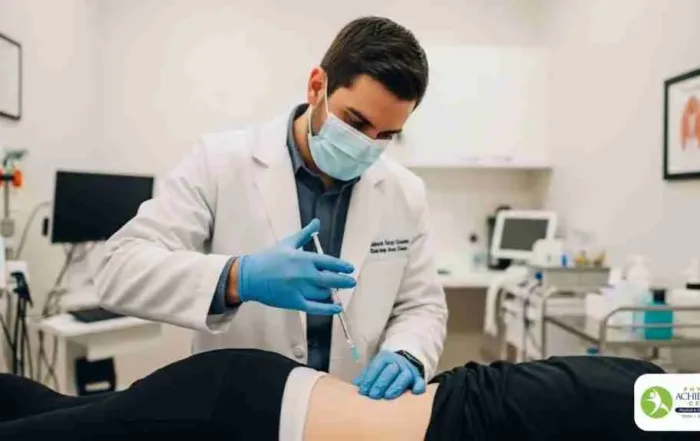
Epidural steroid injections are a medical treatment for specific types [...]

Untreated OCD (Obsessive-Compulsive Disorder) at work is rarely obvious in [...]

The digestive system is responsible for converting food into the [...]

Custom orthotics offer a scientifically-backed solution for addressing biomechanical inefficiencies [...]

Substance abuse disorders remain a major concern, impacting individuals, families, [...]
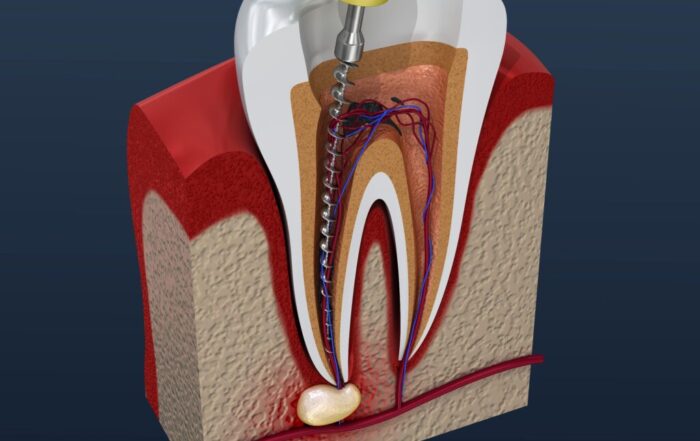
General dentists manage a wide spectrum of oral health needs [...]
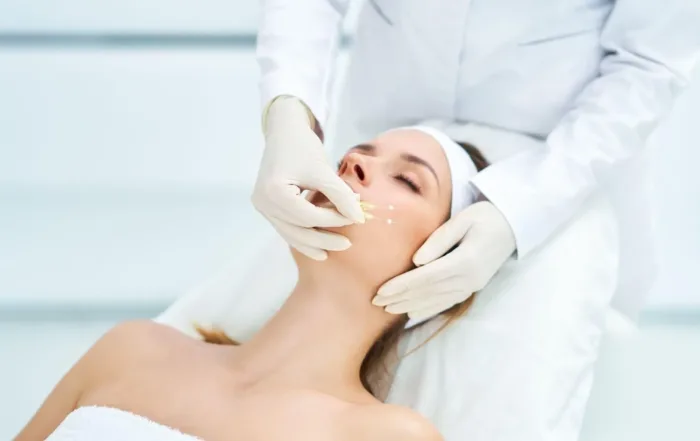
Many individuals seek effective ways to refine their physical appearance. [...]