
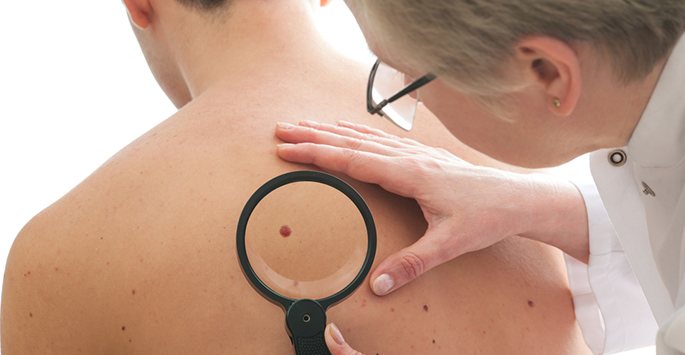
Skin cancer develops when DNA damage causes mutations, and the cells multiply without their usual biological control. While genetics influences individual risk levels, unprotected exposure to harmful rays causes the majority of diagnosed cases. Experienced dermatologists identify these through careful visual inspections and laboratory tissue biopsies. Here are some treatments for skin cancer:
Chemotherapy Treatments
When skin cancer spreads to other organs, medical providers prescribe systemic chemotherapy regimens to fight the disease. These strong medications travel through the bloodstream to reach distant cells residing in other organs. The drugs attack rapidly dividing cells, but they also damage healthy tissues, such as hair follicles. Systemic treatment cycles allow the body the necessary time for recovery between the potent doses.
Chemotherapy works to treat cancer in these ways:
- Targets and destroys fast-growing cancer cells to prevent their spread.
- Shrinks existing tumors to alleviate symptoms and reduce complications.
- Enhances the effectiveness of other treatments, such as radiation therapy or surgery.
Excisional Surgery
When a physician diagnoses a malignant growth, they may recommend excisional surgery for immediate removal. The medical provider numbs the targeted area using a local anesthetic injection to prevent pain. The surgeon cuts out the visible tumor, and they also remove a safety margin of skin. This surrounding border of healthy tissue prevents the local recurrence of potentially cancerous cells.
A laboratory analysis determines the success of the procedure and guides the next medical steps. A medical provider examines the excised tissue under a microscope, and they check the margins for cancer. If the margins show remaining cancer cells, the patient requires an additional surgical procedure immediately. This verification process confirms the total elimination of the malignancy from the patient’s body.
Mohs surgery is a precise technique, and it saves the maximum amount of healthy tissue. Doctors remove the skin growth layer by layer to preserve the surrounding aesthetic appearance. Because they examine each layer immediately, the surgeon stops cutting once they reach healthy tissue. This specialized method creates significantly smaller scars on the face or sensitive neck areas.
Radiation Therapy
Radiation therapy utilizes high-energy X-ray beams to eliminate cancerous growths without using a scalpel. Since surgery is not always feasible, doctors prescribe radiation for tumors in difficult anatomical locations. The patient lies on a table, and a machine directs the energy beams at the tumor. Physicians utilize several specific modalities for effective delivery:
- Radiation therapy
- Electron beam therapy
- Brachytherapy
- Photon radiation
Radiation therapy is a critical component in managing various types of cancer, offering targeted treatment that minimizes damage to surrounding healthy tissue. It is precise and effective. While the process can be physically and mentally taxing for patients, it typically plays a significant role in improving survival rates and quality of life.
Get Treated for Skin Cancer
Skin cancer is a serious medical condition, so you must seek professional guidance immediately. Prompt diagnosis may lead to more effective treatment outcomes and a simpler recovery process. If you observe new spots or changes, schedule a consultation with a qualified dermatologist. Contact a surgery clinic to book your appointment today and begin the process.

Orthotics are specialized medical devices inserted into athletic footwear, and [...]

Herniated discs can cause significant discomfort and limit your daily [...]

Breast cancer is one of the most common cancers affecting [...]
Diabetes is a chronic condition that affects how your body [...]
Skin cancer develops when DNA damage causes mutations, and the [...]
Sciatica causes pain that radiates along the path of the [...]
Weight loss surgery offers patients multiple options to achieve their [...]

Navigating the requirements for transitional housing programs can feel overwhelming [...]