
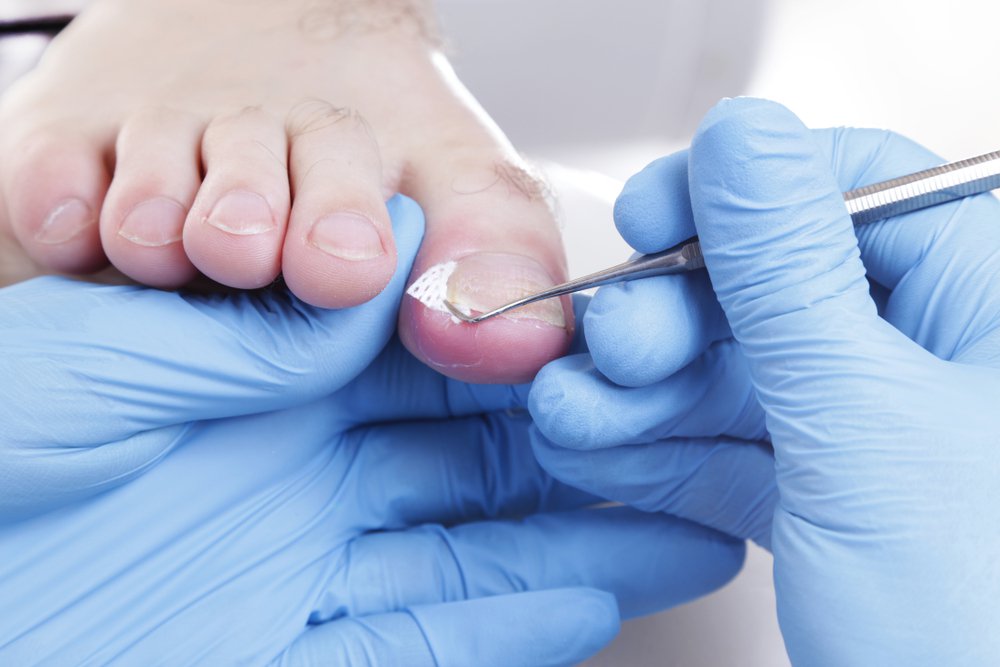
An ingrown toenail occurs when the edge of the nail grows into the surrounding skin, which can cause pain, redness, and swelling. This condition commonly affects the big toe; if it is not addressed, it may lead to infection. Treatment approaches range from simple home care to minor surgical procedures. Understanding these options helps individuals manage the condition effectively. Several treatment methods for ingrown toenails are supported by clinical guidance and can lead to relief.
At-Home Care Strategies
For a mildly ingrown toenail without signs of infection, home care can be effective. Soaking the affected foot in warm, soapy water for 10 to 20 minutes several times a day can reduce swelling and tenderness. After soaking, placing a small piece of cotton or waxed dental floss under the ingrown edge helps the nail grow above the skin, provided the material is replaced daily. Applying petroleum jelly to the tender area and covering the toe with a bandage can protect the skin. Home cutting or attempting to remove the nail is not recommended because these actions can worsen the condition. Regular monitoring is important; if symptoms persist or worsen, professional care should be sought.
Non-Surgical Clinical Options
When home care does not resolve the problem, a healthcare provider can offer non-surgical treatments. The provider may carefully lift the nail edge and place a splint, cotton, or dental floss underneath to separate the nail from the skin. In some cases, the provider may trim a portion of the nail without fully removing it, which can relieve pressure and encourage proper growth. Numbing the toe before inserting a small splint under the nail can also help; the device remains in place until the nail grows past the skin edge, providing pain relief during healing. These interventions allow the nail to grow correctly while minimizing discomfort and avoiding invasive procedures. Many options exist, and talking to a specialist helps determine the best option.
Surgical Interventions
For more severe cases with significant pain, inflammation, or signs of infection, a minor surgical procedure may be necessary. Following the procedure, the nail typically takes two to four months to grow back; individuals can often resume normal activity within a few days. If the condition recurs on the same toe, partial removal of the nail and the underlying tissue may be recommended to prevent regrowth in that area. This procedure can be completed using a chemical or other clinical methods. Postoperative care, including keeping the area clean and monitoring for infection, is essential to ensure proper healing.
Get Help for Your Ingrown Toenail
Managing an ingrown toenail involves a range of treatments tailored to the severity of the condition. Home care methods focus on reducing discomfort and promoting proper nail growth, while non-surgical clinical options offer professional assistance without major intervention. Surgical interventions provide a definitive solution for persistent or severe cases, correcting the problem and preventing recurrence. Understanding these treatment options enables individuals to address ingrown toenails safely and effectively, improving outcomes and minimizing complications. Get help for your ingrown toenail by finding a specialist in your area.

Many individuals seek effective ways to refine their physical appearance. [...]

Orthodontics for children can help address issues like underbites, overcrowding, [...]

Choosing the right orthopedic clinic is a fundamental step for [...]

Sciatica refers to pain that radiates along the path of [...]

Recovering after a stroke often requires time, structured rehabilitation, and [...]
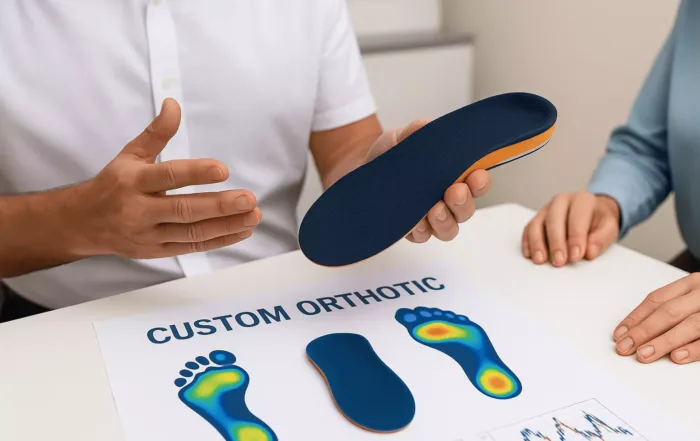
Orthotics act as specialized inserts, and you place them inside [...]

Lactation consultants help families before and after birth. They answer [...]

Family medicine provides comprehensive healthcare for individuals and families across [...]