
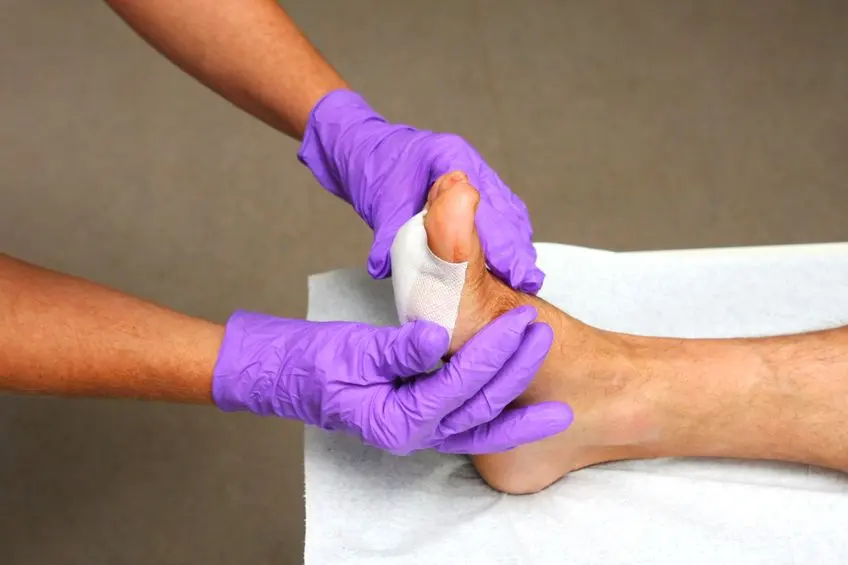
Diabetes is a chronic condition that affects how your body turns food into energy. It occurs when your body either doesn’t produce enough insulin or can’t effectively use the insulin it produces, leading to elevated blood glucose levels. For diabetic individuals, even minor cuts or sores can become serious health concerns, as high blood sugar levels impact bodily functions over time. Here is information on diabetic wound care and how this condition affects healing:
What Diabetic Wound Care Is
Diabetic wound care is a comprehensive approach to managing wounds, which begins with a thorough assessment. Treatment plans often include steps like cleaning the wound, removing any unhealthy tissue, and applying appropriate dressings to promote healing. Wound care plans involve managing blood sugar levels and addressing any circulation issues to support the body’s natural healing mechanisms. Diabetic wound care focuses on accelerating healing and reducing the risk of infection, as even small wounds can cause issues when managing neuropathy.
How Diabetes Impacts Blood Flow
Elevated blood glucose levels affect the circulatory system, leading to poor blood flow over time. Proper circulation is fundamental to wound healing because it delivers oxygen, nutrients, and key immune cells to an injury site. The body’s ability to repair itself slows when blood flow is impaired, and this delay can increase the risk of infection and other complications.
What Is Neuropathy?
Diabetes may lead to nerve damage or diabetes-related neuropathy. This damage often affects the nerves in the feet and legs, causing a loss of sensation. A person with neuropathy may not feel a cut, blister, or sore on their foot. Without the usual pain signal, an injury can go unnoticed and untreated, allowing it to worsen over time.
Why Is Wound Care Valuable?
Poor circulation and neuropathy management can be challenging, but specialized wound care is incredibly valuable. Diabetic care plans focus on preventing wounds, managing existing ones, and addressing underlying factors that impede healing. Timely and appropriate care can prevent minor injuries from developing into serious infections or ulcers that could lead to severe complications. This proactive approach helps protect overall health, which is why some diabetics may need regular follow-up visits with a specialist.
How To Manage Foot Ulcers
Foot ulcers are a common but serious complication for people with diabetes, as neuropathy requires a multifaceted management strategy. Common management techniques include offloading pressure with braces or custom orthotics. Offloading relieves pressure on the ulcer to allow it to heal, using devices like:
- Special Footwear
- Bandages
- Braces
- Crutches
Regular cleaning of the ulcer and application of medicated dressings are also key steps in many treatment plans. By keeping blood sugar levels under control, these plans support the body’s ability to heal more effectively.
Learn More About Diabetic Wound Care
Understanding the connection between diabetes and wound healing is imperative to maintaining overall health. Many diabetics benefit from specialized wound care, as an expert can provide personalized advice and guidance. If you have diabetes and neuropathy, contact a wound care specialist for a consultation. Wound management requires specialized attention and a knowledgeable healthcare team. Start establishing your team today, and learn how to improve your healing.

Orthotics are specialized medical devices inserted into athletic footwear, and [...]

Herniated discs can cause significant discomfort and limit your daily [...]

Breast cancer is one of the most common cancers affecting [...]
Diabetes is a chronic condition that affects how your body [...]
Skin cancer develops when DNA damage causes mutations, and the [...]
Sciatica causes pain that radiates along the path of the [...]
Weight loss surgery offers patients multiple options to achieve their [...]

Navigating the requirements for transitional housing programs can feel overwhelming [...]