
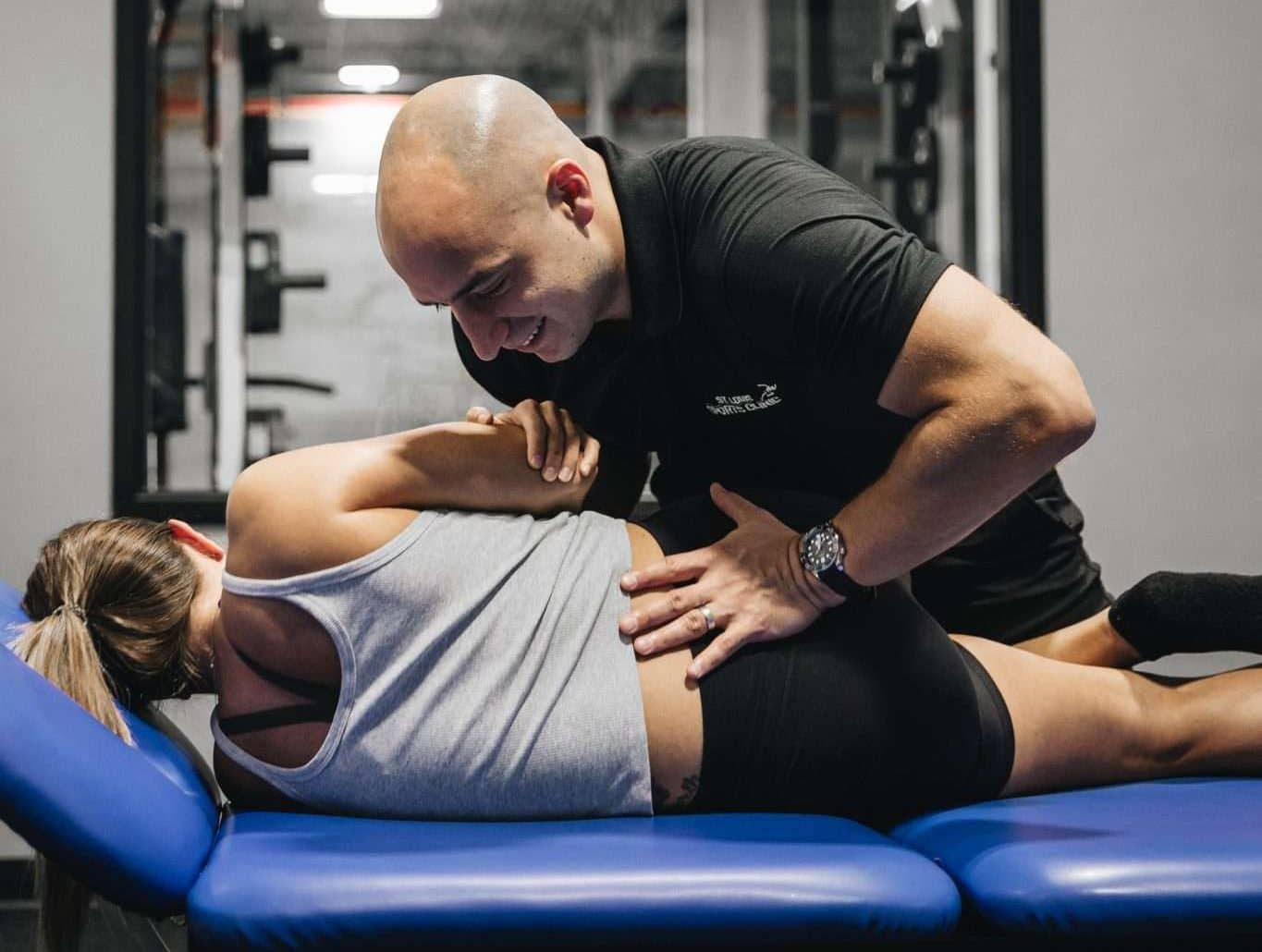
Spinal stenosis happens when the spaces within your spine become narrower. This process places additional pressure on the spinal nerves, which may lead to discomfort. Over time, you may notice symptoms such as back pain, leg numbness, or tingling, as well as weakness during prolonged walking or standing. Here is more information about helpful exercises and lifestyle changes for managing spinal stenosis:
Regular Exercise
Engaging in regular exercise can help manage the symptoms of spinal stenosis. Low-impact physical activities are beneficial, as they create less strain on your spine and joints. Your healthcare provider may recommend specific exercises based on your needs, physical abilities, and comfort level.
Specific routines, such as swimming or riding a stationary bike, offer support to your back while increasing your mobility. These activities may help strengthen muscles that protect your spine, and they can lead to better balance and flexibility. Setting a consistent schedule for activity enables you to incorporate movement into your daily life without feeling overwhelmed.
You may benefit from consulting a physical therapist who specializes in treating spinal conditions. The therapist could design a plan that teaches you safe techniques and helps reduce your risk of injury. Following this guidance, you would likely perform gentle stretches and strengthening moves that support your back health.
Healthy Diet
Nutritious eating habits play a key role in maintaining overall health, including spinal health. Consuming a wide range of nutrient-dense foods increases your body’s ability to maintain strong bones and muscles over time. Meals that center around fruits, vegetables, lean proteins, and whole grains may be particularly supportive.
Certain foods may have anti-inflammatory effects, which some people find helpful for symptoms of spinal stenosis. Try including salmon, walnuts, or flaxseeds, as these contain omega-3 fatty acids. These ingredients can easily be incorporated into most meal plans, and you may notice subtle differences in how you feel.
Ideal Body Weight
A healthy weight helps reduce the extra load placed on your spine and joints. Your primary care provider is the best person to suggest a safe weight goal, given your build and health history. Carrying extra weight can create more stress on your vertebrae and spinal discs, and gradual changes are often most manageable.
Controlled Pain
Simple adjustments to daily life may help you cope with discomfort regularly. For some, using supportive ergonomic chairs or adaptive cushions can make sitting more comfortable, and taking periodic breaks during the day to stretch can be beneficial. Paying close attention to your posture, whether you’re sitting, walking, or standing, may lead to less strain.
Modifying your environment doesn’t need to be complicated, and you could start with a few changes:
- Using supportive pillows
- Adjusting workstation height
- Wearing comfortable shoes
These simple steps may be paired with professional advice if you have ongoing pain. A healthcare provider might also discuss medications or refer you for specialized care if necessary.
Get Treated for Spinal Stenosis
While lifestyle changes offer support in managing the symptoms of spinal stenosis, you might also need medical intervention at some point. A clinician can provide a clear diagnosis and outline appropriate next steps. Contact a pain specialist today to speak directly with a professional and take the next step toward improved management.
Weight loss is often a complex process that involves more [...]
Menopause marks the permanent end of menstrual periods and fertility, [...]

Mental healthcare services focus on improving emotional and psychological well-being. [...]
Geriatric healthcare focuses on promoting and managing the health of [...]
A retinal detachment diagnosis can be concerning. If this has [...]
Musculoskeletal chest pain refers to discomfort originating in the muscles, [...]

Prenatal care is the ongoing medical support provided during pregnancy [...]

An oral surgeon, or a maxillofacial surgeon, is a dental [...]

