

Substance abuse disorders remain a major concern, impacting individuals, families, and communities. This condition involves persistent use of substances despite clear negative consequences, which affects both brain function and behavior. Identifying the signs and seeking help can play a pivotal role in the process of recovery. Various approaches are available, focused on helping individuals manage the disorder and restore well-being.
What Is Substance Abuse Disorder?
Substance abuse disorder is recognized as a mental health condition that disrupts a person’s brain and behavior, leading to difficulty controlling the use of legal or illegal drugs, alcohol, or medications. Substance abuse presents in varying degrees, from moderate misuse to more severe forms that may include addiction. Changes in the brain contribute to ongoing cravings and compulsive use. A person may need increasing amounts of a substance over time, which results in withdrawal symptoms if use is reduced or stopped. Substance abuse often appears through noticeable changes such as social withdrawal, diminished interest in once-enjoyed activities, and decreased performance in daily responsibilities.
What Can Cause It?
Substance abuse arises from a complex interplay of environmental and developmental factors. Environmental factors include influences from family, peers, socioeconomic status, and community. Trauma, exposure to substance use, and limited support networks can affect risk levels. Early access to substances or environments where drug use is normalized increases vulnerability. Developmental stage at first exposure is a key factor, as the earlier someone begins using substances, the greater their risk of developing substance abuse. The adolescent brain, still maturing in areas linked to decision-making and impulse control, is especially at risk.
How Is It Treated?
Treatment for substance abuse and its manifestations focuses on the individual’s broader needs and may involve several coordinated interventions. Recovery often requires sustained engagement with different forms of support. Behavioral therapies are routinely used and have demonstrated their value in helping individuals recognize triggers, develop coping mechanisms, and modify behavior associated with substance use. Primary approaches include psychotherapy, which guides individuals to identify risky thoughts and behaviors and build healthier coping strategies. Reinforcing abstinence and engagement throughout treatment can improve the outcomes of treatment.
Medication may support recovery for certain types of substance abuse disorders, and is often used in combination with counseling. Medication can ease withdrawal symptoms, reduce cravings, and help stabilize the brain’s chemistry. The role of medication varies, depending on the substance and the presence of co-existing conditions.
Many individuals have additional psychiatric diagnoses, such as anxiety or depression. Addressing these together may improve outcomes. Comprehensive care plans that treat both substance use and mental health concerns tend to be more effective for long-term recovery.
Seek Psychiatric Care and Services
Accessing psychiatric care can provide individuals and families with expert assessment and tailored guidance. Mental health professionals are trained to recognize both the symptoms of substance abuse and any underlying issues, offering support based on evidence-informed practices. Treatment facilities and mental health clinics offer various forms of support. Many services provide education, assessment, therapy, and ongoing management, which can help individuals and families navigate the complexities of substance abuse.

Substance abuse disorders remain a major concern, impacting individuals, families, [...]
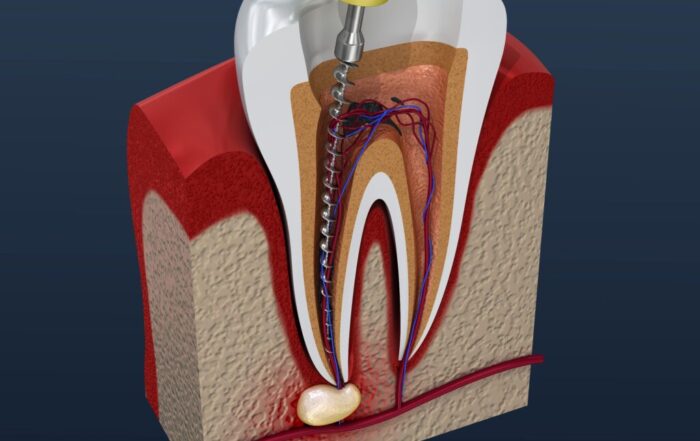
General dentists manage a wide spectrum of oral health needs [...]

Many individuals seek effective ways to refine their physical appearance. [...]

Orthodontics for children can help address issues like underbites, overcrowding, [...]

Choosing the right orthopedic clinic is a fundamental step for [...]

Sciatica refers to pain that radiates along the path of [...]

Recovering after a stroke often requires time, structured rehabilitation, and [...]

Orthotics act as specialized inserts, and you place them inside [...]